
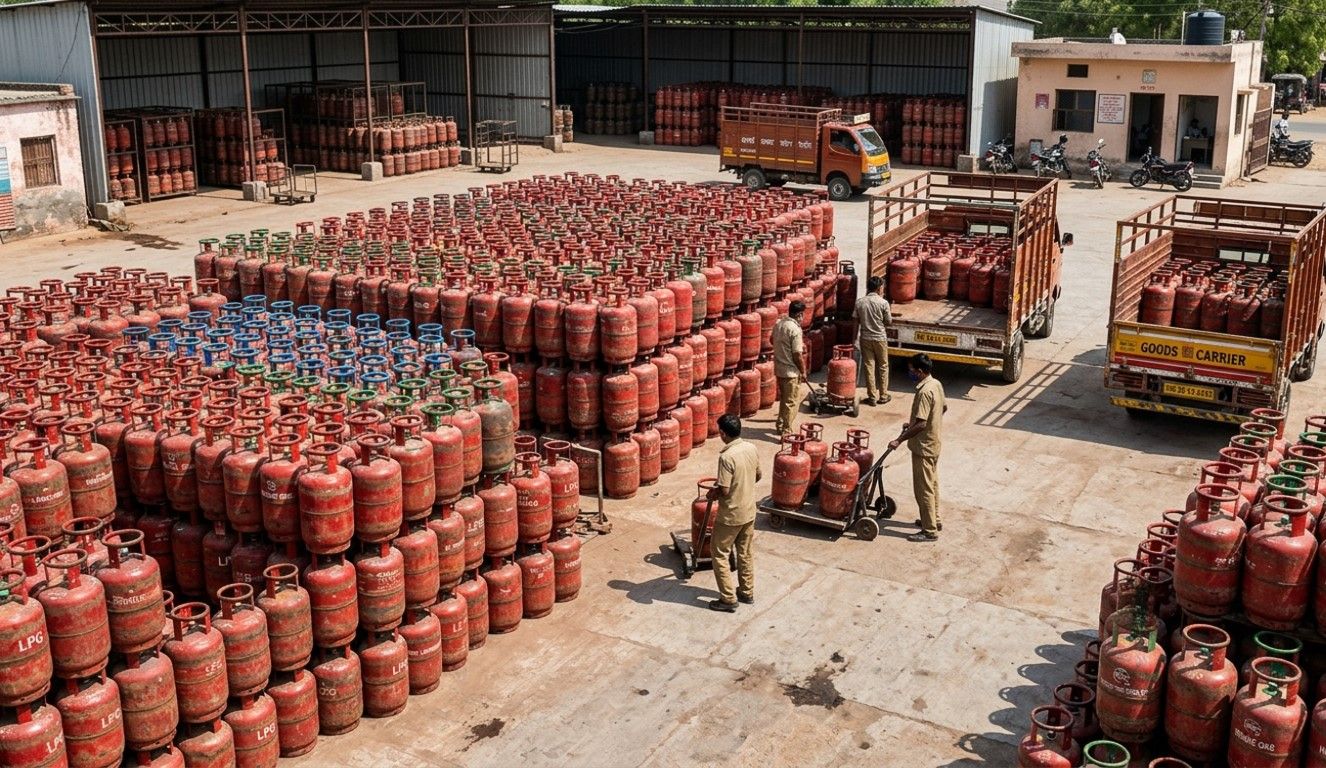

New Delhi: Fears that the ongoing war between Iran and the US-Israel alliance could disrupt energy supplies through the Strait of Hormuz are beginning to reflect in India’s domestic fuel market. A nationwide survey found that 57% of Indian households reported delays in receiving LPG cylinders or instances of black marketing over the past week.
The findings come amid rising global concern that escalating tensions in West Asia could affect shipping routes critical to energy supplies. India relies heavily on LPG imports, with nearly 80-85% of its domestic requirement sourced from overseas, largely from Gulf countries. Any disruption in shipping through the Strait of Hormuz — one of the world’s most important energy transit corridors — could delay shipments to import-dependent countries such as India.
The survey by civic engagement platform LocalCircles gathered more than 57,000 responses from household consumers across 309 districts.
About 29% of respondents said LPG dealers informed them cylinders were unavailable or bookings were being delayed. Another 7% reported deliveries taking longer than usual, while 7% said they had to repeatedly follow up with dealers. Meanwhile, 14% said they purchased LPG cylinders from the black market at higher prices.
The survey also examined whether LPG distributors had warned consumers about possible supply problems. According to the results, 53% of households said their dealers had cautioned them about potential delays during the past week.
Among responses, 43% said dealers had not mentioned any issue related to supply. However, 32% said distributors indicated deliveries might be delayed, while 21% said dealers confirmed an LPG shortage already existed. Around 4% did not provide a clear response.
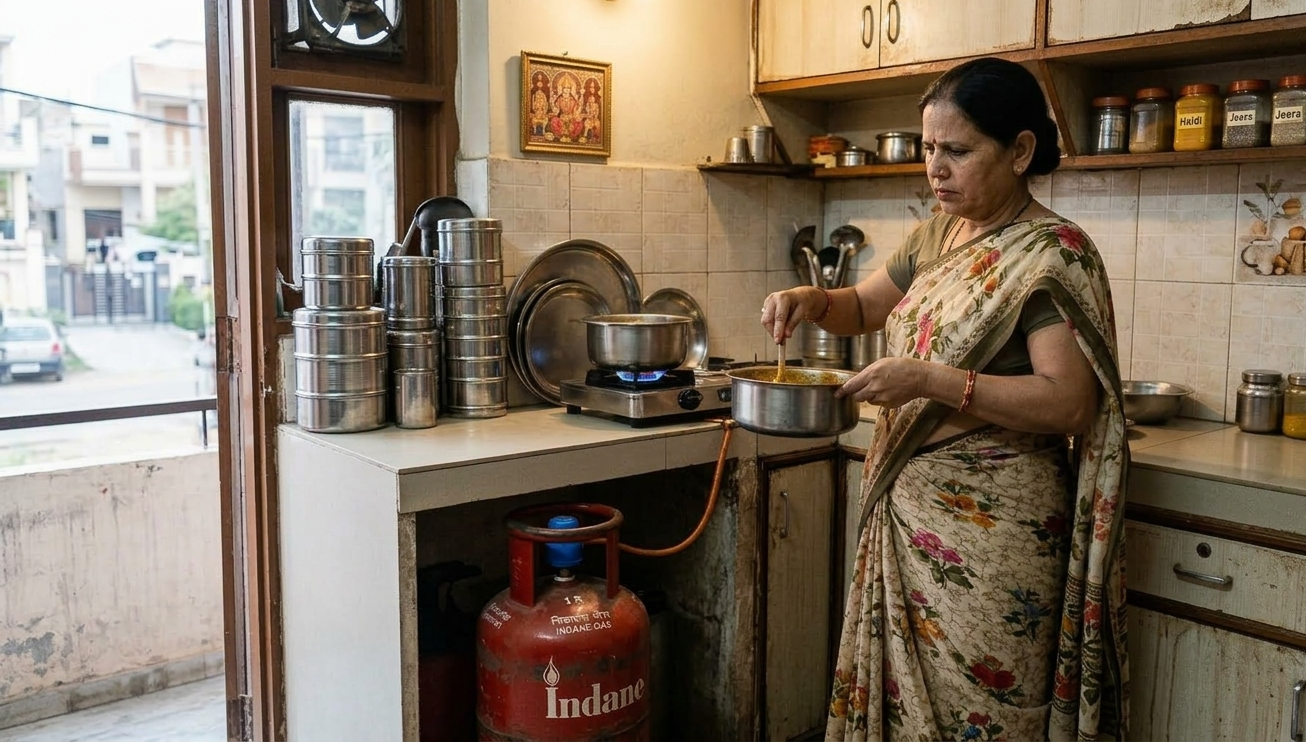
The survey also highlighted alleged black marketing of LPG cylinders in several regions. Among households reporting such practices, 36% said suppliers or middlemen charged additional amounts ranging from ₹100 to ₹500 per cylinder.
In terms of extra charges, 8% said they paid up to ₹100 above the official price. Around 11% reported paying between ₹100 and ₹300 extra, while 8% said they paid between ₹300 and ₹500 more. Another 9% reported paying more than ₹500 extra for a single cylinder.
However, 39% of respondents said there was no black market purchase in their household or neighbourhood, while 25% did not provide a clear answer.
Some consumers in the Delhi-NCR region reportedly paid between ₹1,500 and ₹2,800 per cylinder in certain instances, according to the survey findings.
India’s heavy dependence on imported LPG has made the domestic supply chain particularly sensitive to global geopolitical developments. A large portion of the country’s LPG imports comes from Gulf countries such as Saudi Arabia, the United Arab Emirates and Qatar.
The Strait of Hormuz, located between Iran and Oman, is a narrow but strategically vital maritime corridor through which a large share of the world’s oil and LPG shipments pass. Any disruption to shipping movements in the region could delay deliveries and increase transportation costs.
Concerns about possible supply disruptions have also triggered panic booking and long queues at LPG distribution agencies in some parts of the country as households attempt to secure additional cylinders.
In response, the government has urged consumers not to engage in panic buying. Officials from the Ministry of Petroleum and Natural Gas said India’s fuel supply situation remains stable.
At an inter-ministerial media briefing, Joint Secretary (Marketing and Oil Refinery) Sujata Sharma said the country currently has a crude oil refining capacity of 258 million metric tonnes and domestic refineries are operating at full capacity.
According to the government, this capacity has enabled India to become self-sufficient in petrol and diesel production, reducing import dependence on these fuels. However, LPG remains heavily import-dependent.
India currently has more than 310 million LPG connections, with domestic households accounting for nearly 60% of total LPG consumption.
Amid emerging supply concerns, the government has taken interim measures. It increased the minimum gap between LPG refill bookings from 21 days to 25 days to discourage hoarding and panic purchases. Authorities have also announced the release of 40,000 kilolitres of kerosene for cooking in areas facing shortages.
LocalCircles said the survey findings will be shared with government authorities and relevant stakeholders to address alleged hoarding and black marketing.