
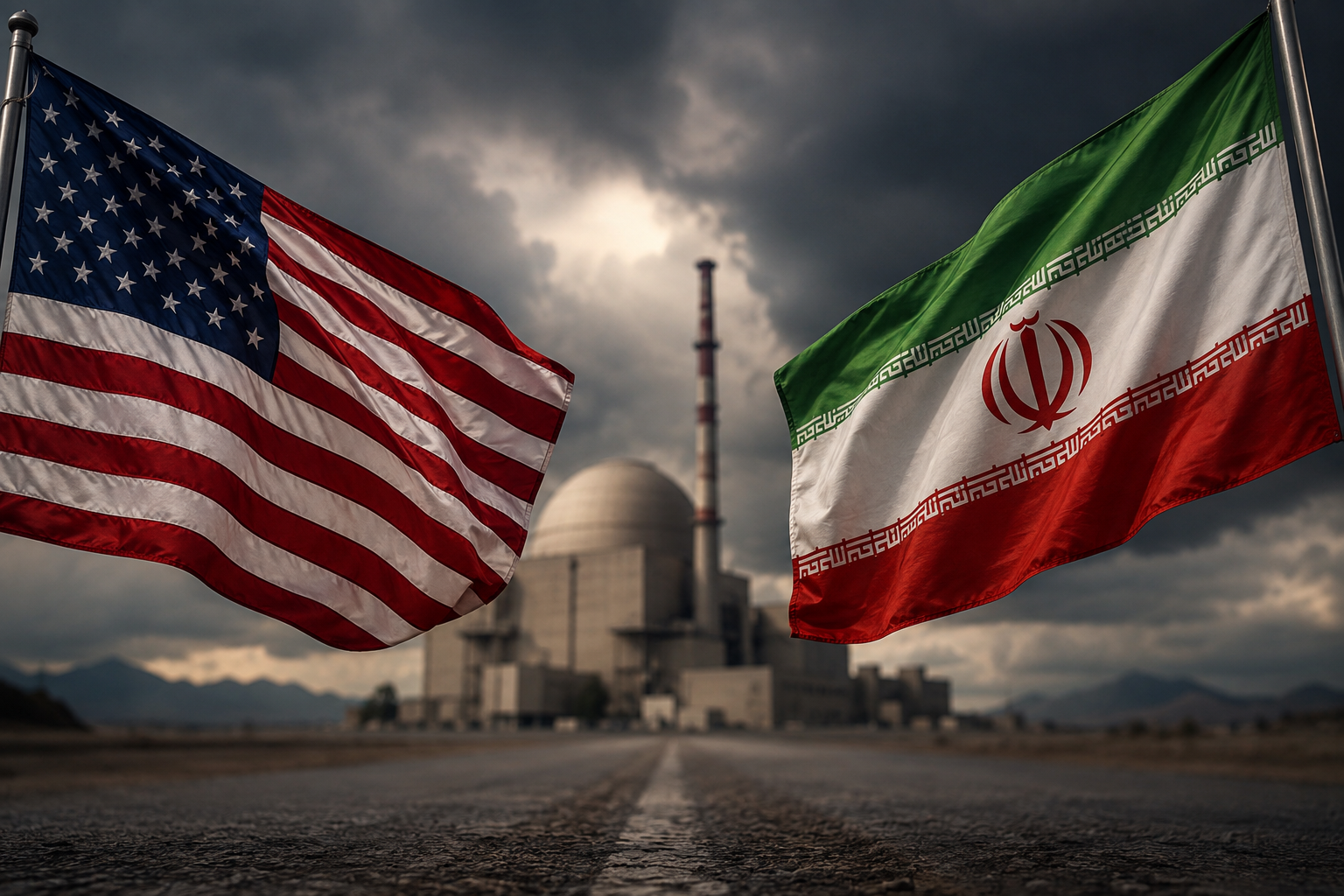

As of 4 August 2026, the diplomatic standoff between Washington and Tehran has reached a volatile tipping point. Following months of intermittent hostilities and paused military actions, the United States has issued its most severe ultimatum to date. President Donald Trump has characterized the current round of nuclear negotiations as Iran’s "last chance" to secure a diplomatic resolution before the U.S. shifts toward a more aggressive military posture.
The "Last Chance" Ultimatum
In a series of statements reported late yesterday and early today, the U.S. administration has significantly escalated its rhetoric. According to reports, President Trump warned Iran of "decapitation", a term suggesting targeted strikes against leadership or command structures, unless a comprehensive nuclear deal is finalized immediately.
This warning comes as talks continue in an effort to curb Tehran's nuclear ambitions. The U.S. president explicitly stated that these new talks represent the final opportunity for the Iranian government to reach an agreement. This follows a period where the administration had previously signaled that the "clock is ticking" for Iran as peace progress stalled earlier this summer.
Strategic Conditions and the Strait of Hormuz
Beyond the immediate nuclear concerns, the U.S. has tied the cessation of military pressure to specific regional security metrics. As reported on 2 August 2026, President Trump indicated that the U.S. would hold off on any fresh attacks against Iran only if a deal could be reached "quickly."
According to reports, the primary objectives for the U.S. in these negotiations are two-fold:
- A total halt to Iran’s nuclear ambitions.
- The reopening of the Strait of Hormuz, a critical global energy chokepoint.
Domestic pressure in the U.S. remains high. Sen. Joni Ernst has also emphasized that any final agreement must strictly block the development of nuclear weapons, as talks were set to continue in Switzerland.
A History of Paused Hostilities
The current tension is the culmination of a months-long cycle of brinkmanship. In May 2026, President Trump paused a planned attack on Iran to allow for negotiations aimed at ending the broader US-Israeli war context, a move that followed a new peace proposal sent from Tehran to Washington.
However, the reprieve appears to have been temporary. By late May, the U.S. warned it remained capable of resuming war as a final deal remained elusive. The administration's current stance suggests that the window for such diplomatic maneuvers is closing. While the U.S. has shown a willingness to pause kinetic action to facilitate dialogue, the "decapitation" warning issued on 3 August indicates that the patience of the White House has reached its limit.
With negotiations ongoing today, the international community remains on edge. The transition from "paused attacks" to "last chance" ultimatums suggests that the coming days will determine whether the region moves toward a landmark accord or a significant escalation of conflict.