
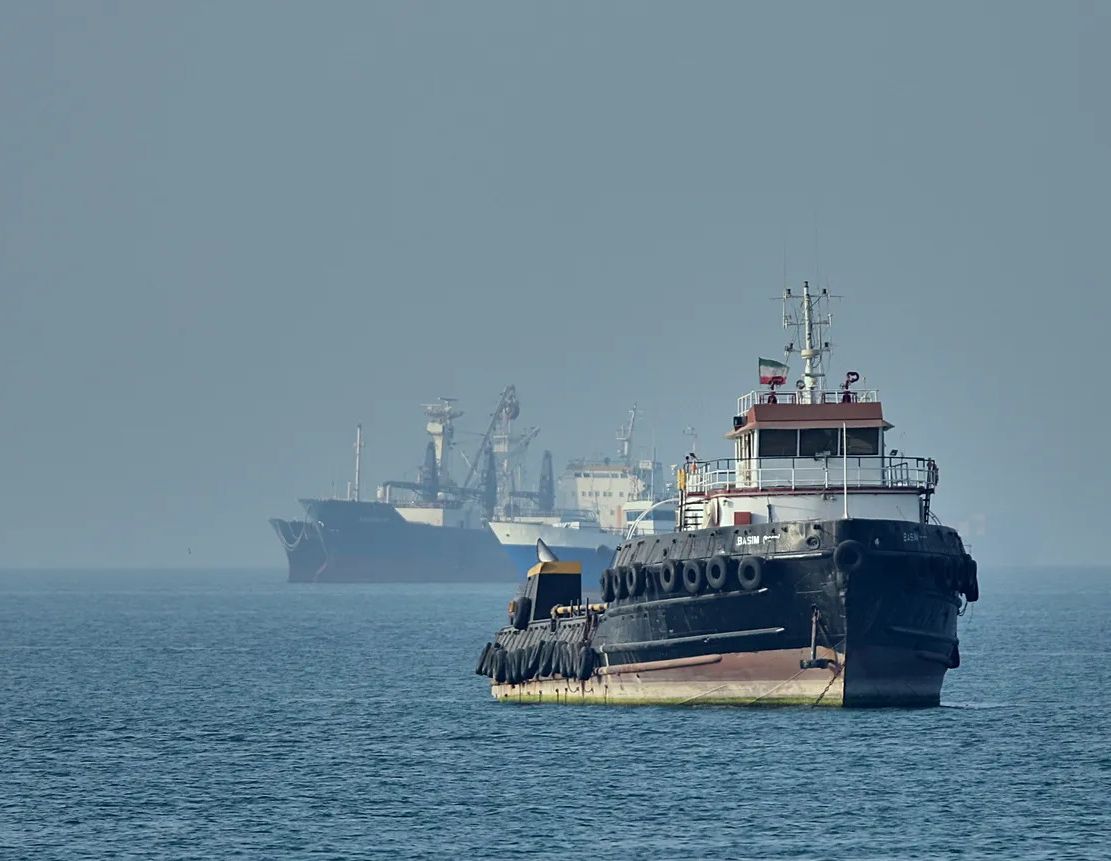

As of August 8, 2026, diplomatic efforts to stabilize maritime traffic in the Middle East have hit a significant roadblock. Tehran is reportedly demanding a provision that would effectively bar United States and Israeli vessels from the Strait of Hormuz. This development comes as part of ongoing negotiations aimed at restoring commercial shipping in one of the world’s most critical maritime chokepoints.
The Oman-Mediated Framework
According to reports On Saturday, Iran is seeking a formal ban on both U.S. and Israeli shipping vessels as a core component of a new deal being brokered with the Sultanate of Oman. The Strait of Hormuz, which sits between Iran and Oman, serves as the primary artery for global oil shipments, and any restriction on specific national flags represents a major shift in the regional security architecture.
Details on the specific legal mechanisms Iran intends to use to enforce such a ban have not been reported yet. However, the involvement of Oman as a mediator suggests that the proposal is part of a broader "peace accord" or shipping agreement intended to de-escalate tensions that have plagued the waterway.
Targeting Naval Presence
Parallel to the restrictions on commercial shipping, Tehran is also focused on limiting foreign military activity. Iran is specifically seeking to bar U.S. warships from entering or transiting the Strait of Hormuz.
This demand appears to be a strategic move to diminish the long-standing U.S. naval presence in the Persian Gulf. By linking the safety of general commercial shipping to the exclusion of U.S. and Israeli assets, Tehran is attempting to redefine the rules of passage in the strait. Details regarding the U.S. response to these specific demands in the negotiating room have not been reported yet.
Escalation and Diplomatic Hurdles
The push for these restrictions indicates that while a "Hormuz deal" may be advancing, the terms remain highly contentious. The inclusion of Israel in the proposed ban highlights the expanding scope of the conflict, moving from a bilateral standoff between Washington and Tehran to a broader regional exclusion policy.
As the deal with Oman moves forward, the international community is closely monitoring whether these demands will be integrated into a final peace accord. For now, the insistence on barring specific nations from an international waterway sets a challenging precedent for maritime law and global trade security.