
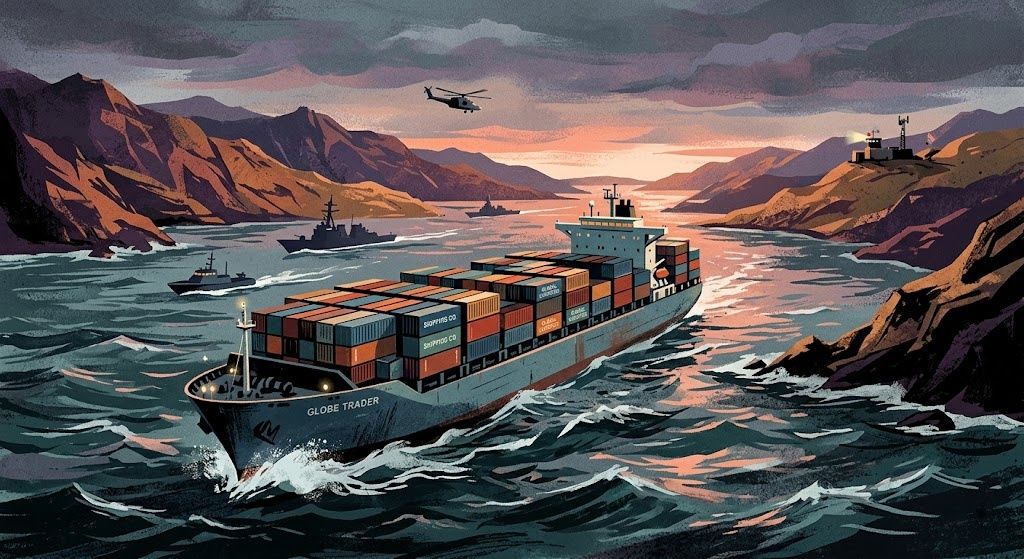

The geopolitical standoff surrounding the critical Strait of Hormuz has intensified significantly. Donald Trump has issued a direct demand requiring Iran to compensate victims for deaths and destruction linked to its conflicts. This hardline stance arrives amidst an escalating crisis in the region, pushing potential diplomatic resolutions further out of reach and leaving the reopening of the strategic maritime corridor mired in uncertainty.
Demands for Compensation and Escalating Stakes
The political friction between Washington and Tehran reached a new peak as Trump asserted U.S. control over the Strait of Hormuz. By demanding financial reparations and compensation for casualties, the stakes of the ongoing dispute have been drastically heightened. Analysts note that these counter-demands complicate existing diplomatic channels, throwing cold water on hopes for an immediate breakthrough or a negotiated Hormuz deal.
The Iranian Position on the Waterway
Tehran’s stance remains defiant in the face of mounting international pressure. According to reports, Iran has maintained that the Strait of Hormuz will not open until the United States "corrects" its behavior. This condition underscores a deep-seated diplomatic chasm, while international intermediaries, such as Oman, which previously characterized ongoing talks as positive, strive to broker a way forward, Tehran insists that a deal alone will not automatically result in the reopening of the vital shipping lane.
Regional Diplomacy and Uncertain Outlook
The broader international community watches anxiously as the standoff persists without a clear resolution. While diplomatic maneuvers continue behind the scenes, the combination of U.S. demands for victim compensation and Iran's preconditions regarding American behavior has created a diplomatic stalemate. With the timeline for reopening the strategic waterway remaining entirely uncertain, global markets and regional observers face prolonged instability in one of the world's most critical energy transit choke points.