
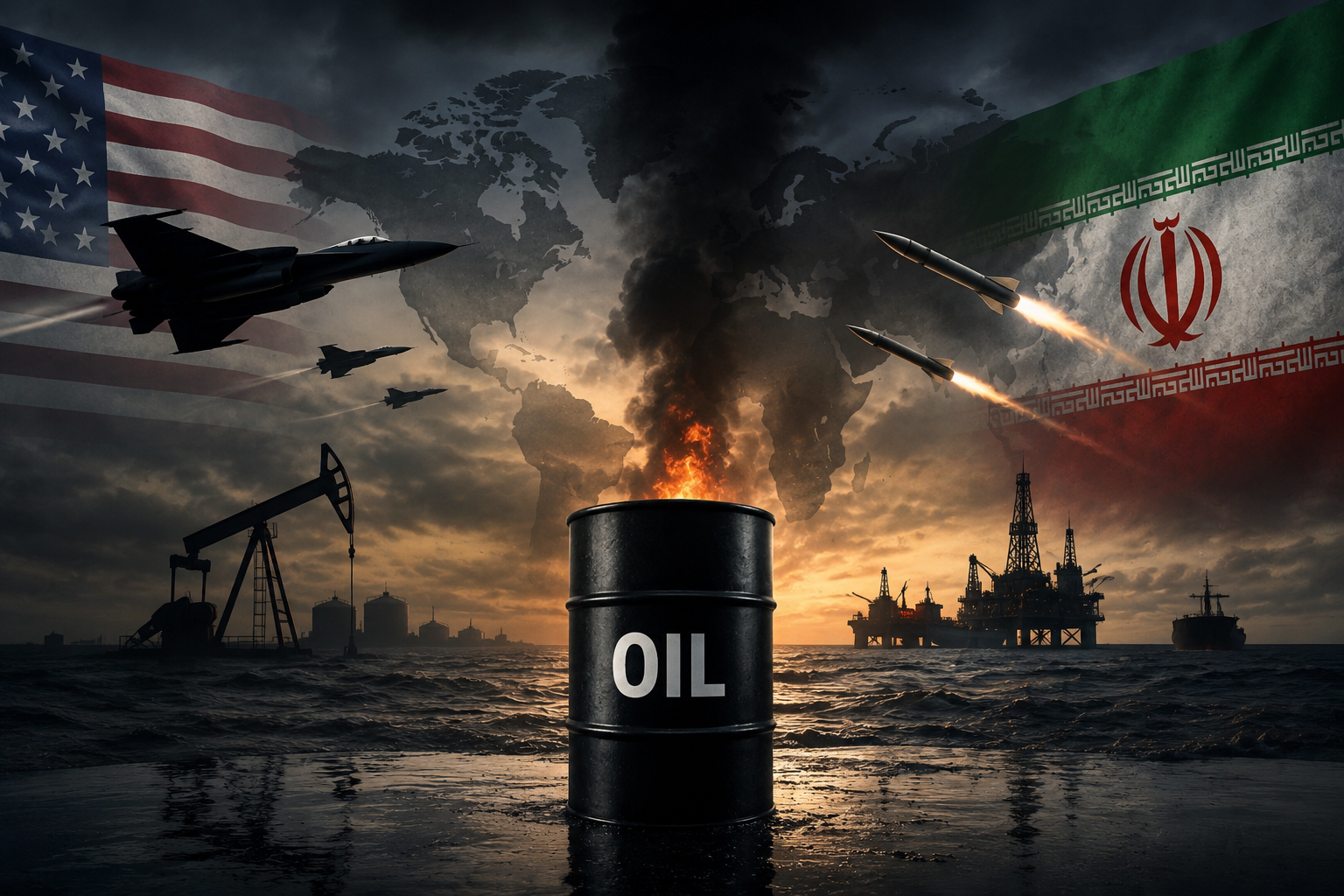

Today, 13 July 2026, the geopolitical landscape in the Middle East has shifted into a more dangerous phase as the ongoing conflict between the United States and Iran reaches a critical escalation point. What began as a series of localized tensions has now broadened into a regional crisis, involving multiple Gulf nations and threatening the stability of global energy markets. With the potential closure of the Strait of Hormuz and reports of expanding missile strikes, the international community is bracing for significant disruptions to maritime shipping and aviation security.
Widening Regional Conflict and Maritime Threats
The conflict has moved beyond a bilateral standoff. Iran has escalated its activities to include confrontations with Kuwait, Qatar, Bahrain, and Oman. This expansion is marked by intensifying missile strikes across the Gulf region, raising the immediate specter of a full-scale blockade of the Strait of Hormuz.
The maritime implications are severe. As one of the world's most vital transit points for petroleum, any disruption to the Strait of Hormuz sends shockwaves through the global economy. Current reports indicate that maritime shipping disruptions are already heightening risks for global commerce. This follows earlier warnings about potential blockades, which have now transitioned from threats to active security concerns that jeopardize the free flow of goods through these international waters.
Energy Markets React as Oil Prices Surge
Financial markets are reflecting the gravity of the military situation. The WTI crude oil price forecast has turned sharply bullish, with an immediate rally targeting the $80 per barrel mark. This price surge is a direct response to the intensification of the US-Iran conflict, which traders fear will lead to a prolonged supply crunch.
"Oil prices climb as renewed US-Iran tensions raise supply concerns," highlighting a trend that has been building over the recent months.
The impact is not limited to crude oil, gas prices have also jumped while global shares have seen a decline as investors flee to safer assets. The threat to global oil supply chains is no longer a theoretical risk but a present reality that is disrupting global supply and demand balances
Aviation and International Security Implications
The escalation has triggered a cascade of security warnings affecting international travel and diplomacy. The Thai Embassy has issued a travel warning, reflecting the growing danger for foreign nationals in the region. Airspace security concerns are now a primary focus for global aviation authorities, as the expansion of missile strikes makes commercial flight paths through the Gulf increasingly hazardous.
Furthermore, the conflict continues to be influenced by broader regional alliances. The evolving US-Israel-Iran dynamic has long been viewed as a key factor driving the current escalation in regional tensions. As of today, the combination of regional missile strikes and the threat of a maritime blockade has created a high-stakes environment for global tourism and international diplomacy, with no immediate signs of de-escalation.