
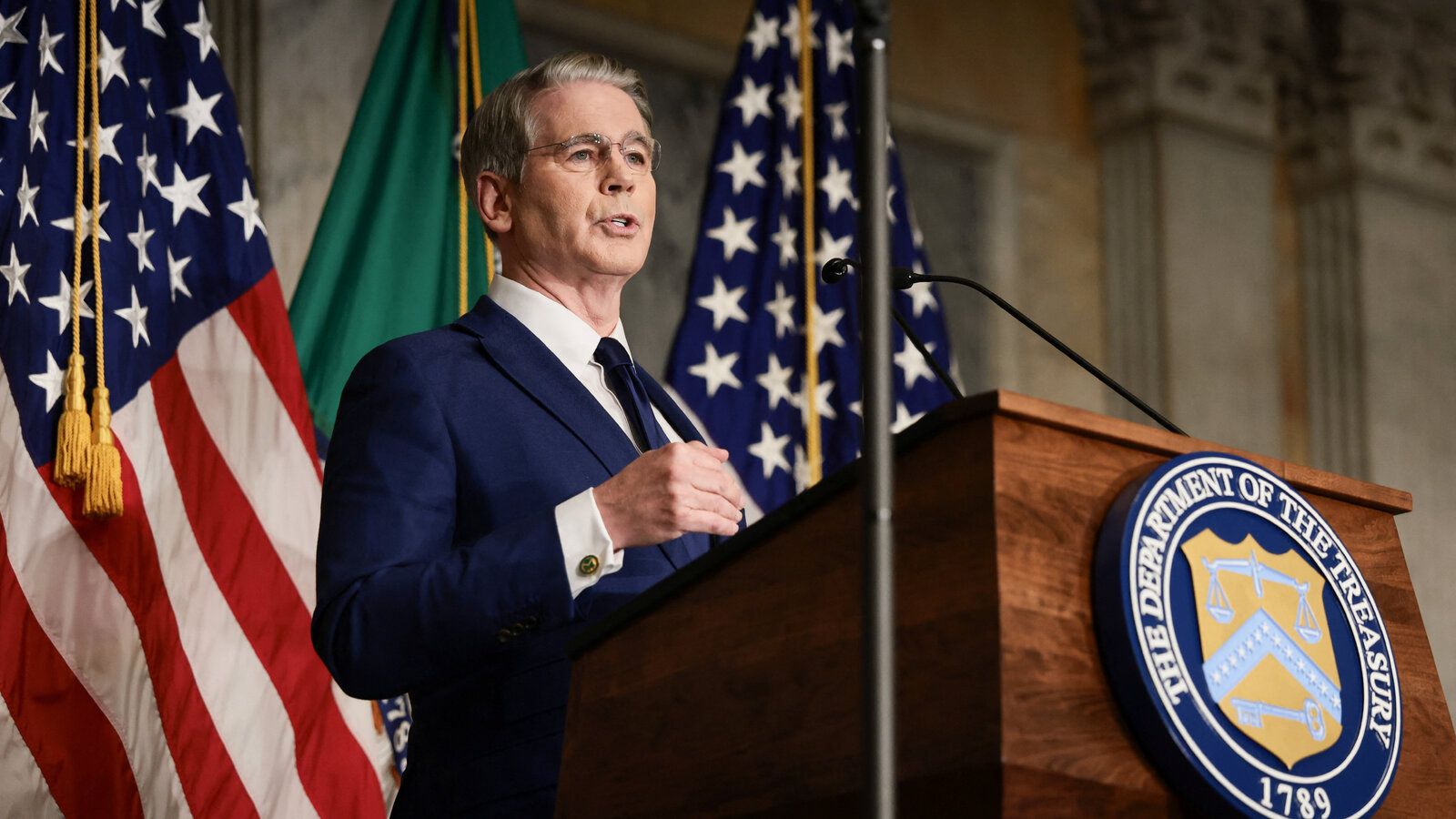

Geopolitical tensions in the Middle East have entered a volatile new phase as Washington unleashes a wave of sweeping economic measures against Tehran. As per reports, Treasury Secretary Scott Bessent unveiled a rigorous new sanctions regime targeting Iran, though administration moves indicate that the administration is concurrently delaying what it considers its toughest blow.
The aggressive economic offensive has sent immediate shockwaves through international financial and commodity markets. The US dollar rallied strongly following the announcement of the new sanctions framework. Simultaneously, The Iranian rial has plunged drastically as the economic pressure mounts. The rollout has also drawn extraordinary admissions regarding its broader economic fallout, Secretary Bessent acknowledged that the expansive sanctions regime carries risks potent enough to potentially "blow up" the global economy.
Global Reactions and Strategic Warnings
The international community has responded with deep concern over the escalating confrontation. Beijing weighed in on the crisis, China cautioned Washington that intensifying pressure on Iran will only serve to deepen regional tensions rather than resolve them.
Meanwhile, Tehran has fiercely rebuked the maneuver. Iranian officials have warned that the new U.S. sanctions will not bring peace, raising urgent questions over whether Tehran will ultimately bend or choose to further escalate the unfolding economic war.
Market Vulnerabilities and Economic Warfare
The combination of record U.S. sanctions and a plummeting Iranian rial places renewed pressure on global supply chains and energy markets. Observers note that the aggressive posture from Washington risks severe retaliatory cycles, heightening anxieties across international shipping and oil markets as the region absorbs the shock of these latest escalations.