
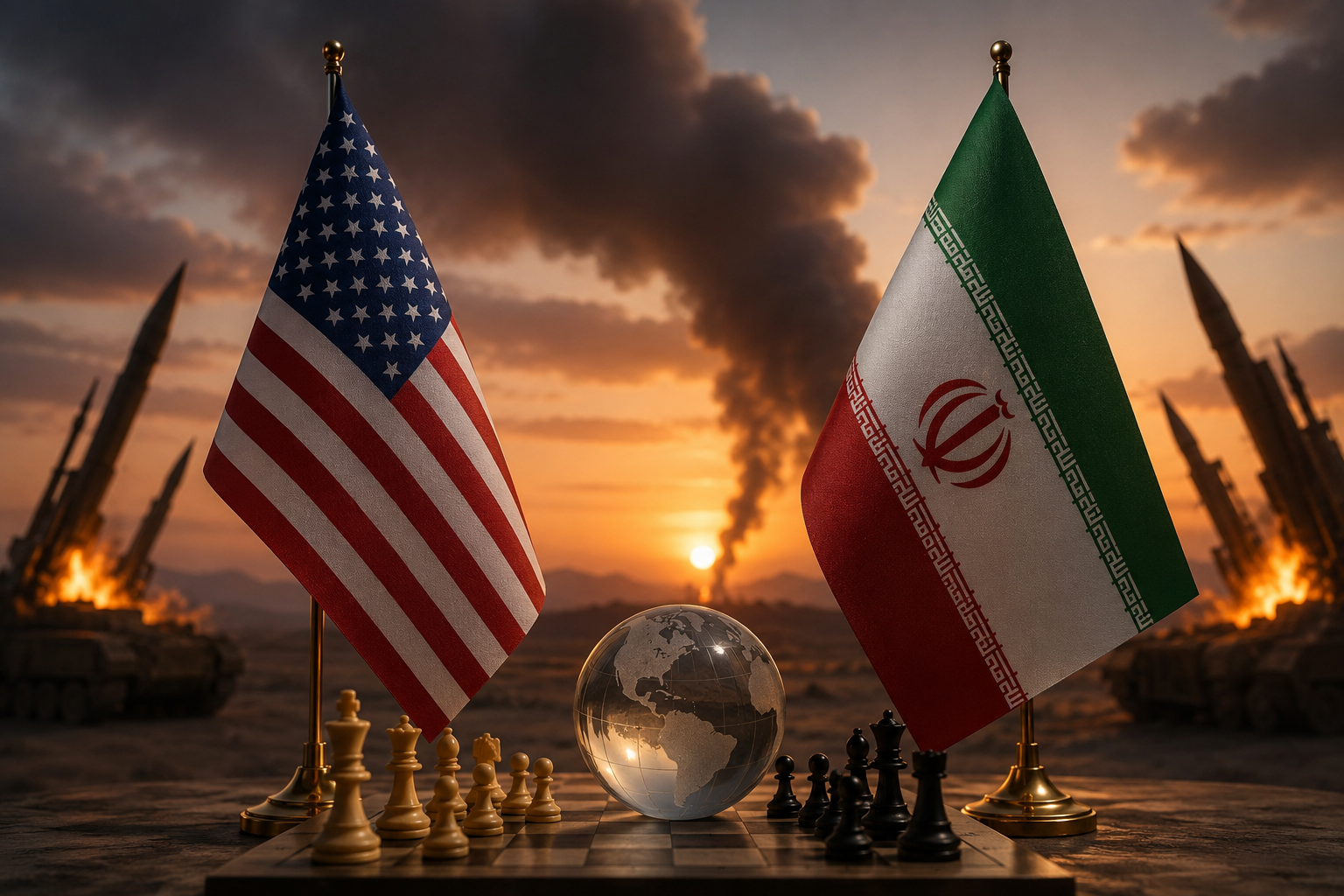

As of July 22, 2026, the geopolitical landscape in the Middle East is defined by a jarring contradiction: the presence of active, large-scale military operations alongside persistent diplomatic overtures. Despite a significant intensification of hostilities, the United States has officially signaled that the door to negotiations with Tehran remains ajar, even as both nations navigate what Iranian officials have characterized as a state of high-intensity conflict.
Military Escalation and the 'Full-Scale War'
The military dimension of this crisis reached a new milestone this week. The United States has launched its 10th round of strikes against targets linked to Iran. This surge in kinetic activity follows a period of mounting tension that has led Tehran to declare that it is now in a "full-scale war."
This escalation is not confined to isolated military installations. The conflict is increasingly threatening the Strait of Hormuz, a critical chokepoint for global oil supplies. The growing risks in this maritime corridor have raised fears of a prolonged disruption to international trade, as the theater of operations expands from targeted strikes to broader strategic confrontation.
The Diplomatic Paradox: Rubio’s Stance
Amidst these military exchanges, the diplomatic channel has not been entirely severed. The U.S. Secretary of State Marco Rubio has stated that Washington remains open to diplomacy with Iran. However, this willingness is tempered by significant skepticism regarding Tehran's intentions. While the Secretary of State signals a willingness to negotiate, he has simultaneously accused the Iranian leadership of failing to seriously pursue diplomatic solutions.
Interestingly, the infrastructure for dialogue remains functional. Both the U.S. and Iran maintain that diplomatic exchanges are continuing through the use of third-party mediators. This suggests that while direct high-level engagement may be stalled, a baseline level of communication persists in an effort to manage the ongoing escalation.
Widening Energy Conflict and Economic Risks
The economic ramifications of the standoff are becoming increasingly visible. The U.S. remains open to crisis negotiations even as the "energy conflict" widens. The intersection of military strikes and energy security has created a volatile environment for global markets.
As of today, July 22, 2026, the situation remains a stalemate of high-stakes brinkmanship. While the U.S. maintains its 10th round of military operations, the official stance from the State Department continues to emphasize that a diplomatic exit ramp exists. Whether Tehran will engage with these overtures, or if the momentum of the "full-scale war" will override the efforts of mediators, remains the central question for regional stability.