
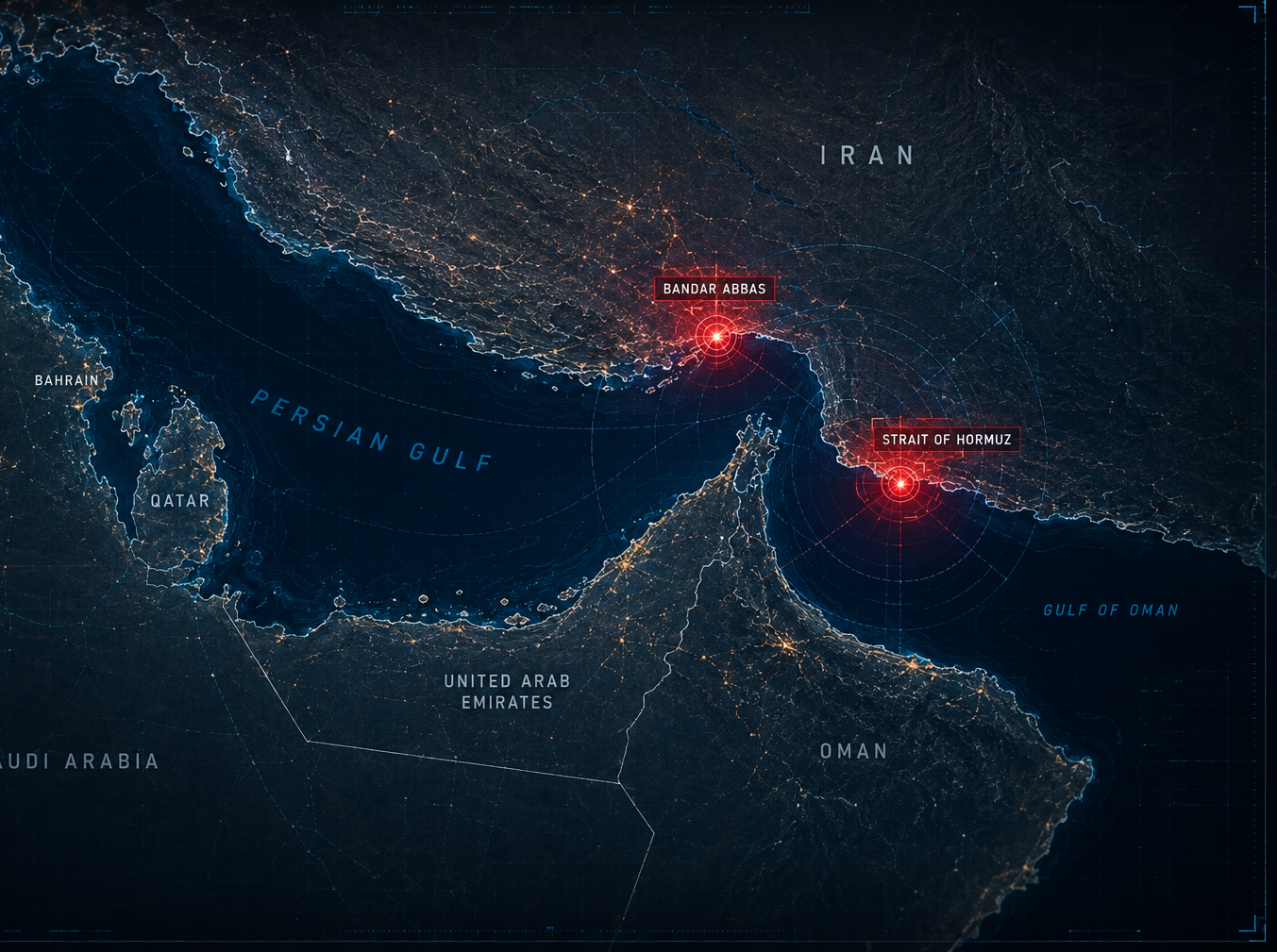

In a significant escalation of regional hostilities, the United States military announced on July 16, 2026, that it has completed a fresh wave of strikes against military targets inside Iran. According to reports from United States Central Command (CENTCOM), the operation focused on high-value locations, including the strategic port city of Bandar Abbas.
The strikes represent a direct expansion of recent kinetic activity in the region. While the full extent of the damage is still being assessed, the completion of this specific wave of operations suggests a calculated effort to degrade Iranian military infrastructure in key coastal and island territories.
Tactical Scope of the Strikes
According to CENTCOM, The operations were specifically directed at "Iranian military targets." Among the confirmed locations hit was Bandar Abbas, a vital hub for Iran’s naval and logistical operations. Additionally, reports from Gulf Business indicate that the United States carried out strikes on Greater Tunb, a disputed island in the Persian Gulf of significant tactical importance.
The US military has characterized these actions as a completed "wave," signaling a pause in this specific sequence of aerial or missile engagements. These actions are part of an ongoing campaign rather than an isolated incident. Details regarding the specific types of military assets destroyed have not been reported yet.
Regional Retaliation and Response
The situation remains volatile as the strikes have already triggered a counter-response. Iran has retaliated against US targets within the region following the strikes on its soil. This tit-for-tat dynamic marks a dangerous shift in the conflict, moving from proxy engagements to direct state-on-state military action.
While the US military maintains that its objectives for this wave have been achieved, the retaliatory strikes by Iran indicate that the deterrent effect of the operation remains in question. The specific locations of the US targets hit in retaliation have not been reported yet, but the exchange has placed all regional assets on high alert.
Geopolitical and Strategic Implications
The targeting of Bandar Abbas and Greater Tunb is particularly significant given their proximity to the Strait of Hormuz. As a primary maritime gateway, any military activity in this corridor carries immense weight for international security. By striking these locations, the US has signaled a willingness to engage Iranian assets at the heart of their maritime influence.
As of July 16, 2026, the international community is closely monitoring the potential for further escalation. While the immediate wave of US strikes is finished, the cycle of retaliation suggests that the regional security architecture is under unprecedented strain. The impact on global logistics and energy transit through the Persian Gulf remains a primary concern for observers, though specific data on shipping disruptions has not been reported yet.