
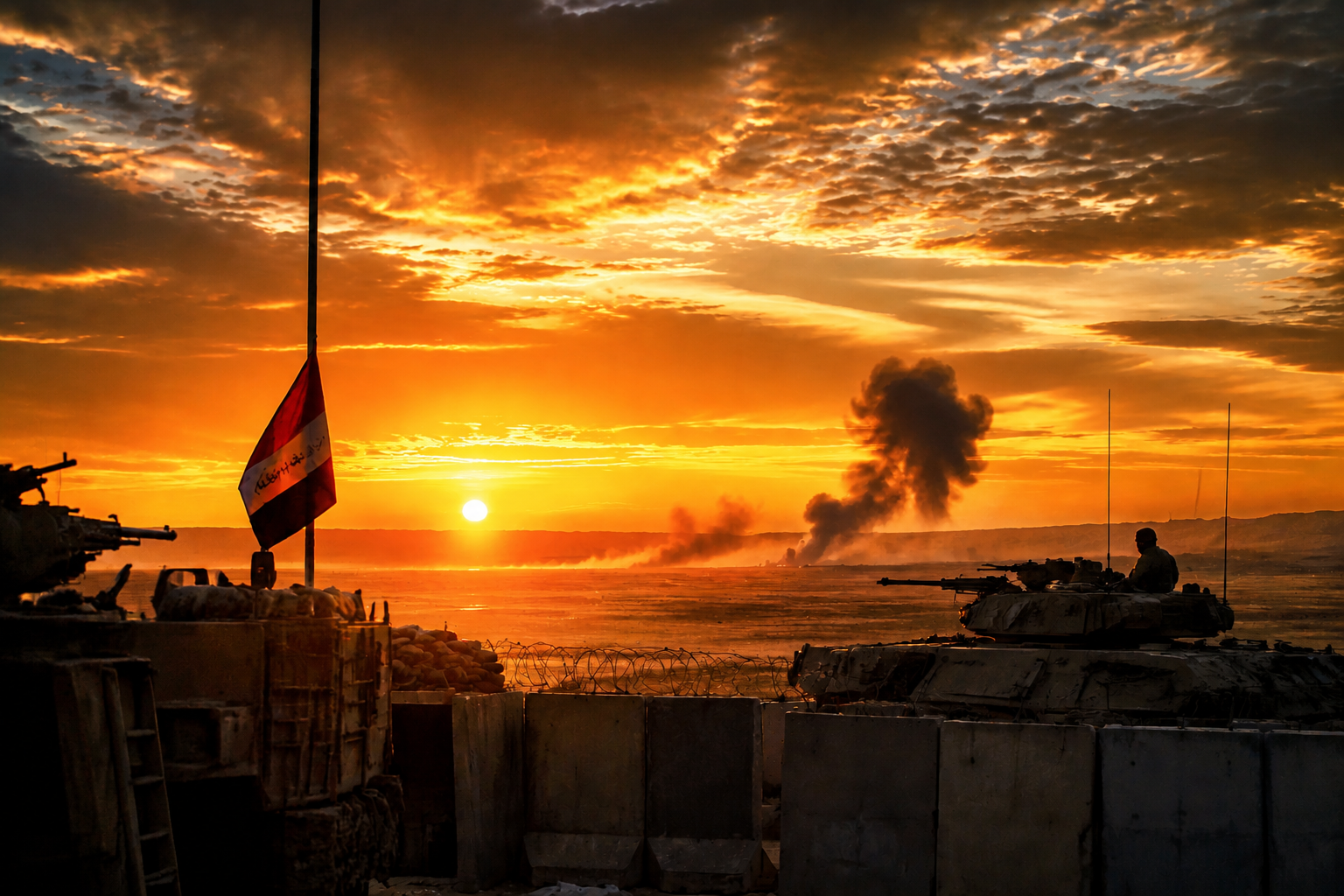

The conflict between the United States and Iran has entered a significantly more volatile phase this week. As of today, July 21, 2026, the Pentagon has confirmed a sharp increase in casualties, marking a grim milestone in a confrontation that has steadily intensified throughout the month. With reports of dozens of American service members killed or wounded across multiple regional theaters, the administration is facing mounting pressure to respond to what is now being described as an expanding war.
A Surge in American Casualties
According to reports confirmed by the Pentagon on Tuesday, nearly 100 American troops have been injured since the current conflict began on July 7. This surge in injuries accompanies a rising death toll that has fundamentally altered the scale of the engagement. Reports say, that two U.S. troops killed in Jordan have now been identified, highlighting the geographical spread of the hostilities beyond traditional flashpoints.
These recent fatalities follow a series of devastating strikes over the last 48 hours. At least 17 American soldiers were killed in a major escalation of the conflict. Another U.S. service member has reportedly been killed as the war continues to expand into new territories, underscoring the persistent danger faced by personnel stationed in the Middle East.
Trump Vows Retaliation and Orders Airstrikes
In response to the mounting losses, President Donald Trump has signaled a shift toward more aggressive military action. Following the deaths of three U.S. troops earlier this week, the President issued a stern warning to Tehran, stating that "Iran will pay many times over,". This rhetoric has been matched by immediate kinetic action, the President ordered fresh airstrikes on Iranian targets following the death of a soldier in an attack in Iraq.
The administration’s stance appears to be one of calculated escalation. As American deaths continue to mount, the White House has shown little sign of de-escalation, instead opting for a strategy of direct military pressure against Iranian assets in the region.
Regional Expansion and the Path to Diplomacy
The conflict is no longer contained within a single border. Fatalities and injuries have been recorded in Iraq and Jordan, suggesting a multi-front engagement that threatens regional stability. While the military response has been the primary focus, some members of the administration appear to be keeping a door open for a non-military resolution.
On Monday, Senator Marco Rubio reportedly signaled that diplomacy remains a possibility even as the war escalates, according to Iran International. However, the viability of such talks remains uncertain as the Pentagon continues to manage the fallout from the high volume of injuries sustained since July 7. For now, the focus remains on the immediate tactical response to the ongoing attacks on U.S. personnel.