
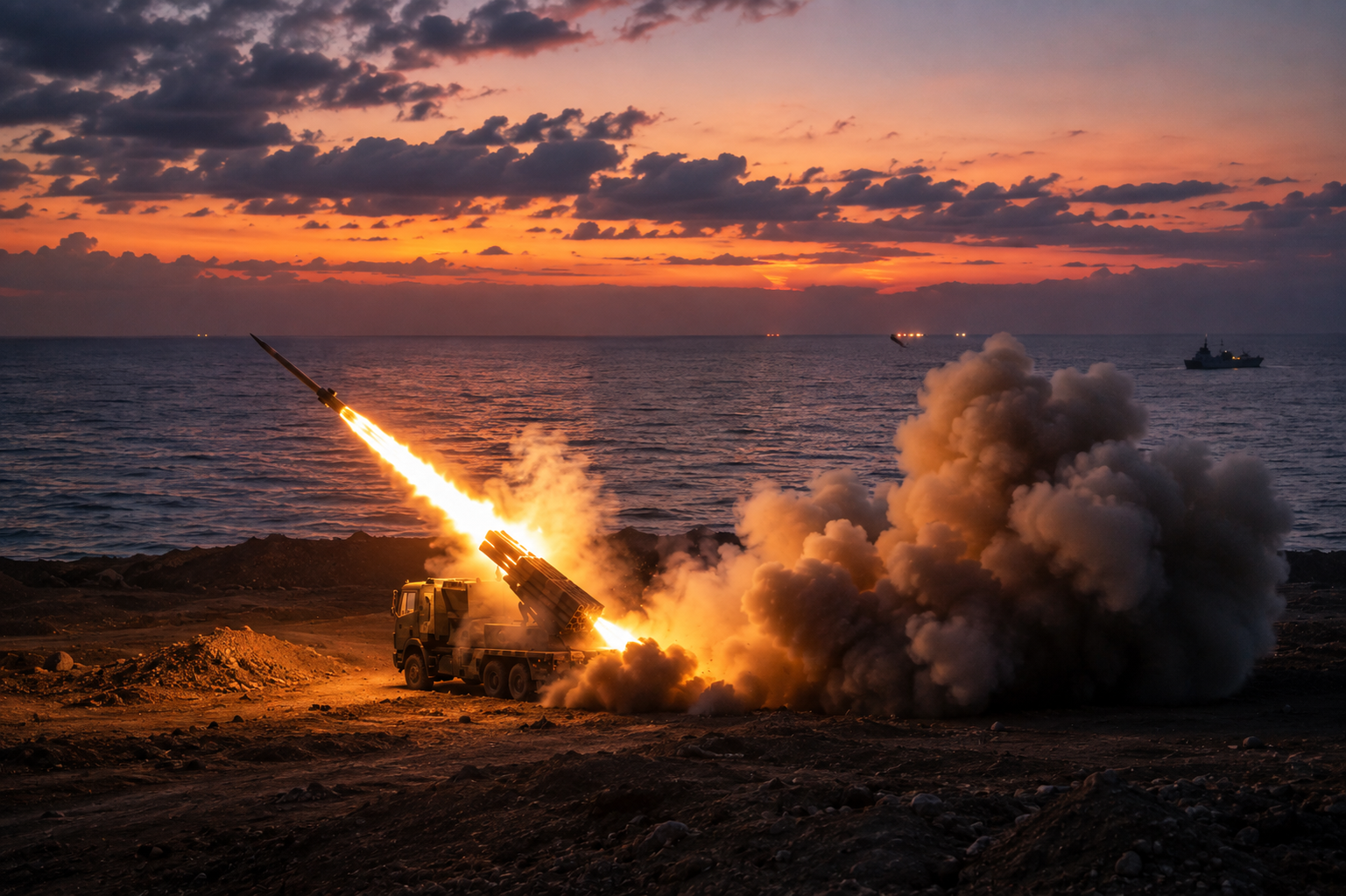

The Middle East stands at a critical juncture this August 1, 2026, as the United States continues a campaign of "fresh revenge strikes" against Iranian targets. Following a series of escalations that have defined the past five months, the latest military actions, reported in the final hours of July, signal a deepening of a conflict that now threatens to engulf the wider region.
A Five-Month War Intensifies
On July 31, 2026, the ongoing missile exchanges between the U.S. and Iran have reached a state of "intensified" warfare. This conflict, which has been active for approximately five months, has transitioned from sporadic skirmishes into a sustained military campaign. The escalation follows a pattern of retaliatory strikes that have consistently raised the stakes for regional stability, moving the two nations closer to an all-out war.
The U.S. is conducting these fresh strikes as the war continues to escalate, with no immediate signs of a ceasefire. The persistent nature of these exchanges suggests that both sides are currently locked in a cycle of attrition that has moved beyond simple posturing and into a broader regional confrontation.
Strategic Targets and Political Rhetoric
The most recent wave of U.S. attacks, occurring as recently as July 30, comes in the wake of significant casualties and rising political pressure. Launched strikes following an incident where American troops were killed in Jordan. This loss of life has been a primary catalyst for the current "revenge strikes," providing the military justification for the Pentagon's latest operations.
The political environment surrounding these military actions has become increasingly volatile. The strikes follow a stern warning from Donald Trump to hit Tehran “very hard.” This rhetoric, combined with the kinetic military response, underscores a shift toward a more aggressive U.S. posture in the region, with the administration signaling its willingness to target Iran directly to deter further aggression.
Regional Instability and Maritime Security
The conflict is no longer confined to isolated missile sites or border regions. Tensions have significantly deepened in the Strait of Hormuz, a critical global shipping artery. The maritime security is increasingly at risk as the U.S. and Iran trade blows near these vital waters. The potential for prolonged disruption to global trade routes remains a primary concern for international observers and economic analysts.
Further complicating the security landscape is the involvement of other regional actors and the longevity of the crisis. Earlier this year, in March 2026, Israel conducted strikes on Tehran and Beirut, prompting warnings from the U.S. that attacks in the region would surge. As of today, those warnings have materialized into a persistent state of war that endangers the broader Middle East and risks drawing in neighboring states.