
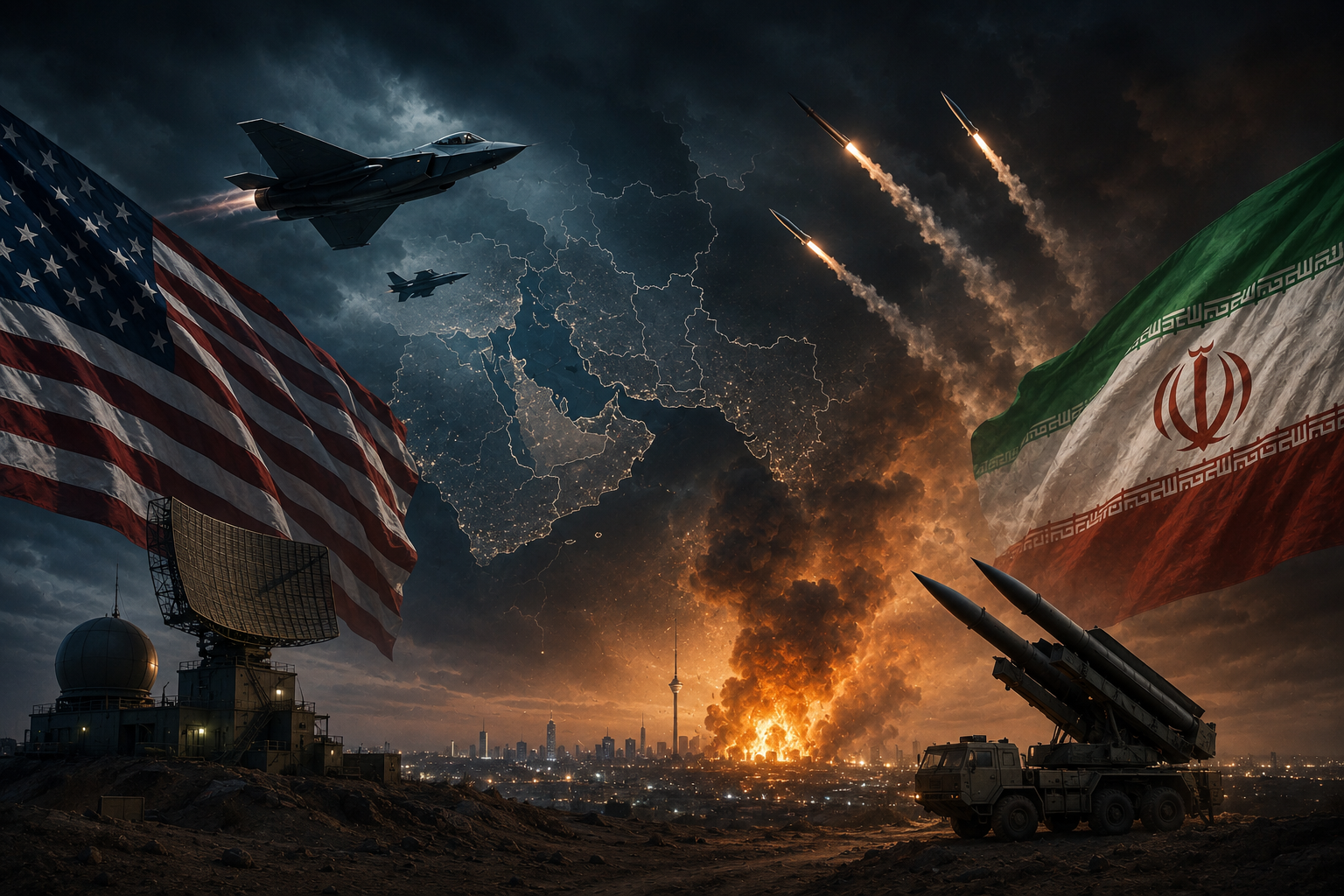

The military landscape in the Middle East has shifted into a volatile new phase following a series of deadly exchanges between the United States and Iran. As of July 20, 2026, regional tensions have reached a critical threshold after the U.S. launched fresh retaliatory strikes targeting Iranian assets. This escalation follows the deaths of two American service members in Jordan, an event that has dismantled recent attempts at maintaining a fragile ceasefire and raised the specter of a broader regional conflagration.
The Jordan Attack and American Retaliation
The current cycle of violence was triggered by a deadly attack on American troops stationed in Jordan. The incident resulted in the deaths of two U.S. soldiers, marking a significant escalation in the targeting of American personnel in the region. In response, the U.S. military launched fresh strikes against Iranian targets.
The political fallout in Washington has been immediate. President Donald Trump commented on the situation, describing the deaths of the two service members as "very sad." The U.S. administration’s decision to respond with direct military force underscores a shift away from diplomatic containment toward active deterrence, even as critics warn of the potential for an uncontrollable spiral of violence.
Rising Casualties and Diplomatic Atrophy
The human cost of the confrontation is mounting rapidly. Reports indicate that at least seven people were killed in the latest round of U.S. strikes. This brings the overall death toll in this specific wave of hostilities to 38 individuals. These figures highlight the increasing lethality of the exchanges, which are no longer confined to low-level skirmishes.
On the diplomatic front, the rhetoric from Tehran suggests a complete breakdown of previous understandings. Iranian Supreme Leader Ali Khamenei has publicly accused the United States of violating the "Islamabad MoU,". This accusation suggests that the framework intended to manage bilateral tensions has been effectively discarded. The continued exchange of fire despite an earlier ceasefire indicates that the truce has effectively collapsed, with neither side appearing willing to return to the previous status quo.
Widening Tensions in the Gulf
The geography of the conflict is expanding beyond the borders of Jordan and traditional flashpoints. Earlier this month, tensions were already simmering following attacks on tankers in the Strait of Hormuz, which prompted initial U.S. strikes. The current escalation is seen as widening tensions in the Gulf and posing a direct threat to regional stability.
Details on the specific military hardware utilized in the latest strikes or the precise locations of the Iranian targets have not been fully reported yet. However, the shift from maritime incidents in the Strait of Hormuz to land-based fatalities in Jordan indicates a multi-front engagement that complicates any immediate path to de-escalation. With both nations now trading heavy fire, the risk of the conflict encompassing neighboring states remains the primary concern for the international community.