
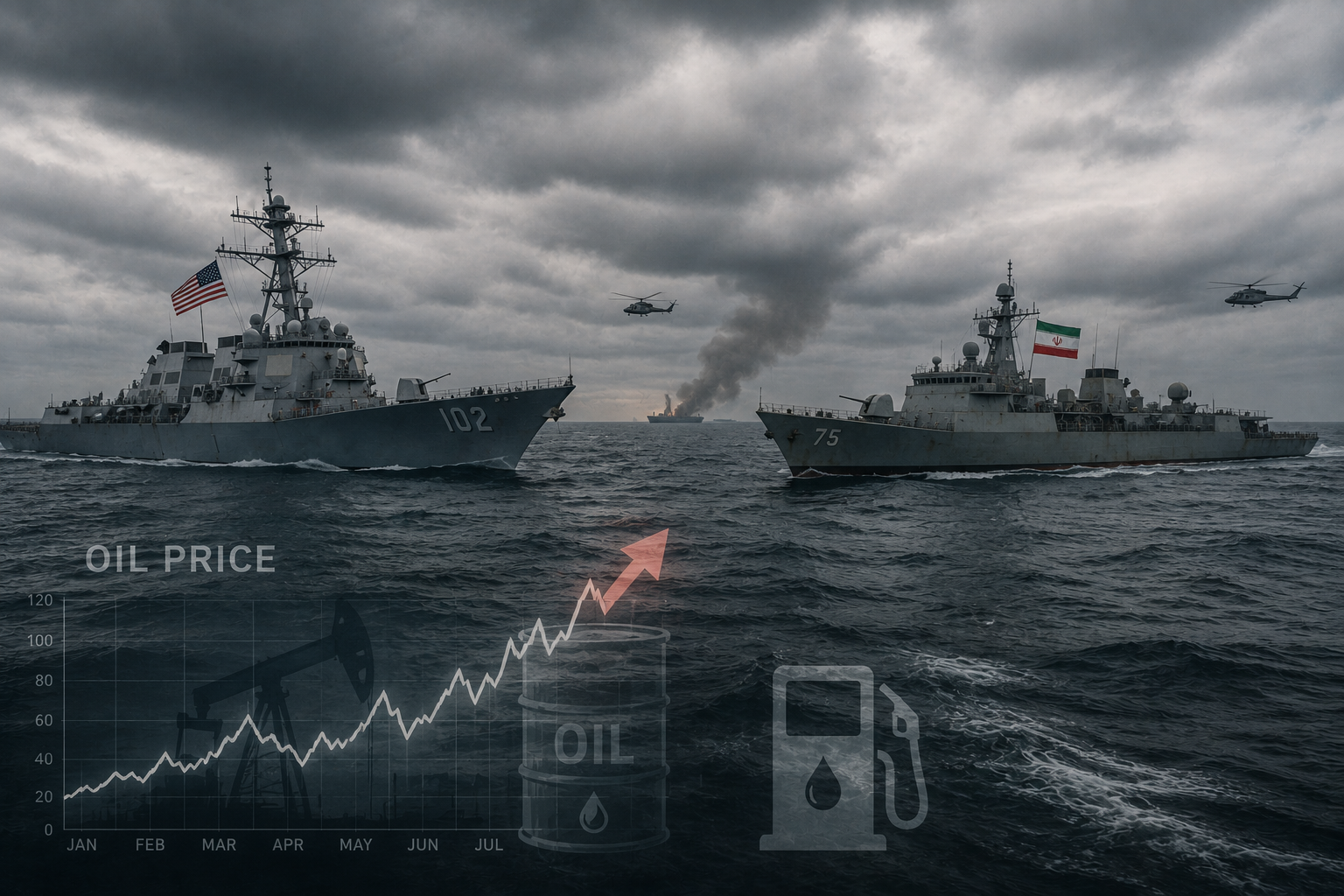

As of July 15, 2026, the geopolitical landscape in the Middle East has shifted toward a state of high alert. Following a series of military provocations and the breakdown of diplomatic efforts, the United States has officially reimposed a naval blockade against Iran. This move, centered on the critical maritime artery of the Strait of Hormuz, has immediately reverberated through global energy markets and raised the specter of a broader regional conflict.
The Return of the Naval Blockade
The United States military has resumed a full-scale naval blockade on Iran, a significant escalation in a conflict that has intensified over the last 48 hours. According to reports, the blockade specifically targets Iranian maritime movements, effectively closing off key shipping lanes in the Strait of Hormuz.
This strategic maneuver follows a renewed cycle of violence, including a reported attack on Jordan. The reimposition of the blockade marks a definitive end to recent attempts at de-escalation, as the U.S. seeks to exert maximum pressure on Tehran in response to these latest hostilities. The presence of U.S. naval assets in the region is now at its highest level in months, signaling a shift from defensive posturing to active containment.
Global Energy Markets React to Hormuz Tension
The immediate fallout of the naval blockade has been felt most acutely in the commodities market. Oil prices surged today, hitting a one-month high of $86.79 per barrel. This sharp increase reflects investor anxiety over potential supply chain disruptions in the Strait of Hormuz, through which a significant portion of the world's oil supply passes.
Financial analysts noted that the price hike follows a period of relative stability, but the sudden renewal of strikes and the blockade have shattered market confidence. The four-week high in crude prices underscores the vulnerability of global energy security to military friction in the Persian Gulf. With the blockade now in place, market spectators are bracing for further volatility if the maritime standoff persists.
Collapsed Ceasefire and Military Friction
The current escalation is rooted in the total collapse of previous diplomatic frameworks. On July 14, a fragile ceasefire that had been holding in the region has officially failed. The collapse was followed immediately by renewed U.S. strikes and the subsequent announcement of the naval blockade.
Details regarding the specific triggers for the ceasefire's failure remain developing, but the sequence of events suggests a rapid breakdown in communication between the involved powers. Furthermore, a shift in the political handling of the region and policy changes regarding Strait of Hormuz fees have coincided with the heightening military tension. With the blockade now active and military strikes resumed, the potential for a localized skirmish to evolve into a larger regional war remains a primary concern for international observers.