
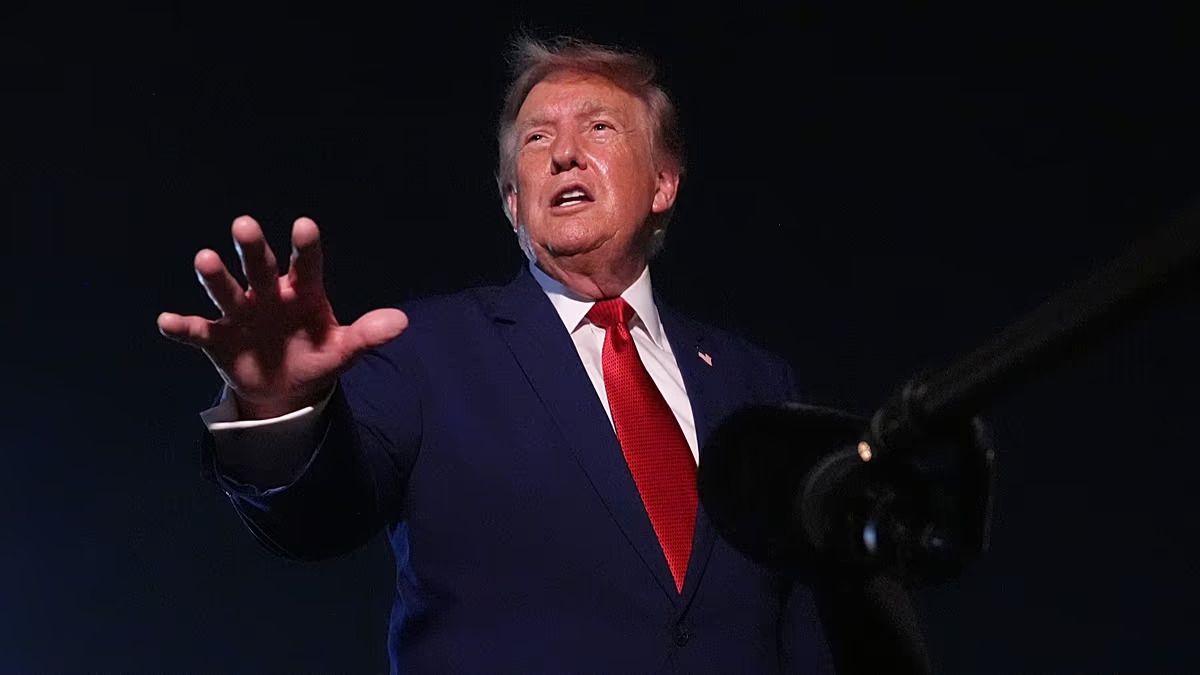

Tensions in the Middle East have escalated sharply following bold assertions from Washington regarding one of the world's most critical maritime chokepoints. US President Donald Trump has stated that the United States maintains "total control" over the Strait of Hormuz, vowing to keep that control amidst an ongoing conflict context involving Iran.
The "Total Control" Claim and the "Wall of Steel"
The pronouncement by the US leadership emphasizes a hardline posture on safeguarding access to vital regional trade lanes. According to reports, President Trump further characterized the situation around the route by referencing a "Wall of Steel."
Historically, securing access to and ultimate dominance over regional energy routes has remained a central geopolitical objective in Washington's Middle East foreign relations, a dynamic analyzed in academic literature such as work by J. Garcia available on SSRN. By reiterating total oversight of the strait, the administration is signaling a muscular military and strategic footprint designed to deter hostile actions and secure crucial petroleum transit channels.
Iran Defies and Declares the Strait Blocked
Tehran has swiftly and aggressively pushed back against Washington's declarations. Iran has openly defied the US president's assertions, declaring instead that the Strait of Hormuz is blocked.
This direct contradiction highlights a dangerous standoff in the waters connecting the Persian Gulf to the Gulf of Oman. While Washington insists its naval posture and strategic positioning grant it absolute dominance, Tehran's counter-declaration demonstrates that regional actors are prepared to contest control over the vital waterway, setting the stage for a prolonged test of wills.
Implications for Global Energy and Regional Stability
The high-stakes rhetoric from both capitals underscores the fragile state of security across the region. With the vital oil route at the center of this geopolitical tug-of-war, markets and international observers are closely monitoring how the standoff unfolds.
Details on specific military engagements or diplomatic interventions to resolve the maritime deadlock have not been reported yet. However, the hardening stances from both the White House and Tehran suggest that the risk of miscalculation in the critical waterway remains exceptionally high.