
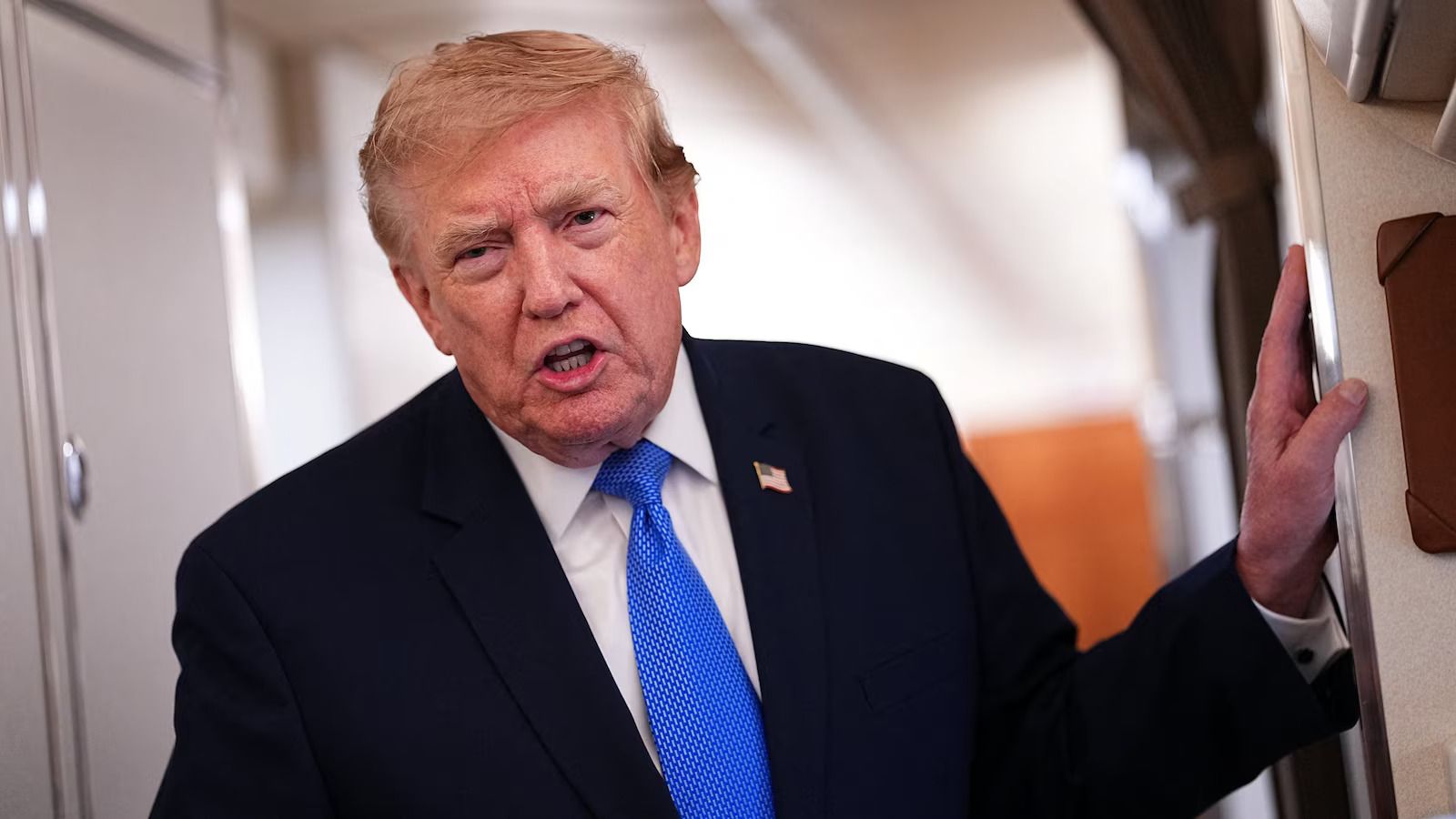

In a significant shift of strategy, President Donald Trump announced that the United States will begin fresh negotiations with Iran today, Monday, August 3, 2026. This announcement follows the president's decision to call off what were described as planned military strikes against Iranian targets, signaling a momentary de-escalation in a region that has been on the brink of open conflict.
A New Diplomatic Window
The resumption of dialogue marks a shift away from the military options that were reportedly under consideration just hours earlier. According to reports, the president confirmed that these new talks are scheduled to commence this Monday.
The decision to halt the strikes appears to have opened a narrow window for diplomatic engagement. While the specific location and high-level attendees of today’s discussions have not been fully disclosed, the shift indicates a move away from the immediate threat of a "US-Iran war" that had dominated headlines over the weekend. The start of the talks is widely seen as a direct result of the president's decision to step back from military action.
Regional Influence and Tactical Retreat
The move toward the negotiating table was influenced by external diplomatic pressure. While the administration had been moving toward a military response, Gulf nations reportedly urged Washington to provide diplomacy another opportunity before committing to a strike.
President Trump had previously characterized the aborted operation as a "massive" planned strike. The intervention by regional allies appears to have been a deciding factor in pivoting toward the current dialogue. By calling off the strikes, the U.S. administration is testing whether the threat of force has created enough leverage to bring Tehran to the table for substantive discussions. Details on the specific messages conveyed by Gulf leadership to the White House have not been reported yet.
Expectations and the Absence of Deadlines
While the start of talks provides a reprieve from immediate hostilities, the administration is maintaining a cautious stance regarding the timeline for a resolution. President Trump has notably avoided setting a firm deadline for reaching a deal with Tehran.
This lack of a timeframe suggests a strategy focused on the process of engagement rather than immediate concessions. The shift to talks on Monday follows a period of intense military readiness that has now been dialed back in favor of the current diplomatic track. By avoiding a deadline, the U.S. may be seeking to lower the temperature without appearing to retreat from its core demands.