


New Delhi: Researchers analysing data from nearly half a million adults found that sleeping either too little or too much was associated with signs of accelerated ageing across multiple organs and body systems.
The findings add to growing evidence that sleep duration is closely tied to long-term health, influencing everything from cardiovascular function and metabolism to mental wellbeing and brain health. Adults who consistently slept between six and eight hours a night showed lower risks of conditions such as type 2 diabetes and depression, while also displaying slower biological ageing markers compared with people sleeping outside that range.
The research, published in an online article in Nature, is being viewed as one of the most comprehensive investigations yet into how sleep affects ageing throughout the human body. Using extensive health records from the UK Biobank — including medical imaging, blood samples and lifestyle assessments from more than 500,000 participants — researchers examined how sleep patterns relate to biological ageing. Although the study does not prove direct causation, it strengthens the case that healthy sleep may be one of the most accessible and modifiable ways to support healthier ageing.
The research team, led by Junhao Wen, a computational neuroscientist at Columbia University in New York City, analysed 23 separate biological ageing ‘clocks’ covering 17 organs and physiological systems. These clocks estimate biological age through biomarkers such as proteins, metabolites and imaging features, allowing scientists to assess how quickly different parts of the body are ageing.
A recurring U-shaped pattern emerged from the analysis. Participants sleeping too little or too much tended to show signs of accelerated ageing, while those within the middle range demonstrated healthier ageing profiles. Yet the study also revealed that ageing does not unfold uniformly across the body. Earlier research had already suggested that organs can age at different rates, and the latest findings reinforced that theory by showing that sleep duration appeared to influence individual organs differently.
Researchers assessed ageing markers linked to the brain, heart, metabolism and other systems through blood proteins, metabolites and medical imaging. In some cases, the healthiest outcomes appeared after six hours of sleep, while other organs showed more favourable patterns closer to eight hours.
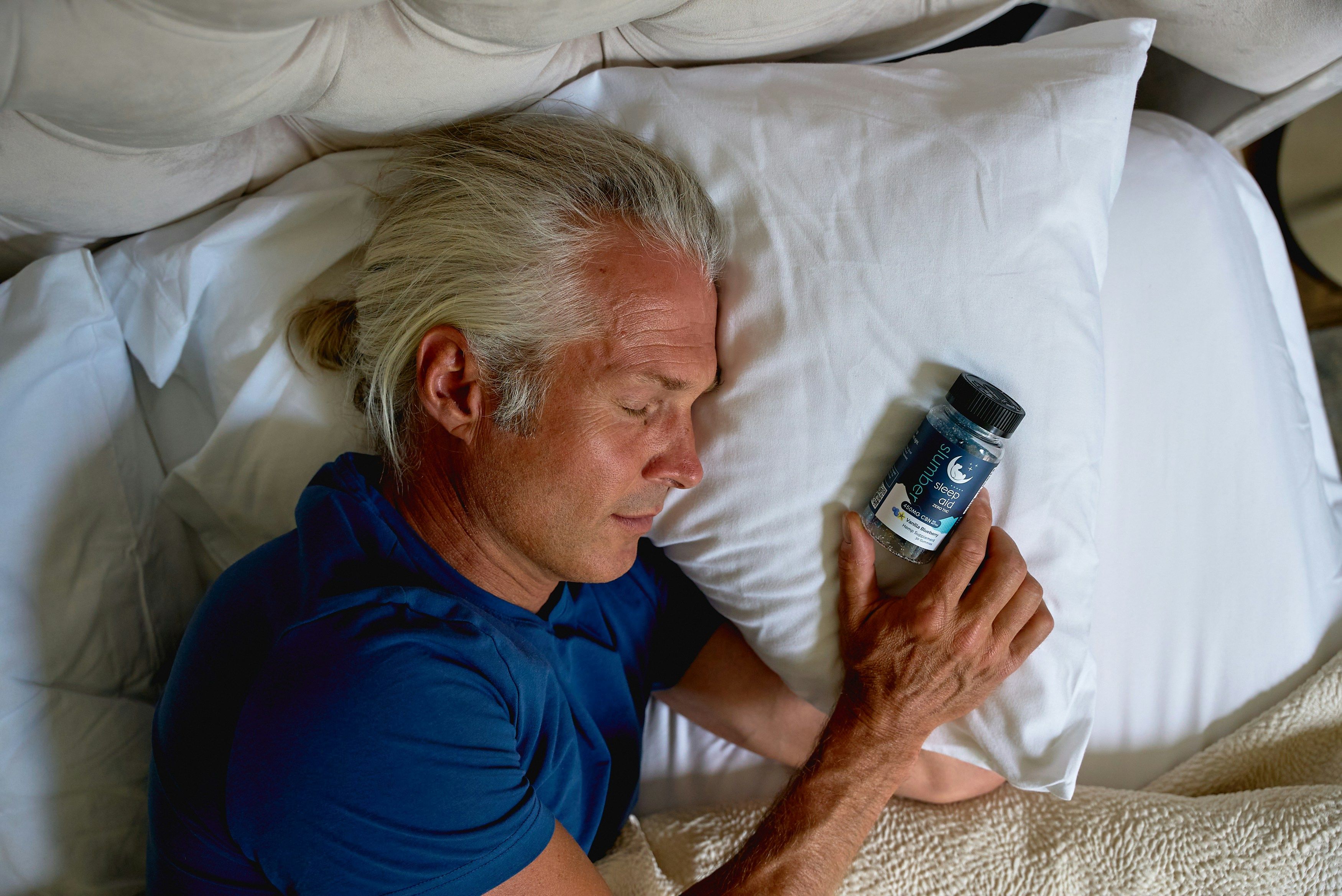
Scientists caution that relationship between sleep and ageing is unlikely to be straightforward. Poor sleep may accelerate ageing, but ageing itself can also disrupt sleep patterns through chronic illness, stress and neurological changes. (Photo by Slumber Sleep Aid on Unsplash)
Protein markers associated with heart health suggested six hours of sleep produced the most beneficial results, whereas brain-related indicators pointed nearer to eight hours. The findings suggest there may never be a single universal sleep prescription, but rather a healthy range shaped by biology, sex, lifestyle and environmental influences.
The study published in Nature also uncovered differences between men and women, with some biological ageing clocks responding differently according to sex. Researchers believe these findings could eventually contribute to more personalised sleep recommendations.
Importantly, the analysis found surprisingly limited evidence that genetics strongly determine abnormal sleep duration. Wen noted that “sleep might be more environmental”, adding that the findings carry “a strong message for the public that this can be modifiable”.
Independent researchers said the study broadens scientific understanding of how deeply sleep influences overall health. Abigail Dove, who was not involved in the work, described the scale of the analysis as unprecedented. “Sleep affects every organ of the body,” she said. “And sleep is somewhat modifiable. This is a tool that could help.”
Scientists caution, however, that the relationship between sleep and ageing is unlikely to be straightforward. Poor sleep may accelerate ageing, but ageing itself can also disrupt sleep patterns through chronic illness, stress and neurological changes. Wen acknowledged the complexity of the relationship, saying: “Personally, I think it’s bidirectional.”
Experts also warned that the findings may not apply equally across all populations because most participants came from the UK Biobank cohort. Lifestyle, ethnicity, work schedules and environmental conditions could all influence how sleep affects health in different regions of the world.
Still, researchers believe the study offers compelling evidence that sleep should be treated as a core pillar of preventive healthcare alongside diet, exercise and cardiovascular monitoring. Alexandra Badea said the research reinforces the idea that the body’s systems are deeply interconnected: “These systems talk to each other.”
The broader implication is becoming increasingly difficult to ignore: in an era marked by rising burnout, stress and chronic disease, consistently sleeping for around six to eight hours a night may be one of the simplest and most powerful habits for protecting long-term health and slowing the biological processes linked to ageing.
(Cover photo by Farnaz Kohankhaki on Unsplash)