
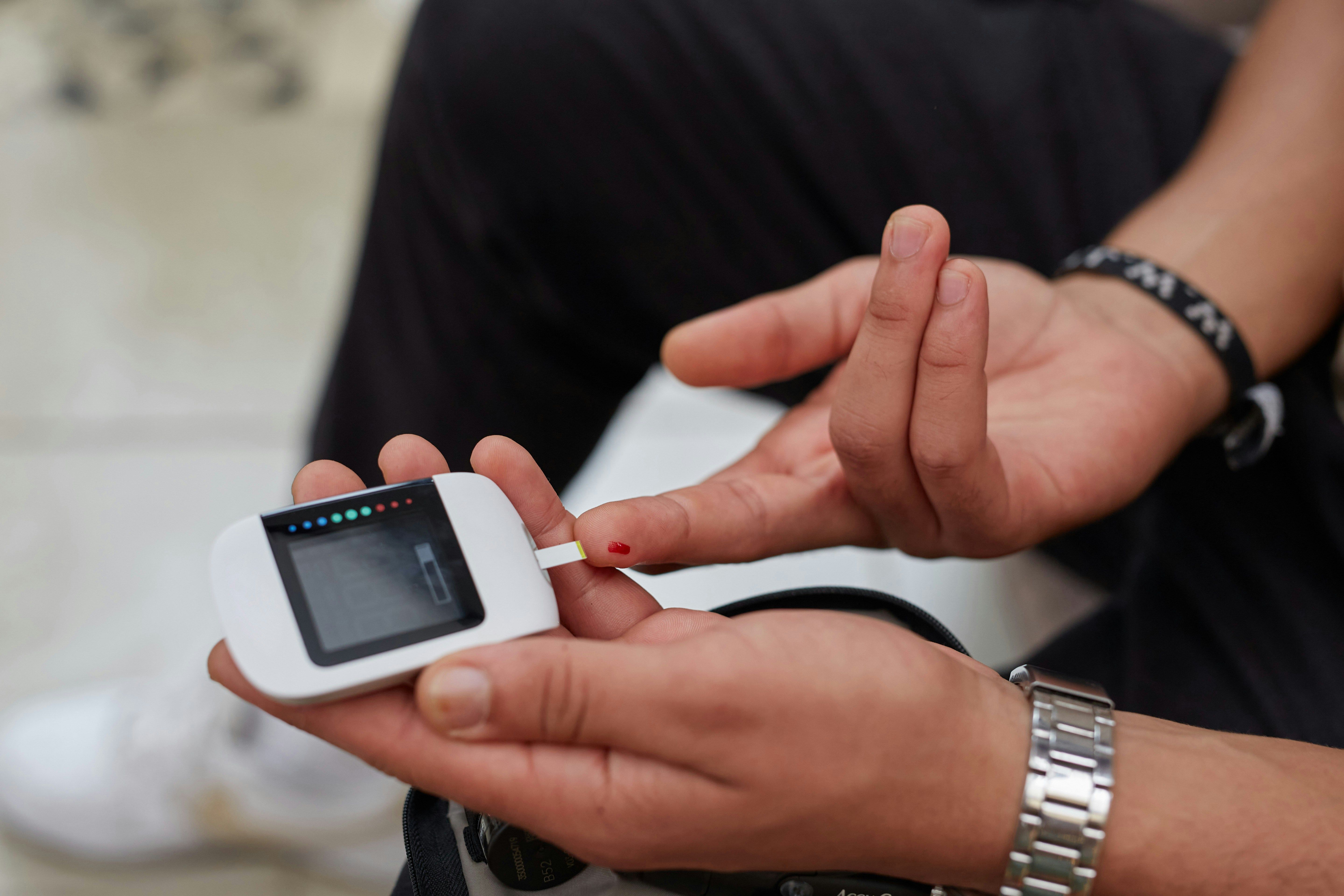

New Delhi: A century-old vaccine developed to fight tuberculosis could offer an affordable new weapon against autoimmune diabetes, after a phase II clinical trial found it helped people with certain forms of the disease reduce their insulin use.
The recent findings, published online in Nature and presented at the American Diabetes Association meeting, showed that repeated doses of the Bacillus Calmette–Guérin (BCG) vaccine improved blood-sugar management in people with Type 1 diabetes and latent autoimmune diabetes in adults (LADA).
The BCG vaccine, made from a weakened form of the bacterium that causes tuberculosis in cattle, has long been known for benefits beyond its original purpose. It is already approved by the US Food and Drug Administration for bladder cancer treatment and is under investigation for several other conditions.
“This opens your eyes to a whole new way to think about people with diabetes, and getting good blood-sugar control without a new device or new machine,” Denise Faustman, medical researcher at Massachusetts General Hospital, who led the diabetes trial, told the magazine.
Immune System Effect
The trial involved 95 people with LADA, an autoimmune form of diabetes that usually develops after the age of 30. Sixty-eight participants received six BCG injections over five years, while the rest were given placebo shots.
Although the vaccine did not significantly lower blood sugar, it reduced insulin use by nearly 3% during the study period. In contrast, insulin requirements in the placebo group increased by 22%, suggesting the vaccine may slow the destruction of insulin-producing pancreatic beta cells.
Researchers believe the BCG vaccine works by modifying immune responses that drive autoimmune damage.
“The importance of this study is that they demonstrate that, by activating the immune system with the vaccine, they are able to downregulate the autoimmunity,” Åke Lernmark, diabetes researcher at Sweden’s Lund University, was mentioned in the article as saying.
The research team also studied 58 adults with juvenile-onset Type 1 diabetes. Participants receiving the vaccine spent 184% more time within a healthy blood-sugar range than before the trial and recorded a small but statistically significant reduction in insulin use after five years.
Because most people with long-standing Type 1 diabetes have little remaining beta-cell function, researchers suspect the vaccine may regulate blood sugar through a different pathway. Imaging studies indicate that immune cells in the spleen could be activated to consume more glucose, effectively acting as a biological sugar sink.
Funding Major Challenge
The findings could reshape the search for affordable diabetes treatments. Current approaches often rely on expensive immunosuppressive drugs such as teplizumab to slow autoimmune damage. By comparison, the BCG vaccine is inexpensive, with manufacturing costs of less than $1 per dose.
Around 9.5 million people worldwide live with Type 1 diabetes, while millions more are believed to have LADA, making a low-cost therapy highly attractive.
However, the vaccine’s low price has created a financial obstacle. Since the patent expired decades ago, pharmaceutical companies have shown little interest in funding large-scale studies for new uses. Faustman and her colleagues financed the phase II trial entirely through philanthropic support.
The next step towards regulatory approval for diabetes treatment would be a much larger phase III trial to confirm the vaccine's effectiveness. Securing the funding for such a study, researchers say, could prove to be their biggest challenge.
(Cover photo by Sweet Life on Unsplash)