
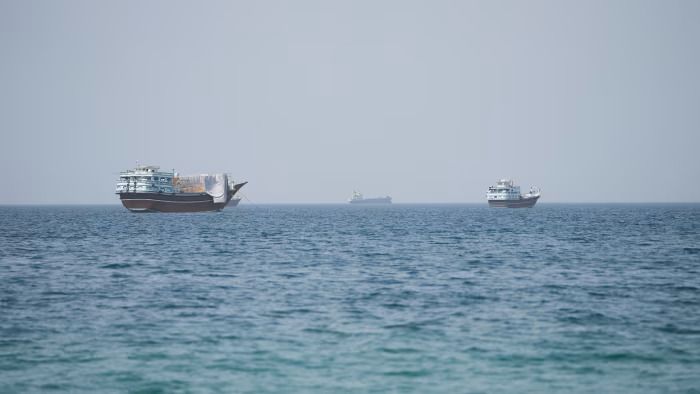

Geopolitical tensions in the Middle East have intensified sharply as diplomatic efforts between Washington and Tehran face a renewed wall. As per the reports, ongoing negotiations have hit a fresh impasse, coinciding with an escalation of maritime harassment and attacks on vital shipping lanes. The breakdown in dialogue has immediately rattled global commodities, driving up oil prices as markets react to mounting risks surrounding maritime commerce.
Maritime Attacks and Strategic Chokepoints
The security situation across critical waterways has deteriorated significantly. Recent violence includes a deadly Houthi attack in the Bab el-Mandeb strait that resulted in six fatalities. These maritime disruptions are part of a broader pattern of harassment operations affecting strategic trade routes, including Red Sea shipping lanes.
Concurrently, the Islamic Republic maintains a rigid posture regarding the vital Strait of Hormuz. Tehran has stated the Hormuz passage will remain closed until the United States accepts its specific conditions. This hardline stance compounds the circular impasse previously highlighted in security assessments, where Western powers demand concessions regarding uranium enrichment while Iran continues its regional pressure tactics and refuses direct negotiations under current terms, as noted in predictive analyses from SSRN.
Global Economic Fallout and Energy Markets
The convergence of stalled diplomacy and physical threats to maritime logistics has triggered immediate economic anxiety. International oil prices have risen as peace hopes fade, with continuous ship attacks directly stoking acute supply fears worldwide. Because the affected regions encompass major energy arteries, any sustained obstruction to commercial vessel transit threatens to squeeze petroleum supplies and inflate shipping insurance and operational costs globally.