


New Delhi: The long shadow of the Covid-19 pandemic is still coming into focus, and for millions living with chronic respiratory disease, new evidence suggests it may be far longer than previously understood. According to the report, a new study published in eBioMedicine, part of The Lancet family of journals, indicates that patients with chronic obstructive pulmonary disease (COPD) who were hospitalized with Covid-19 face a markedly higher risk of recurrent respiratory flare-ups for years after their initial infection. The report says this raises fresh concerns about the prolonged burden of the pandemic on vulnerable populations.
COPD, a progressive lung disease marked by airflow limitation and chronic inflammation, is already one of the leading causes of illness and death worldwide. Patients often experience acute exacerbations — sudden worsening of symptoms such as breathlessness, coughing, and sputum production — that accelerate lung function decline and frequently require hospitalization. Viral respiratory infections, including influenza and earlier coronaviruses, have long been recognized as major triggers of these exacerbations. With the arrival of SARS-CoV-2, clinicians quickly observed that individuals with COPD were particularly vulnerable, facing significantly higher risks of severe disease, intensive care admission, and death. According to the study, this vulnerability has now been shown to extend well beyond the acute phase of infection.
What has remained less clear until now is the long-term impact of Covid-19 on the trajectory of COPD itself. The report says the new study, conducted within a large urban health system in the Bronx (US), offers some of the most comprehensive data to date on this question. Drawing from a population of 1.9 million patients, researchers identified more than 48,000 individuals with COPD, of whom over 5,500 had contracted Covid-19. After careful selection and matching to ensure comparable groups, the final analysis included thousands of patients across both hospitalized and non-hospitalized Covid-19 cohorts.
The findings are striking. According to the study, among COPD patients who required hospitalization for Covid-19, there was a 69% higher risk of recurrent exacerbations compared to similar patients who had not contracted the virus. This was not a short-lived effect, as the increased risk persisted for up to 48 months after the initial infection, suggesting that Covid-19 may fundamentally alter the long-term stability of the lungs in vulnerable individuals.
In practical terms, the difference is substantial. Hospitalized Covid-19 patients experienced an exacerbation rate of 35.7 per 100 person-years, more than double the 15.9 observed in the control group. According to the study, such exacerbations are not merely inconvenient episodes but are often life-threatening events that can permanently worsen lung function and quality of life.
By contrast, COPD patients who contracted Covid-19 but did not require hospitalization did not show a statistically significant increase in future exacerbations. The study says this distinction underscores a critical point: the severity of the initial Covid-19 illness appears to be the key determinant of long-term respiratory consequences.
Researchers believe the underlying mechanisms are rooted in the biological damage caused by severe infection. Covid-19 is known to trigger intense systemic inflammation and direct injury to lung tissue. In severe cases, this can lead to alveolar damage, endothelial dysfunction, and the development of interstitial fibrosis — scarring that stiffens the lungs and impairs gas exchange. According to the study, for patients already living with COPD, this additional “assault” may push the respiratory system into a state of persistent instability.
The study also draws attention to an often underappreciated dimension of chronic disease: the role of social determinants of health. It says that among hospitalized patients, those facing at least one unmet social need — such as unstable housing, food insecurity, or lack of reliable transportation — had a 53% higher risk of further exacerbations. Even among patients with milder Covid-19 managed outside the hospital, socio-economic factors played a decisive role. Individuals relying on public insurance programs had more than twice the risk of exacerbations compared to those with private insurance.
These findings highlight that long-term health outcomes are shaped not only by biology but also by access to care, medication adherence, and the broader conditions in which patients live. For COPD patients recovering from severe Covid-19, barriers such as the inability to attend follow-up appointments or afford inhaled therapies can translate directly into worsening disease, reveals the study.
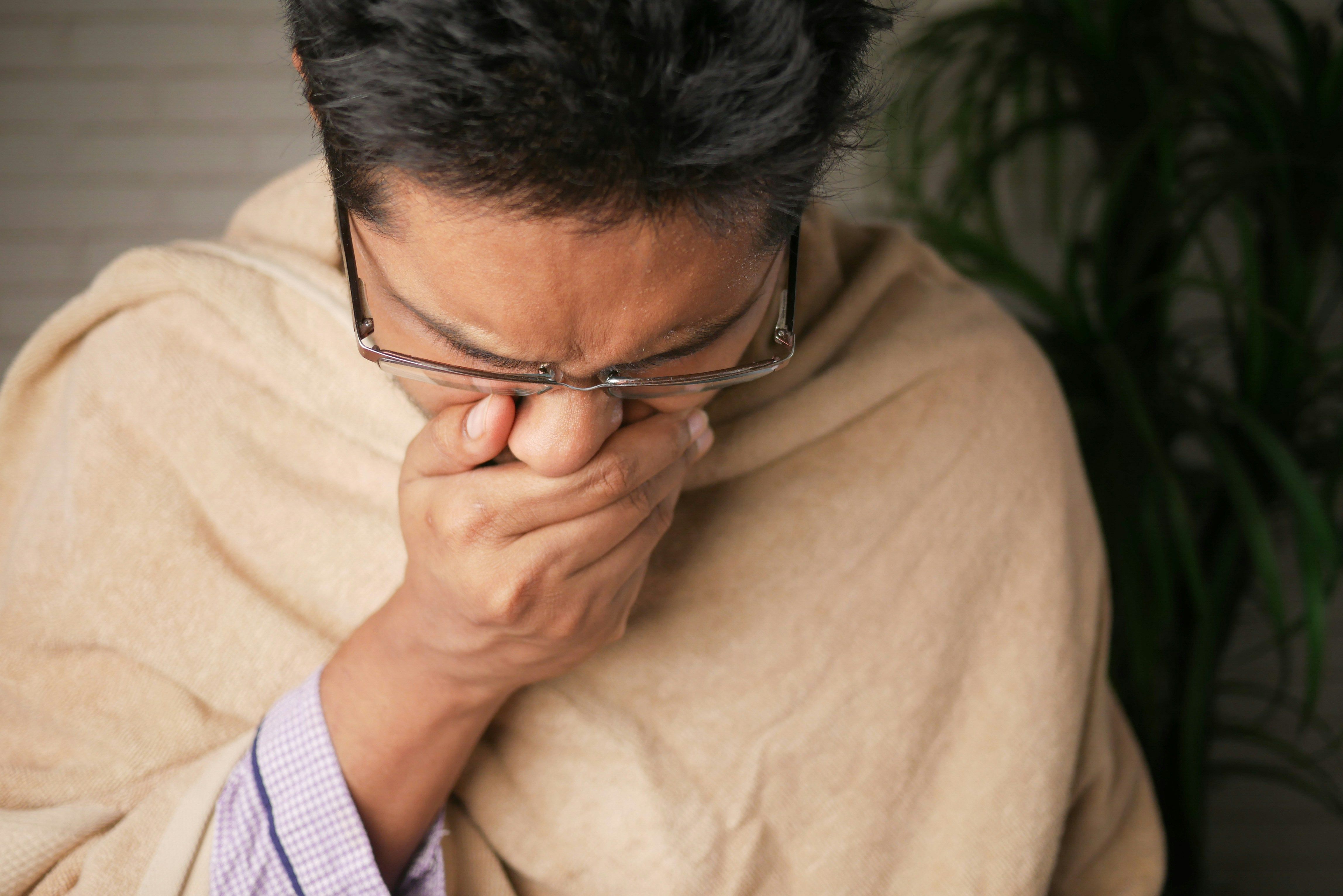
Experts suggest that India may need to strengthen long-term respiratory care strategies, including better screening, affordable medication access, and community-level interventions. (Photo by Towfiqu barbhuiya on Unsplash)
India Perspective
In the Indian context, the implications are particularly significant. India carries a substantial burden of COPD, driven by high rates of air pollution, tobacco use, and exposure to biomass fuels. The added impact of severe Covid-19, the study says, could further strain an already overburdened healthcare system, especially in urban centres where pollution levels remain high and respiratory illnesses are widespread.
Access to consistent follow-up care remains uneven across the country. Socio-economic disparities, limited pulmonary rehabilitation services, and out-of-pocket healthcare expenses may amplify the long-term risks identified in the study. In rural and semi-urban areas, challenges such as poor healthcare infrastructure and lack of awareness could delay diagnosis and management of post-Covid complications in COPD patients.
Experts suggest that India may need to strengthen long-term respiratory care strategies, including better screening, affordable medication access, and community-level interventions. According to the report, integrating social support measures — such as improving access to transportation and ensuring continuity of care — could play a crucial role in reducing exacerbation risks among vulnerable patients.
Methodologically, the study employed robust statistical techniques to ensure the reliability of its conclusions. It says that using propensity score matching, researchers created closely comparable groups based on age, sex, race, comorbidities, and other relevant factors. Advanced models were then applied to account for recurrent exacerbation events and mortality risks. Importantly, according to the report, the increased risk remained consistent across different waves of the pandemic and was not fully explained by markers of critical illness alone.
For clinicians, the implications are clear. The report says that COPD patients who survive hospitalization for Covid-19 represent a high-risk subgroup that requires sustained and proactive management. This may include more frequent pulmonary monitoring, early intervention at the first signs of deterioration, optimization of inhaled therapies, and addressing social barriers that could impede recovery.
The study also raises broader questions about the long-term burden of the pandemic on healthcare systems. With millions of people worldwide having been hospitalized with Covid-19, many of whom have underlying chronic conditions like COPD, the potential for a sustained increase in respiratory morbidity is considerable, it says.
The research reinforces a sobering reality: for many patients, Covid-19 is not a discrete event but a turning point in their health trajectory. In the case of COPD, severe infection appears to leave a lasting imprint, shaping outcomes for years to come. Recognizing and addressing this prolonged impact will be essential in mitigating the full consequences of the pandemic.
(Cover photo by Martin Sanchez on Unsplash)