
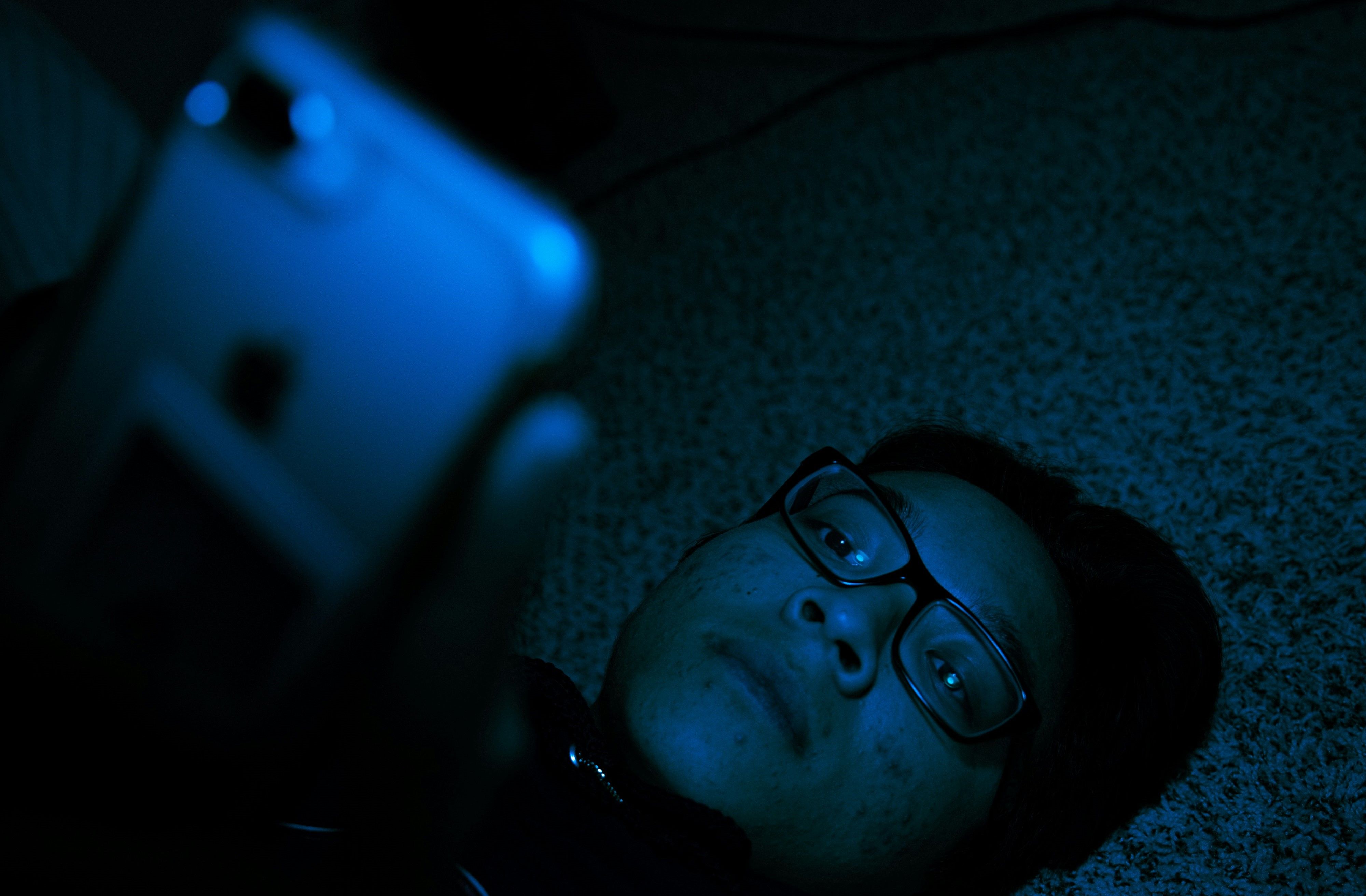

New Delhi: Adolescent sleep is emerging as a silent public health crisis, and researchers across countries are increasingly pointing to one powerful driver behind it: the structure of teenagers’ daily lives, especially early school start times combined with late-night digital media use. Together, these environmental pressures are overriding biology and reshaping how young people sleep, with serious consequences for their mental health, academic performance and overall well-being.
A recent study published in the Journal of Adolescent Health has shed light on the scale of the issue in urban India. The research, conducted among 1,521 adolescents aged 12 to 18 years in central Delhi, found that nearly one in four students — 22.5% — were sleep deprived, meaning they slept less than eight hours per night. The study included students from government, government-aided and private schools, ensuring representation across socio-economic groups.
The study’s findings were worrying. Nearly half of the adolescents reported daytime dysfunction, such as difficulty staying awake in class or feeling constantly tired. Academic performance was also affected. On average, sleep-deprived students scored lower grades compared with those who got adequate sleep. While the difference in marks may appear small at first glance, researchers stress that chronic sleep loss can accumulate over time, affecting concentration, memory and learning ability.
Depressive Symptoms
Perhaps the most striking finding of the Delhi study was the strong link between sleep deprivation and mental health. Nearly 60% of the participants reported depressive symptoms, and 27% experienced moderate to severe depression. Adolescents who were sleep deprived were more than three times as likely to report depressive symptoms compared to their well-rested peers. The study also found that poor sleep hygiene — habits such as irregular bedtimes, late-night screen use or stimulating activities before sleep — was closely associated with both sleep deprivation and depression.
Interestingly, while a large number of the students showed suboptimal cognitive scores, sleep deprivation itself was not directly linked to poor cognitive function in this cross-sectional snapshot. However, researchers cautioned that the high prevalence of lower cognitive scores is concerning and requires long-term follow-up to fully understand the impact of chronic sleep loss.
While this Indian study highlights the local burden, similar patterns are visible globally. In the United States, an analysis published in the Journal of the American Medical Association examined trends in insufficient sleep among high school students using data from the Youth Risk Behaviour Survey. The results showed that insufficient sleep has increased significantly over time, rising from 68.9% in 2007 to 76.8% in 2023. The most dramatic rise was seen among students sleeping five hours or less per night.
These worsening trends were observed across nearly all demographic groups. This suggests that the problem is not limited to specific communities or income levels. Instead, it points to larger structural and environmental forces affecting adolescents as a whole.
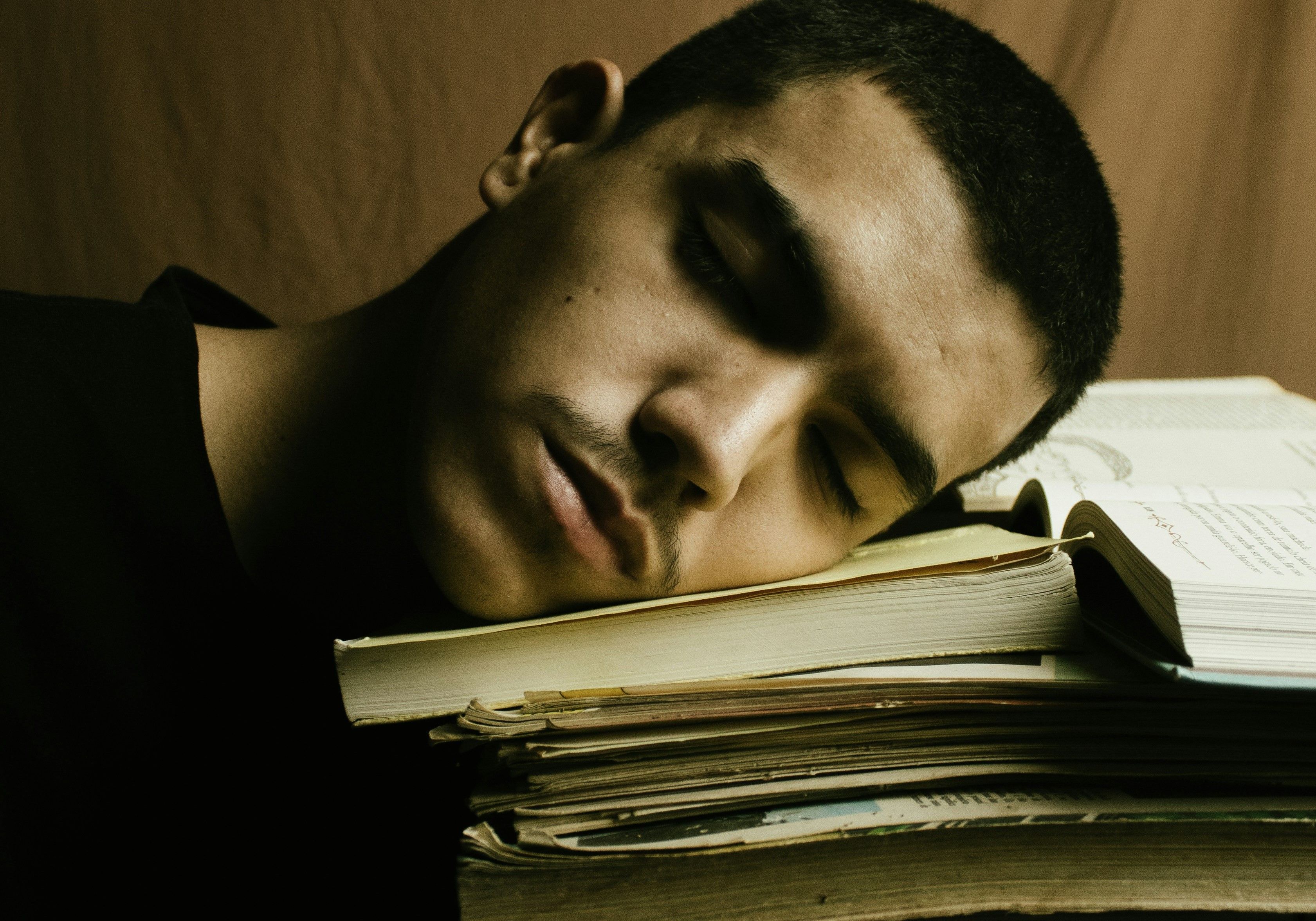
Early school start times, amplified by late-night digital media use, are key drivers of adolescent sleep deprivation. Addressing these factors could not only improve sleep duration but also reduce depression and enhance academic success. (Photo by Matheus Farias on Unsplash)
Hormonal Disruptions
Experts argue that the most important factor shaping adolescent sleep behaviour is the mismatch between teenage biology and early school schedules. During puberty, the body undergoes natural changes in its internal clock. Melatonin, the hormone that regulates sleep, is released later at night in teenagers. This makes it difficult for them to fall asleep before 11 PM, even if they try. Yet, many high schools begin classes as early as 7:30 AM.
Medical organizations such as the American Academy of Paediatrics and the American Academy of Sleep Medicine recommend that adolescents aged 13 to 18 years get 8 to 10 hours of sleep each night. They also advise that high schools start at 8:30 AM or later to align better with teenagers’ biological rhythms.
Research supports these recommendations. Two related studies found that when high schools delayed their start times by about an hour, students slept longer and reported fewer depressive symptoms compared with students in schools that did not change their schedules. These findings are important because they show that systemic changes, rather than just individual advice, can improve sleep and mental health outcomes.
However, implementing later start times has been challenging. Schools face logistical issues such as bus schedules, after-school activities, sports programs and parental work routines. As a result, despite strong evidence, widespread change has been slow.
Digital Impact
Alongside early school start times, digital media has emerged as a powerful disruptor of sleep. Smartphones, tablets and laptops have become constant companions for adolescents. A 2024 longitudinal cohort study found that using digital media in the two hours before bedtime delayed both sleep onset and wake-up times. Screen use after going to bed was linked to shorter sleep duration, especially when the activity involved interactive content like social media or gaming.
There are two main ways digital media interferes with sleep. First, exposure to blue light from screens can suppress melatonin, making it harder to fall asleep. Second, the design of many apps encourages prolonged engagement through notifications, rewards and endless scrolling. Teenagers may plan to check their phones for a few minutes but end up staying awake much longer.
Research also suggests that shorter sleep duration may partly explain the link between high screen time and depressive symptoms in early adolescence. In other words, digital media may affect mental health indirectly by cutting into sleep.
When viewed together, the findings from India and the United States tell a consistent story. Adolescents are biologically wired to sleep later, but social systems demand that they wake up early. At the same time, digital environments are keeping them awake even longer at night. The result is chronic sleep restriction, which is linked to depression, lower academic performance and daytime fatigue.
Universal Problem
The Delhi study underscores that this is not just a Western problem. Urban Indian adolescents are also experiencing significant sleep deprivation, and its connection to depressive symptoms is particularly concerning. The fact that socioeconomic status was not a major predictor suggests that sleep deprivation cuts across economic groups.
Experts now argue that improving adolescent sleep requires a systems-level approach. Parents can encourage better sleep hygiene, such as setting consistent bedtimes and limiting screen use before sleep. Schools can reconsider start times where feasible. Technology companies can design platforms that are less disruptive at night. Healthcare providers can routinely screen adolescents for sleep problems and counsel families about healthy sleep practices.
Most importantly, policymakers and educators need to recognise that sleep is not a luxury. It is a biological necessity that supports emotional stability, learning, memory and physical health. Without structural changes, simply telling teenagers to “go to bed earlier” ignores the biological and environmental realities they face.
As research from leading journals continues to accumulate, the message becomes clearer: early school start times, amplified by late-night digital media use, are key drivers of adolescent sleep deprivation. Addressing these factors could not only improve sleep duration but also reduce depression and enhance academic success. For a generation growing up in an increasingly demanding and connected world, protecting sleep may be one of the most powerful investments society can make in its future.
(Cover ohoto by Luigi Estuye, LUCREATIVE® on Unsplash)