
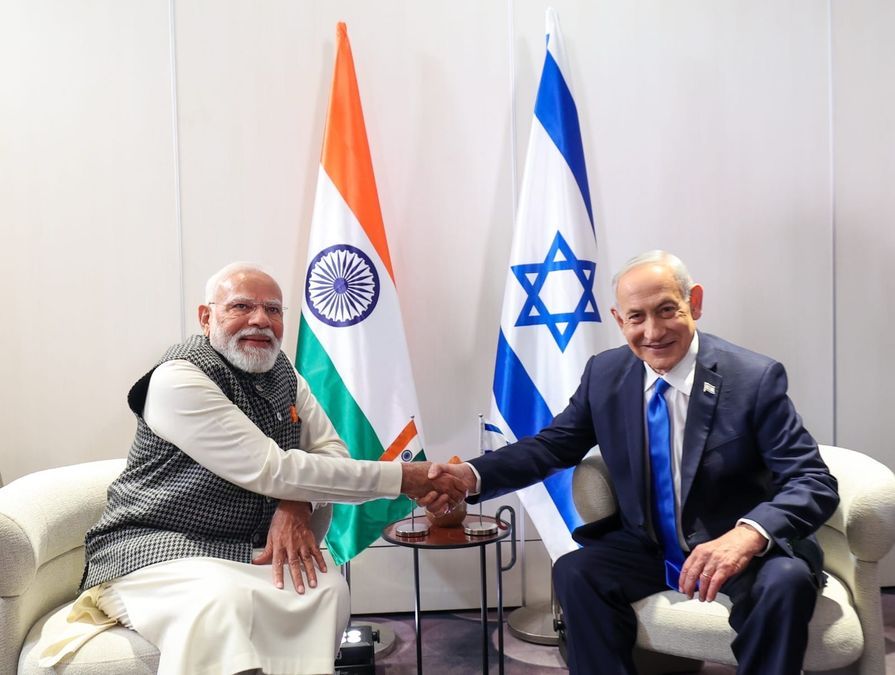

In a significant diplomatic engagement on August 6, 2026, Prime Minister Narendra Modi held a telephonic conversation with Israeli Prime Minister Benjamin Netanyahu. The dialogue, occurring against the backdrop of a volatile regional environment, focused primarily on the evolving security situation in West Asia and the continued expansion of the India-Israel bilateral relationship. As the region navigates a period of heightened tension, the exchange between the two leaders underscores the importance of the strategic communication channels maintained between New Delhi and Jerusalem.
Monitoring the West Asia Conflict
The primary focus of the discussion centered on the current "West Asia developments" and the ongoing "West Asia conflict," as reported by multiple outlets. While the specific tactical details of the military or political situation were not disclosed in the immediate readouts, the leaders reviewed the situation in depth. The call was initiated by Prime Minister Netanyahu, who sought to brief his Indian counterpart on the latest regional shifts.
The conversation highlights India’s role as a key observer and stakeholder in the stability of the Middle East. The two leaders "reviewed the West Asia situation," reflecting a shared concern over the trajectory of the conflict. However, specific mentions of ceasefire negotiations or humanitarian corridors were not present in the reported snippets; details on these specific aspects of the conversation have not been reported yet.
Reaffirming the Strategic Partnership
Beyond the immediate security crisis, the leaders utilized the call to bolster the long-standing "India-Israel Strategic Partnership." The dialogue was not limited to regional instability but extended to a comprehensive review of bilateral ties. This reaffirmation is seen as a signal of continuity in the high-level cooperation that has characterized the relationship over the last decade.
Prime Minister Modi specifically reaffirmed India’s commitment to "stronger India-Israel ties," a sentiment also reflected in media reports. The strategic partnership encompasses several sectors, including defense, technology, and agriculture, though the snippets primarily emphasize the high-level diplomatic alignment during this period of crisis. The review of bilateral ties suggests that despite regional distractions, both nations remain committed to their long-term collaborative goals.
Diplomatic Engagement and Regional Stability
The timing of the call is significant, occurring as West Asia continues to face a complex security landscape. By engaging directly with Netanyahu, Prime Minister Modi maintains India’s policy of active diplomatic involvement in regions of critical interest. The discussion on the "West Asia situation" is part of a broader pattern of communication, following similar high-level exchanges earlier in the year.
While the international community remains focused on the potential for escalation, the call between Modi and Netanyahu serves as a platform for sharing perspectives on regional stability. The emphasis on "bilateral ties" alongside "developments in the Middle East" suggests a dual-track approach: managing immediate regional threats while ensuring that the foundational elements of the India-Israel relationship remain undisturbed. Further specifics regarding any new agreements or joint initiatives resulting from this call have not been reported yet.