
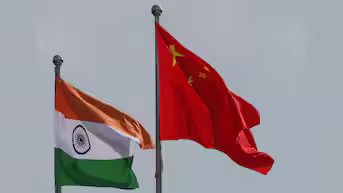

Tensions along the India-China border have flared up following New Delhi's decisive administrative action in the northeast. India has formally identified and assigned standard names to 27 geographical locations in Arunachal Pradesh. The move, which asserts sovereign mapping over the contested territory, has drawn an immediate and sharp rebuke from Beijing, setting off fresh diplomatic friction between the two Asian giants.
Beijing’s Reaction: "Illegal, Null and Void"
As reported across multiple media outlets, the Chinese government has strongly condemned New Delhi's strategy. Beijing labeled India's move to identify and name the 27 sites with standard designations as “illegal, null and void.”
According to reports, Chinese authorities have formally rejected India's 27 Arunachal names. Alongside this rejection, Beijing has renewed its aggressive territorial claims over the region, arguing that India's administrative mapping exercises threaten to complicate delicate ongoing border discussions.
The Strategic Significance of the Map Strike
The recent designation of these 27 locations is being viewed by analysts as a calculated counter-strategy against Chinese propaganda and Beijing’s historical attempts to rename regions within Arunachal Pradesh. By formally establishing standard names for these 27 places, New Delhi has effectively countered Beijing's unilateral territorial assertions.
This "map strike" directly challenges Chinese narratives on the ground, signaling that India will forcefully cement its administrative footprint in the borderlands. Rather than backing down in the face of overlapping claims, New Delhi's latest measure demonstrates an intent to institutionalize geographical sovereignty through official nomenclature.
Diplomatic Fallout and Border Talks
The timing of this naming convention has cast a shadow over bilateral diplomatic channels. Beijing maintains that India's proactive step introduces unnecessary hurdles into diplomatic and military negotiations aimed at resolving the long-standing border dispute.
With China claiming that the identification of these locations disrupts mutual consensus-building, dialogue channels face renewed strain. As diplomatic desks process Beijing’s latest objections, New Delhi's firm stance underscores a broader strategy: asserting indisputable sovereignty over Arunachal Pradesh regardless of external diplomatic pushback.