
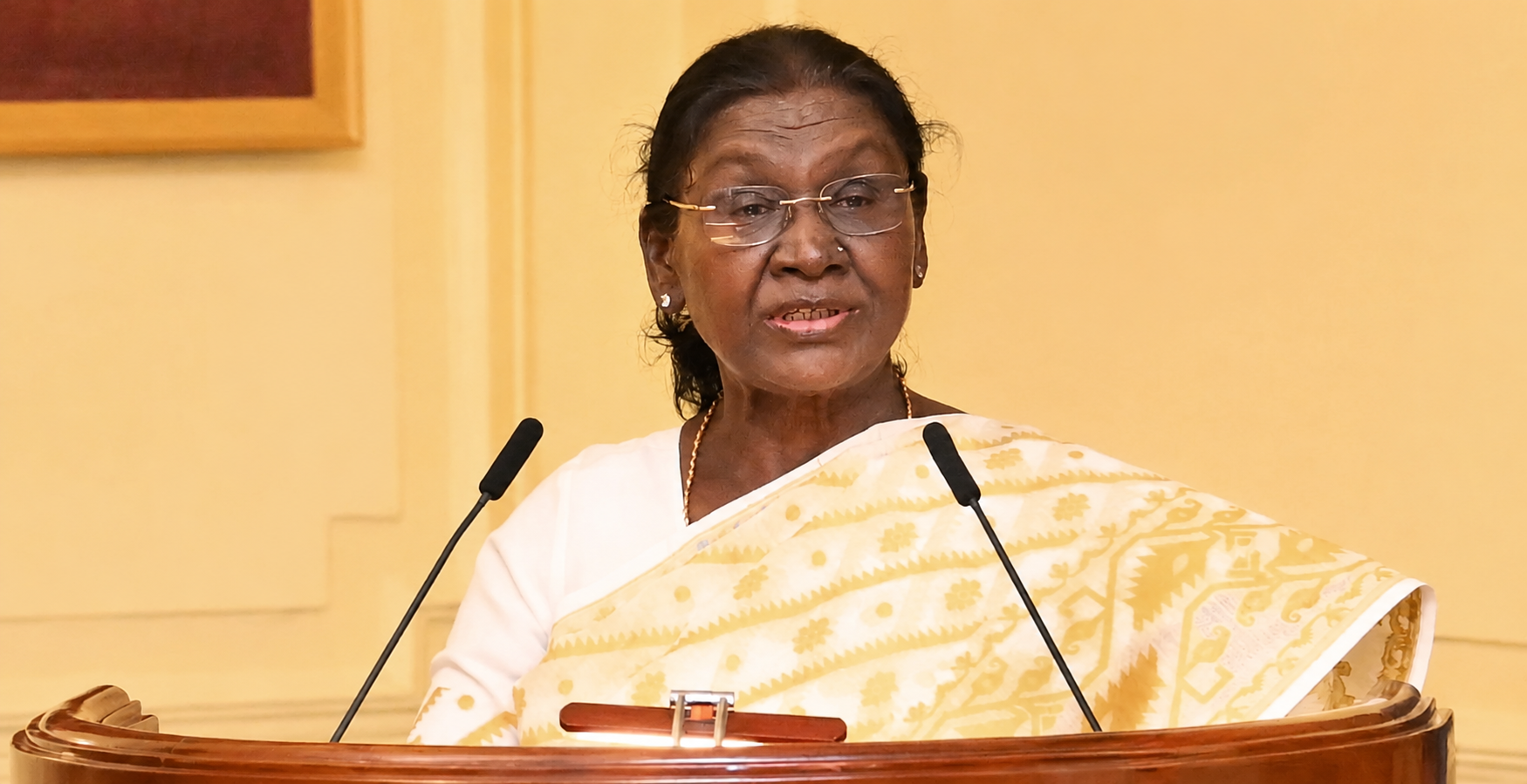

On the eve of a landmark diplomatic mission, President Droupadi Murmu is scheduled to embark on a three-nation tour of Eastern Europe starting tomorrow, July 19, 2026. This state visit, which includes Moldova, North Macedonia, and Romania, represents a significant expansion of India’s foreign policy footprint in a region increasingly vital to global supply chains and strategic partnerships.
Historic Firsts in Moldova and North Macedonia
A primary highlight of this tour is its record-breaking nature. This journey marks the first-ever visit by an Indian President to both Moldova and North Macedonia. While India has long maintained diplomatic relations with these nations, the elevation to a presidential-level visit signals a new chapter in bilateral engagement.
The itinerary specifically focuses on these three nations to solidify India's presence in Eastern Europe. For Moldova and North Macedonia, the arrival of President Murmu is expected to open doors for high-level political dialogue that has previously lacked a direct executive-level channel. This outreach is seen as a deliberate move to bridge the gap between New Delhi and the smaller, yet strategically positioned, European capitals.
Elevating Ties to a Broad-Based Partnership
The Ministry of External Affairs (MEA) has characterized the visit as a "historic" effort to move beyond transactional interactions. The MEA stated that the objective is to “elevate bilateral ties to a broad-based partnership.” This suggests that the discussions will not be limited to a single sector but will instead span across political, cultural, and technological exchanges.
The focus remains on strengthening bilateral ties through formal agreements and diplomatic discourse. By engaging with Romania alongside the two first-time visits, the President is reinforcing India's existing relationship with a key NATO and EU member, thereby creating a balanced approach to the region's diverse political landscape.
Strategic Transit and Economic Supply Chains
Beyond the diplomatic ceremonies, there is a clear economic undercurrent to the President’s mission. India views Eastern Europe as a “natural transit corridor” for businesses looking to enhance the resilience of their supply chains. As global trade routes face continued scrutiny, securing reliable pathways through Eastern Europe provides Indian exporters with a strategic alternative for reaching broader continental markets.
The visit is an act of “bridging economies.” By fostering closer ties with Moldova, North Macedonia, and Romania, India aims to create a more integrated economic framework that facilitates smoother trade and investment flows. This is particularly relevant as Indian industries look to diversify their manufacturing and distribution hubs across the European continent.