
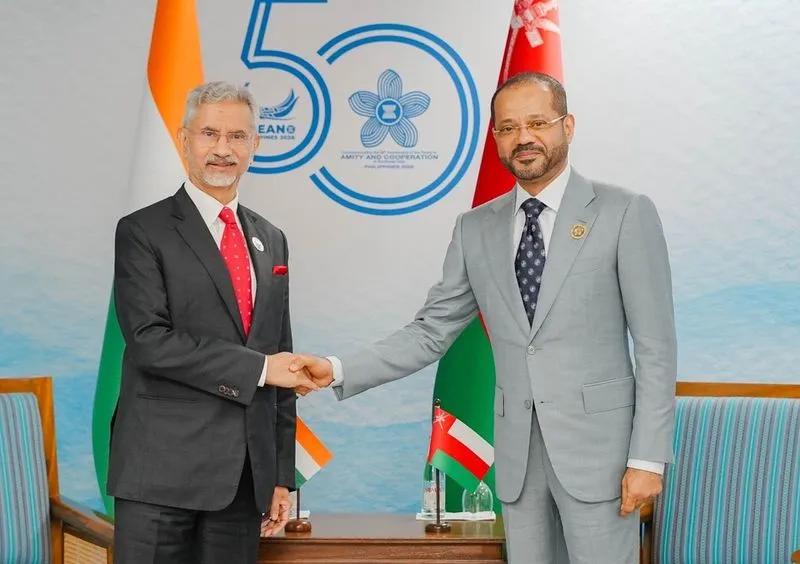

As the ASEAN ministerial meetings continue in Manila, India is significantly ramping up its diplomatic engagement with key regional and global partners. On July 24, 2026, External Affairs Minister (EAM) S. Jaishankar held a high-level meeting with his Omani counterpart to deliberate on the increasingly volatile situation in West Asia.
The meeting, held on the sidelines of the ASEAN summit, underscores New Delhi's growing reliance on its strategic partnership with Muscat to navigate the complexities of Middle Eastern geopolitics. According to the reports, the two ministers conducted a comprehensive review of the current regional security architecture, focusing specifically on the stability of West Asia.
Strategic Dialogue on West Asia
The primary focus of the discussion between Jaishankar and the Omani Foreign Minister was the "West Asia situation," a term that has become synonymous with the complex web of security and economic challenges currently facing the region. The meeting allowed both nations to align their perspectives on regional stability.
Oman has long been a critical interlocutor for India in the Gulf, often serving as a bridge between various regional factions. By engaging with Muscat during a major Asian summit, India is reinforcing its commitment to a stable and secure maritime and terrestrial environment in the Middle East, which remains vital for India’s energy security and the welfare of its large diaspora.
Broadening the Diplomatic Canvas in Manila
The engagement with Oman was part of a broader flurry of diplomatic activity for the EAM in the Philippine capital. Beyond the Gulf, Jaishankar has utilized the ASEAN sidelines to strengthen ties across multiple continents. The EAM also held bilateral talks with his counterparts from:
- Sri Lanka and Bangladesh: Focusing on neighborhood stability and regional cooperation.
- The European Union: Meeting with the EU’s Kaja Kallas to discuss inter-regional strategic interests.
- The Netherlands: Reviewing bilateral cooperation and global issues.
This multi-vector diplomacy suggests that India is positioning itself as a central node in the dialogue between the Global South, the European Union, and the strategic powers of the Middle East.
India’s Evolving Role in Regional Stability
The timing of these talks is significant. By reviewing the West Asia situation during an ASEAN-focused event, India is effectively bridging the gap between Indo-Pacific concerns and Middle Eastern stability. The discussions with Oman specifically highlight a shared interest in de-escalation and the maintenance of trade routes that are essential for both regions.
Details on the specific outcomes of the West Asia review have not been reported yet, but the frequency of these high-level interactions indicates a high level of mutual concern and a desire for coordinated diplomatic responses to regional crises. As the ASEAN summit progresses, India’s active engagement suggests a proactive stance in shaping the security narratives that affect its immediate and extended neighborhood.