
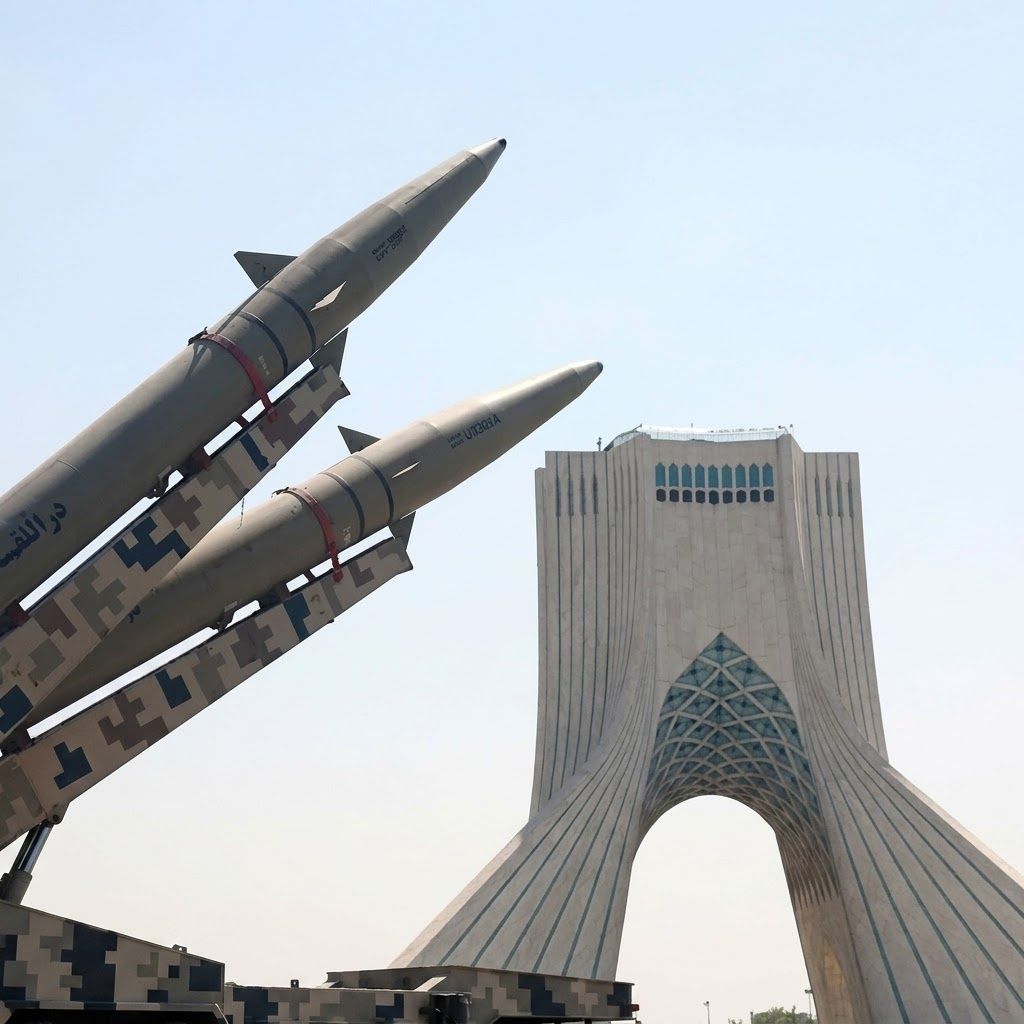

As of August 7, 2026, the geopolitical landscape in the Middle East has reached a critical juncture. Iran has issued a stark ultimatum to its neighbors in the Persian Gulf, warning of severe consequences if the United States continues its military operations in the region. This development, marks a significant escalation in tensions that threatens to destabilize global energy markets and regional security.
Targeting Global Energy Infrastructure
Central to Tehran’s warning is the potential destruction of critical energy assets. According to reports, Iran has explicitly stated it could target energy infrastructure across the Gulf states if U.S. strikes persist. This strategy appears designed to leverage the global economy’s dependence on regional oil and gas exports. By signaling that the costs of U.S. military intervention will be borne by its neighbors' most valuable economic assets, Iran is attempting to pressure regional players to withdraw their support for American military initiatives.
The "Fireball" Doctrine and Political Demands
The rhetoric from Iranian officials has turned increasingly aggressive. Tehran has warned that it will turn the entire region into a "fireball" should the U.S. launch new strikes. This escalatory language is coupled with specific diplomatic demands. Iran has urged the U.S. administration, specifically mentioning Donald Trump, to halt ongoing attacks. The use of such provocative imagery suggests that the Iranian leadership is prepared to expand the scope of the conflict beyond immediate military targets to include the broader regional environment.
Implications for Regional Neutrality
Iran is also demanding that Gulf states maintain strict neutrality. The warning serves as a direct deterrent against regional governments backing renewed U.S. strikes. The threat of retaliation is not limited to U.S. assets but extends to the Persian Gulf states themselves if they are perceived as complicit in American military actions. This places regional leaders in a precarious position, forced to balance their security partnerships with the U.S. against the immediate threat of Iranian strikes on their home soil.
The current standoff represents a volatile moment for the international community. With Iran threatening a "fireball" and the systematic targeting of energy infrastructure, the pressure on Gulf states to navigate this crisis has never been higher. As of today, August 7, the region remains on high alert for any signs of further military escalation that could trigger a wider confrontation.