
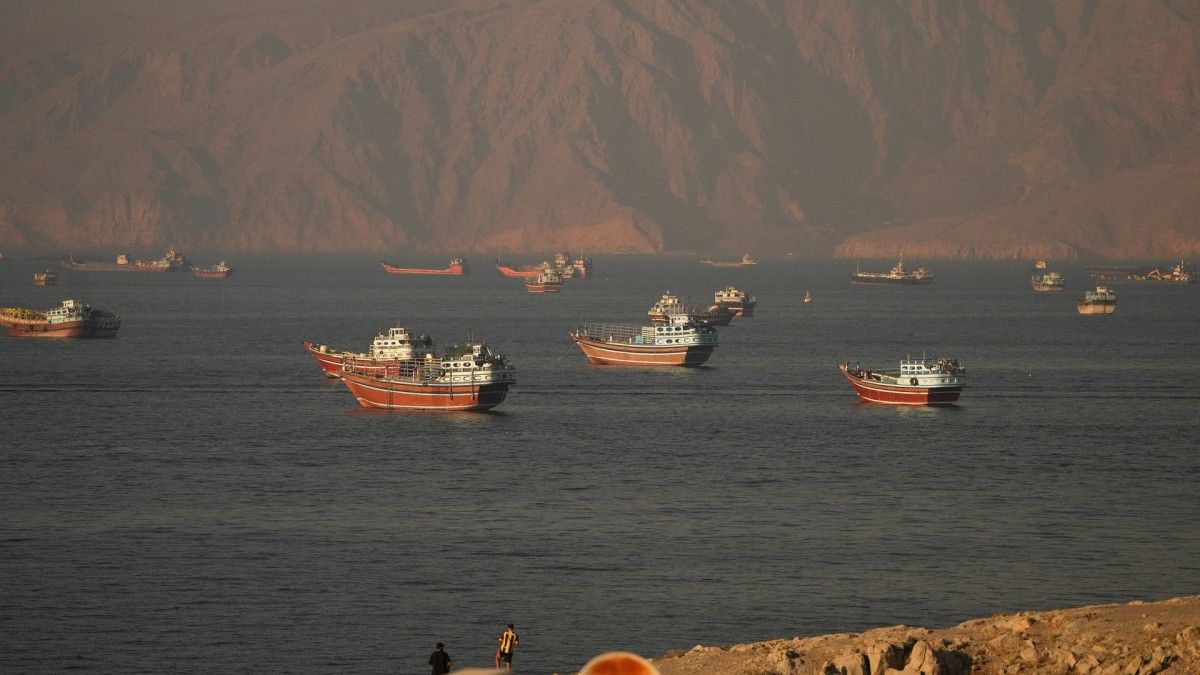

As of today, August 5, 2026, the diplomatic deadlock surrounding the world’s most critical energy transit point appears to be fracturing. Negotiations between Iran and Oman regarding the reopening of the Strait of Hormuz have entered their final stages. While the talks aim to secure a temporary reopening of the waterway, they are unfolding under a shadow of intense geopolitical pressure and a 48-hour ultimatum from the United States.
The Push for Maritime Authority
A central component of the current negotiations involves Iran’s demand for increased jurisdiction over the traffic flowing through the narrow passage. Iran is specifically seeking greater authority over inbound commercial vessels. This move is seen as an attempt to formalize Tehran’s grip on the Strait, which it has maintained throughout the recent period of heightened tension.
Iranian negotiator Abbas Araghchi has been leading the discussions with Omani officials, with sources indicating that the technical details of a shipping arrangement are nearing completion. However, the demand for oversight of inbound vessels remains a significant point of contention for international stakeholders who fear such authority could be used to disrupt global supply chains at will.
A 48-Hour Window for De-escalation
The urgency of these talks has been amplified by a direct intervention from Washington. The Trump administration has issued a 48-hour deadline for Iran to reach a settlement. The ultimatum, summarized as "make a deal or get hit hard," places immense pressure on the negotiators in Muscat to finalize the temporary shipping arrangement before the window expires later this week.
Qatar has also played a pivotal role in the diplomatic flurry. Qatari officials have confirmed that talks between the U.S. and Iran have advanced significantly, specifically targeting the reopening of the Strait. This suggests a multi-track diplomatic effort where Oman handles the regional maritime specifics while Qatar facilitates the broader political framework between Tehran and Washington.
Preventing a Broader Conflict
The primary objective of these negotiations, is to establish a "temporary" reopening to stabilize global energy markets and prevent the current maritime friction from spiraling into a full-scale war. While Iran currently retains its grip on the Strait, the advancing talks represent a concerted effort by regional and global powers to find a face-saving exit for all parties involved.
If successful, the deal would allow for the resumption of commercial shipping under a new set of protocols. However, the international community remains wary of the long-term implications of granting Iran the inbound authority it seeks. For now, the focus remains on the immediate 48-hour countdown, as the world waits to see if diplomacy can preempt a military escalation in the Persian Gulf.