
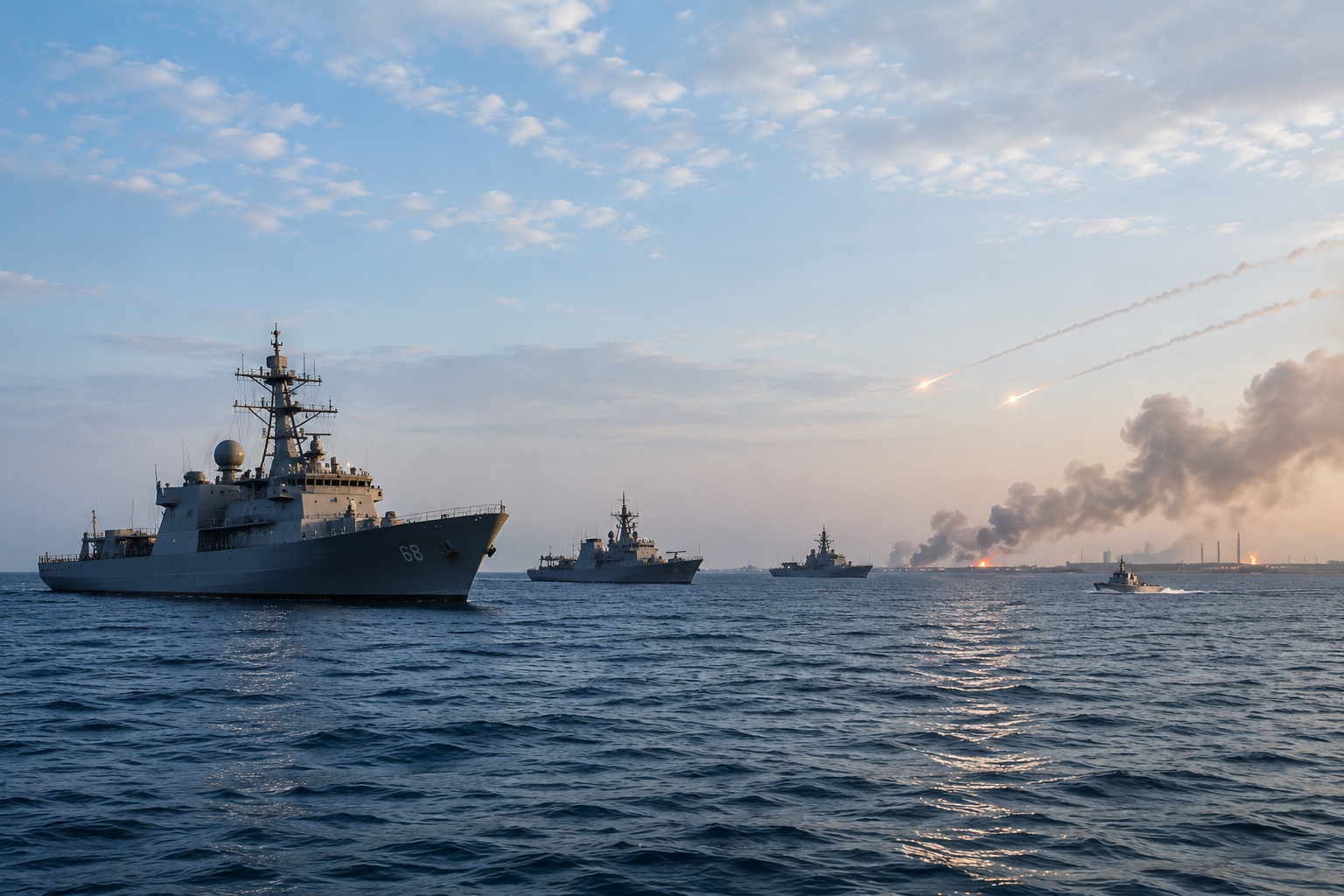

The geopolitical landscape in the Middle East has reached a critical flashpoint today, July 17, 2026, as Iran launched a series of fresh attacks against United States targets. This latest wave of Iranian retaliation follows a sixth consecutive day of intensive U.S. military strikes aimed at Iranian interests, signaling a dangerous cycle of escalation that shows no immediate sign of abating.
The Sixth Day of U.S. Operations
According to reports The United States military continued its campaign against Iranian targets for the sixth night. While the U.S. has framed these operations as necessary strikes on military assets, the Iranian government has countered with claims that the strikes are increasingly affecting non-military sites. Tehran has officially stated that recent American strikes have hit civilian infrastructure, though specific locations and the extent of the damage have not been detailed in current reports.
This sustained aerial campaign by the U.S. follows months of rising friction, with today marking a significant milestone in the duration and intensity of the current engagement. The Reuters report confirms that the sixth day of strikes was immediately met with a forceful response from Iranian forces, further narrowing the window for diplomatic intervention.
Iran’s Retaliatory Wave in the Gulf
In the early hours of Friday, July 17, Tehran shifted from a defensive posture to active retaliation. Iran launched "fresh attacks" specifically targeting U.S. facilities. The strikes have been characterized as "fresh Gulf attacks," underscoring their focus on strategic maritime routes and regional corridors hosting U.S. military assets.
While the specific nature of the weaponry used in these fresh attacks has not been fully disclosed, the coordination across multiple targets suggests a high level of preparedness from Tehran. The attacks were a direct response to the persistent U.S. strikes, aimed at demonstrating Iran's capability to project power despite the ongoing American pressure. Details on the specific locations of the targeted facilities in the Gulf have not been reported yet, but the regional impact is already being felt in global energy and security markets.
Rising Regional Security Concerns
The conflict has now entered its 139th day, underscoring the prolonged and escalating nature of the regional crisis. The escalation has moved beyond isolated skirmishes into a consistent pattern of high-stakes military exchanges. The situation is further complicated by ongoing disputes over the release of an American citizen, adding a layer of diplomatic friction to the military confrontation.
However, Iran had been targeting military bases as the U.S. launched its initial wave of strikes, but the shift to "fresh attacks" on Friday suggests an expansion of the theater of operations. With both sides stepping up their military activities, the risk of miscalculation remains at an all-time high, especially as Tehran continues to vow further retaliation for any damage sustained to its infrastructure.