
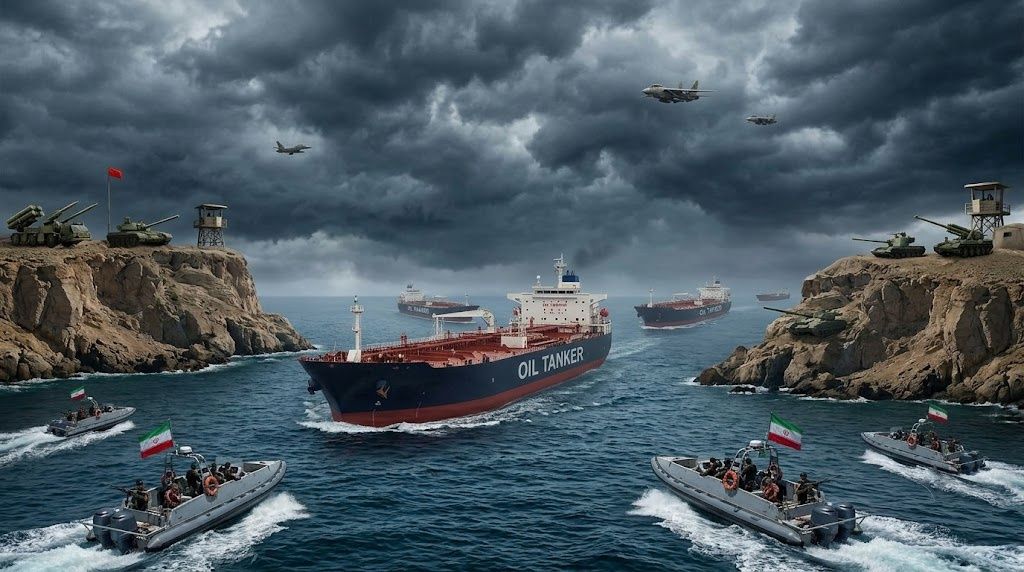

The geopolitical landscape governing vital global energy corridors shifted dramatically today as Tehran announced that the reopening of the Strait of Hormuz depends directly on Washington accepting several Iranian demands. According to reports, Iran has tied the resumption of normal maritime traffic through the vital chokepoint to U.S. concessions on multiple fronts, signaling that the strategic waterway will remain under sustained pressure.
Demands and Washington's Response
Iran has outlined specific conditions tied to the closure, demanding that Washington change its behavior and meet a set of prerequisites. This stance ensures that the Strait of Hormuz will stay closed while the international community watches how Washington tests these commitments on the ground. The demands reflect a hardline approach from Tehran, leveraging control over one of the world's most critical oil transit routes to extract diplomatic and strategic concessions from the United States.
Fallout on Global Energy Markets and Regional Security
The ongoing closure and Tehran's rigid positioning have immediate ramifications for global trade and energy security. Financial and commodity markets have already registered the shock: Dow Futures fell by 127 points, while Brent crude prices surged to trade above $84 a barrel. The economic pressure is compounded by broader regional instability. Concurrent security incidents, such as Houthi strikes hitting Aramco and Mocha, have further exacerbated anxieties surrounding global oil supplies and maritime commerce.