
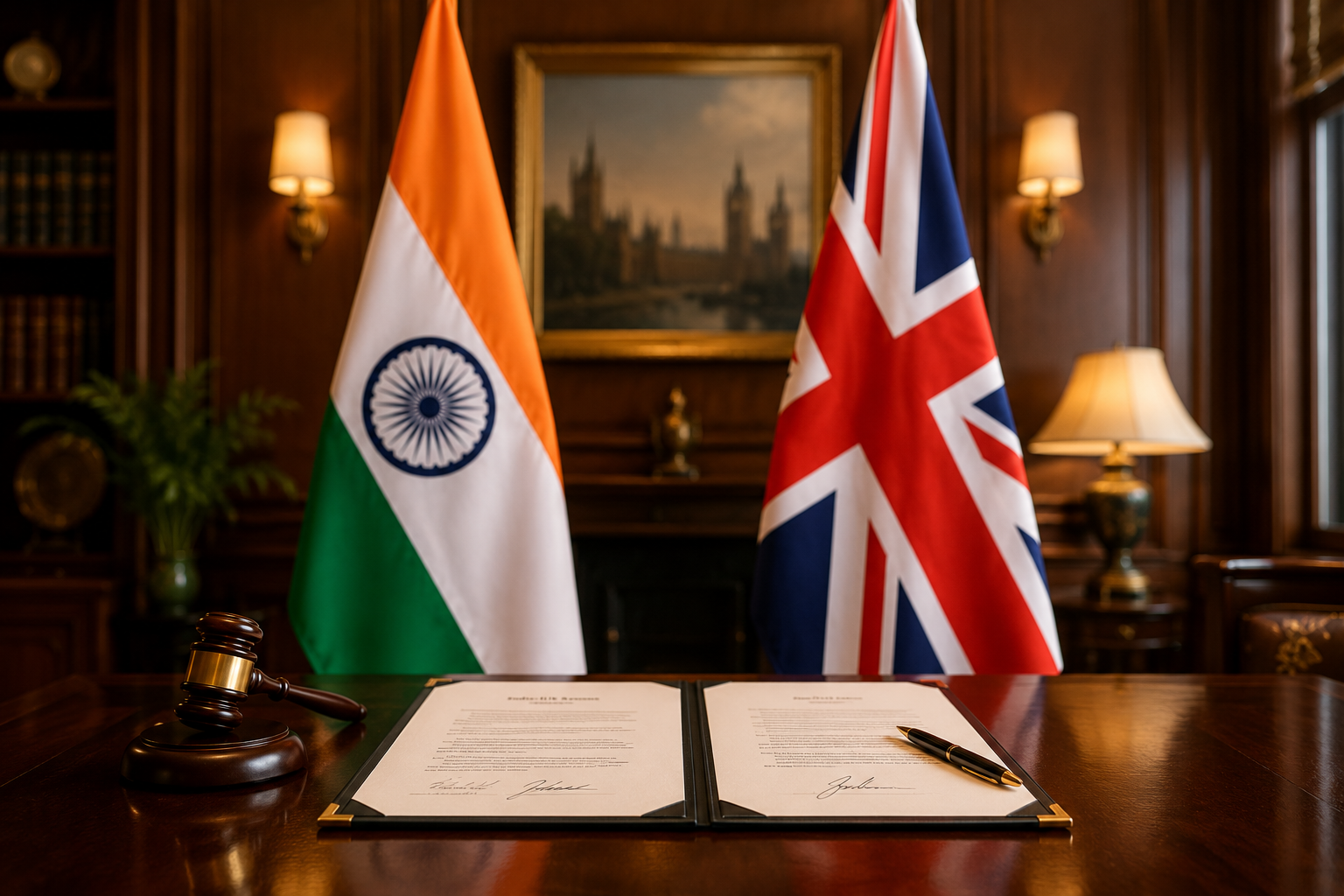

Tomorrow, July 15, 2026, marks a transformative milestone in the economic partnership between New Delhi and London as the India–UK Free Trade Agreement (FTA) officially comes into force. The implementation of this landmark deal, also referred to as the Comprehensive Economic Partnership Agreement (CETA), follows years of negotiations and the recent notification of trade rules earlier this month.
For businesses across both nations, the start of this agreement signals a significant shift in market dynamics. By removing long-standing trade barriers, the pact is designed to accelerate bilateral commerce and deepen the strategic ties between the world’s fifth and sixth-largest economies.
Zero-Duty Access for Indian Exports
One of the most significant provisions of the agreement is the immediate impact on Indian manufacturers and exporters. The FTA will provide zero-duty access for all Indian exports to the United Kingdom starting tomorrow. This move is expected to provide a substantial competitive advantage to Indian goods in the British market, which have previously faced various tariff hurdles.
Industries such as textiles, which are major contributors to India's export basket, are set to be primary beneficiaries. By eliminating duties, the agreement allows Indian products to be priced more competitively against other global suppliers, potentially leading to a surge in export volumes and helping India achieve its ambitious global trade targets.
Cheaper British Imports and Tariff Reductions
While Indian exports gain duty-free entry into the UK, the agreement also facilitates easier access for British goods entering the Indian market. The deal is set to make British products significantly cheaper for Indian consumers.
A key highlight of the tariff schedule includes substantial duty cuts on iconic British exports. Notable products receiving these cuts include:
- Scotch Whisky: Long a point of contention in trade talks, high tariffs on British spirits are being reduced.
- Textiles: High-quality British fabrics and apparel will see lower entry costs.
- Consumer Goods: A broad list of products will benefit from the new tariff structures notified on July 5.
These reductions are expected to not only benefit consumers but also provide Indian industries with cheaper access to high-quality British inputs and machinery.
A Triumph for Bilateral Trade Diplomacy
The activation of the CETA is being hailed by analysts as a "triumph for bilateral trade diplomacy,". The final steps toward implementation began in earnest earlier this month, with the official rules being notified on July 5, 2026, to ensure a seamless transition for customs authorities and businesses by the July 15 deadline.
Beyond the immediate fiscal impact of duty cuts, the agreement establishes a structured framework for resolving trade disputes and aligning regulatory standards. For the UK, this represents a major post-Brexit success in the Indo-Pacific region. For India, it serves as a critical component of its broader strategy to sign comprehensive trade deals with developed economies. As the clock strikes midnight, the focus shifts from diplomatic negotiation to commercial execution, as both nations look to capitalize on this new era of economic integration.