

New Delhi: India has intensified monitoring and emergency preparedness measures across airports, seaports and the healthcare system after the World Health Organization (WHO) declared the Ebola outbreak in parts of Central Africa a Public Health Emergency of International Concern (PHEIC). Officials said the steps are precautionary and aimed at preventing any potential spread of the disease into the country, even though no infection has been detected in India so far.
A high-level review meeting was convened on Monday by the Union health ministry, bringing together experts and officials from the National Centre for Disease Control (NCDC), Integrated Disease Surveillance Programme (IDSP), Indian Council of Medical Research (ICMR) and other departments to evaluate the global situation and strengthen response mechanisms. Senior officials discussed the preparedness of hospitals, laboratories, rapid response teams and airport health units to ensure that any suspected case can be identified and isolated without delay.
Authorities clarified that India has not detected any Ebola infection and that the overall threat to the country currently remains low. However, health agencies are maintaining close watch over developments in the Democratic Republic of Congo (DRC) and Uganda, where cases linked to the Bundibugyo strain of the Ebola virus have been reported. The WHO’s emergency declaration has prompted several countries to review their own preparedness plans amid concerns over international travel and cross-border transmission.
Health officials noted that the Bundibugyo strain is considered particularly concerning because no fully approved vaccine or targeted treatment currently exists for it. While experimental vaccines and therapies are being studied, experts say supportive medical care and early detection remain the most effective tools to control fatalities and reduce transmission. International health agencies are also worried about the possibility of the virus spreading across borders due to population movement, porous boundaries and healthcare limitations in affected regions.
To enhance readiness, the Centre has started reviewing and updating guidelines related to passenger screening, disease surveillance, quarantine protocols and treatment procedures. Laboratory capacity is also being expanded to ensure rapid testing and confirmation of suspected infections. The National Institute of Virology (NIV) in Pune has been designated as the primary testing facility for Ebola samples, while additional laboratories are expected to be integrated gradually to strengthen nationwide preparedness.
The government has also increased coordination among various ministries, immigration authorities, airport operators and state administrations to track international travellers arriving from regions affected by the outbreak. Thermal screening systems and health monitoring protocols are being reviewed at major points of entry. Isolation wards and quarantine facilities at airports and ports have been placed on standby to handle any suspected cases if needed.
According to health experts, Ebola spreads through direct contact with bodily fluids of infected individuals and can cause severe illness with a high fatality rate. Symptoms often include fever, weakness, vomiting, diarrhoea and internal bleeding in severe cases. Concerns have also been raised internationally over delayed detection of infections and the vulnerability of healthcare workers in outbreak-hit areas, especially where medical infrastructure is already under strain.
The Union health ministry urged people not to panic or share unverified claims on social media, emphasizing that India’s disease surveillance and emergency response systems are fully alert and prepared. Officials stressed that misinformation during health emergencies can create unnecessary fear and disrupt public health efforts.
Officials pointed out that India had successfully managed earlier Ebola-related global alerts, including those in 2014 and 2019, without reporting a single domestic case. They added that the country continues to remain in close touch with WHO and other international public health agencies for timely updates, scientific guidance and coordinated action as the situation in Central Africa evolves.
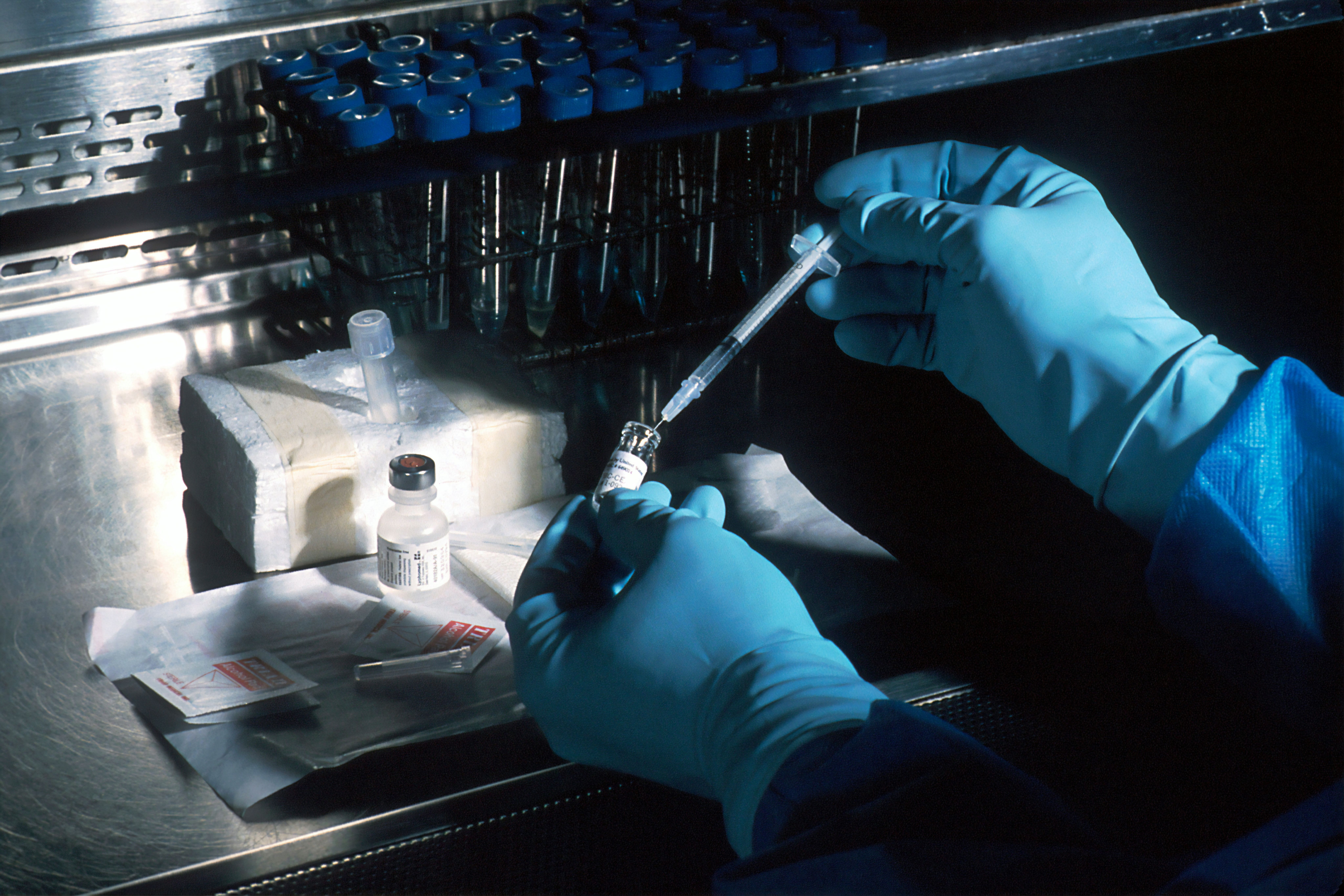
(Cover photo by National Cancer Institute on Unsplash)