
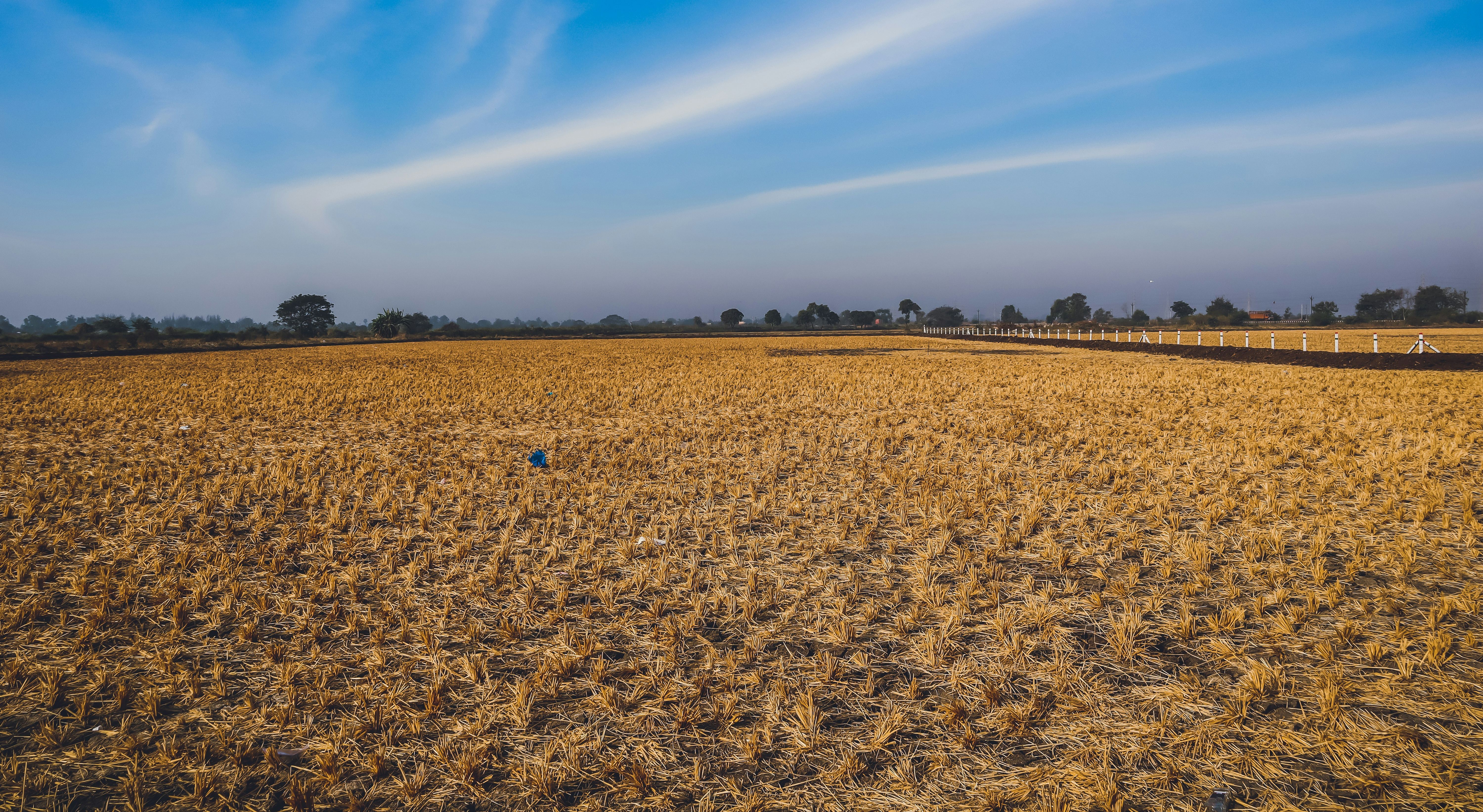

New Delhi: India’s southwest monsoon has made one of its weakest starts in years, turning what is usually a seasonal weather update into a critical economic warning. With nationwide rainfall about 38% below normal between June 1 and June 17 and the monsoon’s advance stalling across large parts of the country, the consequences are extending well beyond agriculture.
Delayed rains are threatening Kharif sowing, keeping temperatures elevated, increasing electricity demand and raising concerns over food inflation and industrial water availability. As developing El Niño conditions strengthen, businesses and policymakers are increasingly watching the skies as closely as they track commodity prices and economic indicators.
The southwest monsoon has faltered after its initial onset, leaving large parts of central, eastern and northeastern India with rainfall deficits ranging from 43% to 63%, according to IMD data. In West Bengal, the contrast is particularly striking. While sub-Himalayan districts have received adequate rainfall, southern parts of the state, including capital Kolkata, continue to endure prolonged summer heat and a significant precipitation shortfall.
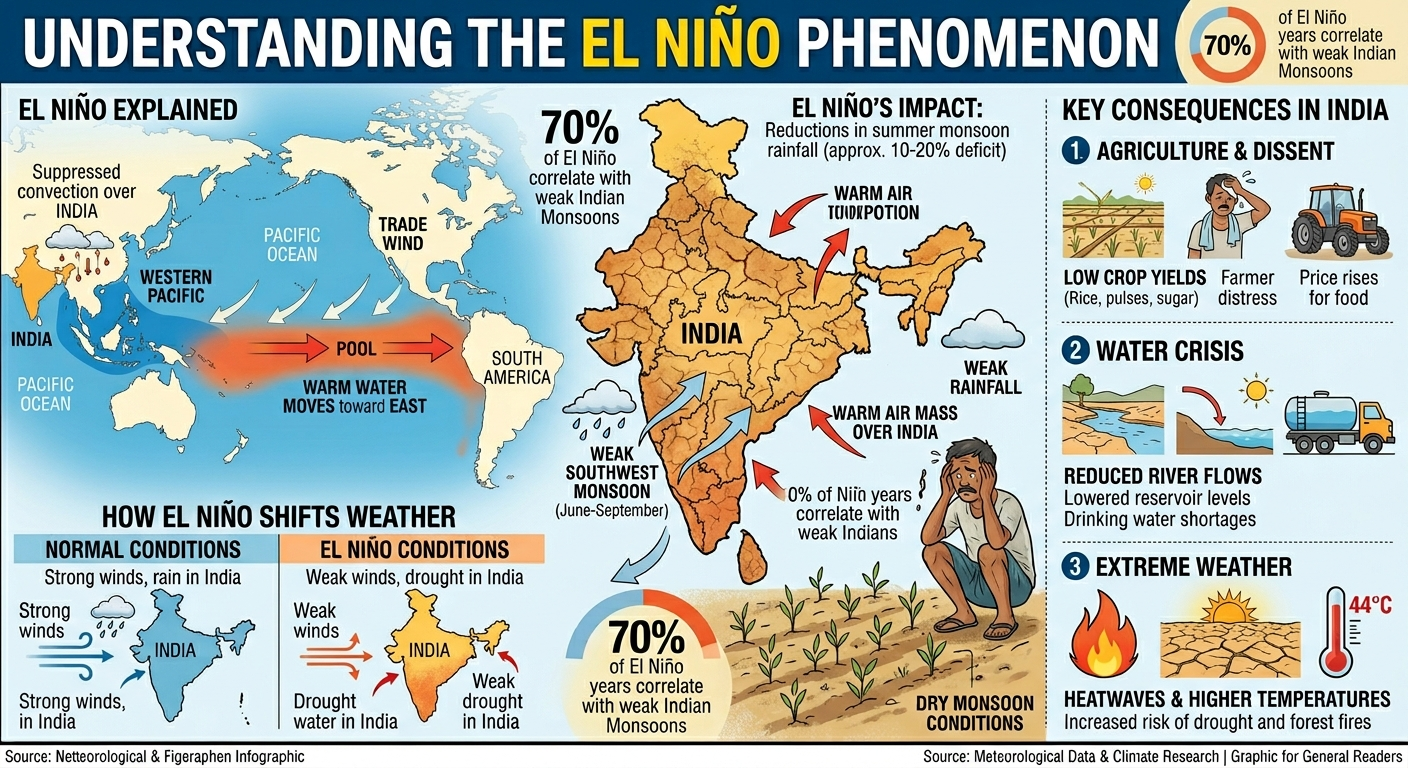
Meteorologists attribute the slowdown to an unusual combination of unfavourable atmospheric conditions. Developing El Niño conditions over the Pacific are weakening the monsoon circulation. The Madden-Julian Oscillation, a major driver of tropical rainfall, has remained subdued, while dry westerly winds have restricted moisture transport across the subcontinent. At the same time, the Somali Jet, a low-level wind system that channels moisture from the Arabian Sea, has remained weaker than normal. The neutral phase of the Indian Ocean Dipole has also failed to provide the additional support that often offsets the adverse effects of El Niño.
Dr M Ravichandran, Secretary, Ministry of Earth Sciences, has said that the southwest monsoon is likely to be around 90% of the Long Period Average this year, with El Niño conditions expected to strengthen during the season. IMD Director General Dr Mrutyunjay Mohapatra has also indicated that June rainfall is likely to remain below normal over much of the country.
The concern is not simply about the cumulative rainfall deficit. Agriculture and water management depend heavily on the timing and spatial distribution of rainfall. Even if seasonal totals eventually improve, a delayed and uneven monsoon can inflict substantial economic costs.
Farms Under Pressure
The first and most immediate impact is being felt in agriculture. The Kharif sowing season depends on timely rainfall to support crops such as rice, pulses, maize, cotton, soybean and sugarcane. Delayed rains force farmers to postpone planting, switch to less water-intensive crops or rely on costly irrigation.
Ashwini Bansod, Vice President for Commodities Research at Phillip Capital India, has observed that below-normal rainfall could affect early sowing of pulses, cotton, edible oilseeds and coarse grains, while rain-fed paddy cultivation could also face disruptions in non-irrigated areas.
Nearly half of India’s net sown area remains dependent on rainfall. A prolonged monsoon deficit could reduce crop yields, increase cultivation costs and weaken rural incomes. Lower agricultural production would also have implications for food prices. Rice, pulses, vegetables and edible oils are particularly vulnerable to weather disruptions, potentially complicating the inflation outlook for policymakers.
The effects could spread through the rural economy. Demand for tractors, two-wheelers, fertilisers, agricultural equipment and fast-moving consumer goods often tracks farm incomes. Weak rainfall and uncertain crop prospects can dampen discretionary spending in rural markets, affecting sectors that have increasingly relied on villages and small towns to drive growth.
Reservoir replenishment is another emerging concern. Lower rainfall during the early monsoon period can reduce water storage, affecting irrigation in later months and limiting water availability for both agriculture and industry.
Factories Feel Heat
A weak monsoon is increasingly becoming a business risk because of the interconnected nature of India's economy. Agriculture may account for a smaller share of GDP than services and manufacturing, but it remains a key driver of consumption, employment and inflation.
Persistent heat and delayed rains have pushed up electricity demand for cooling, increasing pressure on the power sector. Lower reservoir levels could affect hydropower generation, while thermal power plants may face challenges related to cooling water availability in water-stressed regions. Water-intensive industries such as steel, cement, chemicals, textiles and food processing could also experience operational constraints if rainfall deficits persist.
Mining activity and inland transportation may also be affected by lower water availability, while reduced agricultural output could increase imports of edible oils and pulses and influence government decisions on food exports. Commodity markets are already sensitive to weather developments, with traders closely tracking the progress of the monsoon for clues on crop production and inflation trends.
The broader macroeconomic implications are equally significant. Food inflation can influence interest rate expectations and household spending patterns. Lower rural incomes can weaken consumption demand, while higher electricity use and irrigation costs can increase input prices across sectors. For businesses ranging from consumer goods companies to automobile manufacturers, the monsoon remains one of the most important variables shaping annual sales.
The larger challenge is that India’s climate risks are becoming more frequent and more economically intertwined. Heatwaves, erratic rainfall and delayed monsoons are no longer isolated weather events but overlapping pressures that can amplify each other’s impact on agriculture, energy and industry.
The monsoon still has time to recover. July and August typically account for the bulk of seasonal rainfall, and historical data show that early deficits can narrow substantially. But if El Niño conditions intensify and the atmospheric systems suppressing rainfall remain in place, India's weak monsoon could evolve from a meteorological concern into a broader economic challenge, testing the resilience of farms, factories and financial markets alike.
(Cover photo by Harsh Bhatt on Unsplash)