

New Delhi: The Union Cabinet has approved a one-time ₹10,000 crore budgetary support package for state-run oil marketing companies (OMCs), unveiling a major intervention aimed at cushioning Indian airlines from the unprecedented surge in aviation turbine fuel (ATF) prices triggered by the ongoing West Asia conflicts.
The support, structured as an interest-free advance through the Ministry of Petroleum and Natural Gas, will create an ATF Price Stabilisation Fund designed to provide greater certainty in fuel pricing for scheduled Indian airlines operating both domestic and international services. The mechanism comes as jet fuel costs have soared to record levels, threatening airline profitability, forcing capacity cuts and fuelling sharp increases in airfares.
The crisis has its roots in the disruption of global energy supply chains following the escalation of hostilities in West Asia and the closure of the Strait of Hormuz. International ATF prices have surged nearly 2.5 times, rising from ₹60.50 per litre in March 2026 to ₹142 per litre in May 2026, a jump of almost 135%. Given that fuel typically accounts for around 40% of an airline’s operating costs — and can climb to as much as 60% during periods of extreme volatility — the impact on the aviation sector has been severe.
Under the approved framework, OMCs will be compensated whenever prevailing international ‘import parity prices’ exceed a benchmark level determined under the stabilisation mechanism. The arrangement is intended to shield both airlines and fuel retailers from the financial shock of elevated global fuel prices. Importantly, the support is prospective and will not cover losses already incurred by OMCs.
The government has also built in a recovery mechanism. Once international ATF prices moderate, the differential amount paid out under the scheme will be recovered from OMCs and returned to the Consolidated Fund of India. The support structure will remain operational until the entire advance is recovered and reconciled.
For airlines, the biggest benefit lies in fuel cost predictability. The scheme introduces a fixed-price arrangement for ATF procurement across domestic and international operations, helping carriers plan schedules, pricing and capacity deployment with greater confidence. All willing scheduled Indian airlines will be eligible to participate, while foreign carriers will remain outside the ambit of the programme.
The arrangement will be governed through a memorandum of understanding (MoU) between participating airlines and OMCs, with the Ministries of Civil Aviation and Petroleum and Natural Gas serving as signatories. In return for receiving the benefit of stabilised fuel prices, participating airlines will be required to procure ATF exclusively from OMCs for up to three years. The arrangement will be subject to annual review and may end earlier if the advance amount is fully recovered.
The aviation industry has been grappling with a combination of fuel inflation and operational disruptions. Indian carriers continue to purchase fuel for international operations at import parity prices, leaving them highly exposed to global market volatility. At the same time, the closure of Pakistan’s airspace to Indian airlines has forced longer routes to Europe, North America and Central Asia, increasing fuel burn and operating costs.
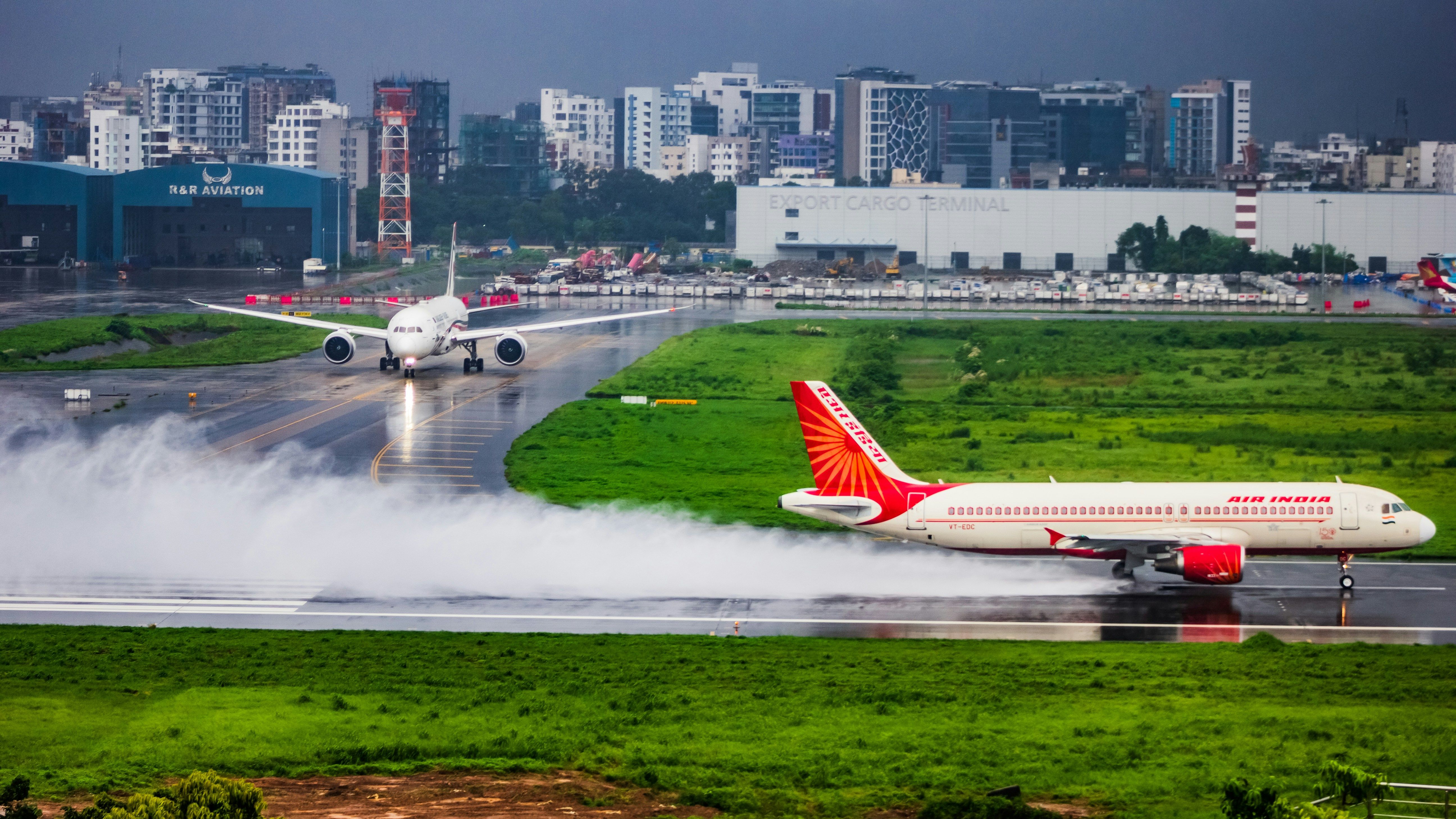
Among the worst affected has been Air India, the country’s only airline with a significant long-haul network to Europe and North America. The carrier is expected to operate roughly 27% fewer international flights during the June-August period compared with the same period last year. Domestic operations have also been reduced by around 27% from April-May levels. Longer routings due to airspace restrictions and disruptions across Gulf transit corridors have further compounded the airline’s cost pressures.
OMCs, meanwhile, have been selling ATF for domestic operations at a loss, with under-recoveries estimated at nearly ₹30 per litre. They have simultaneously been absorbing losses on petrol, diesel and household cooking gas, raising concerns about the sustainability of existing pricing arrangements.
Implementation of the stabilisation programme will be overseen by a monitoring committee comprising representatives from the Ministry of Civil Aviation, the Ministry of Petroleum and Natural Gas, and the Department of Expenditure. All claims, recoveries and settlements will be subject to audit.
The government expects the initiative to help moderate fare volatility, sustain domestic and international air connectivity, support regional routes including those under the UDAN scheme, and protect employment across aviation-linked sectors such as airports, maintenance, ground handling, logistics, tourism and hospitality. By preserving connectivity and reducing exposure to fuel price shocks, the ₹10,000 crore intervention seeks to provide a critical buffer for India’s aviation sector during one of the most turbulent periods in global energy markets.
(Cover photo by Bornil Amin on Unsplash)