
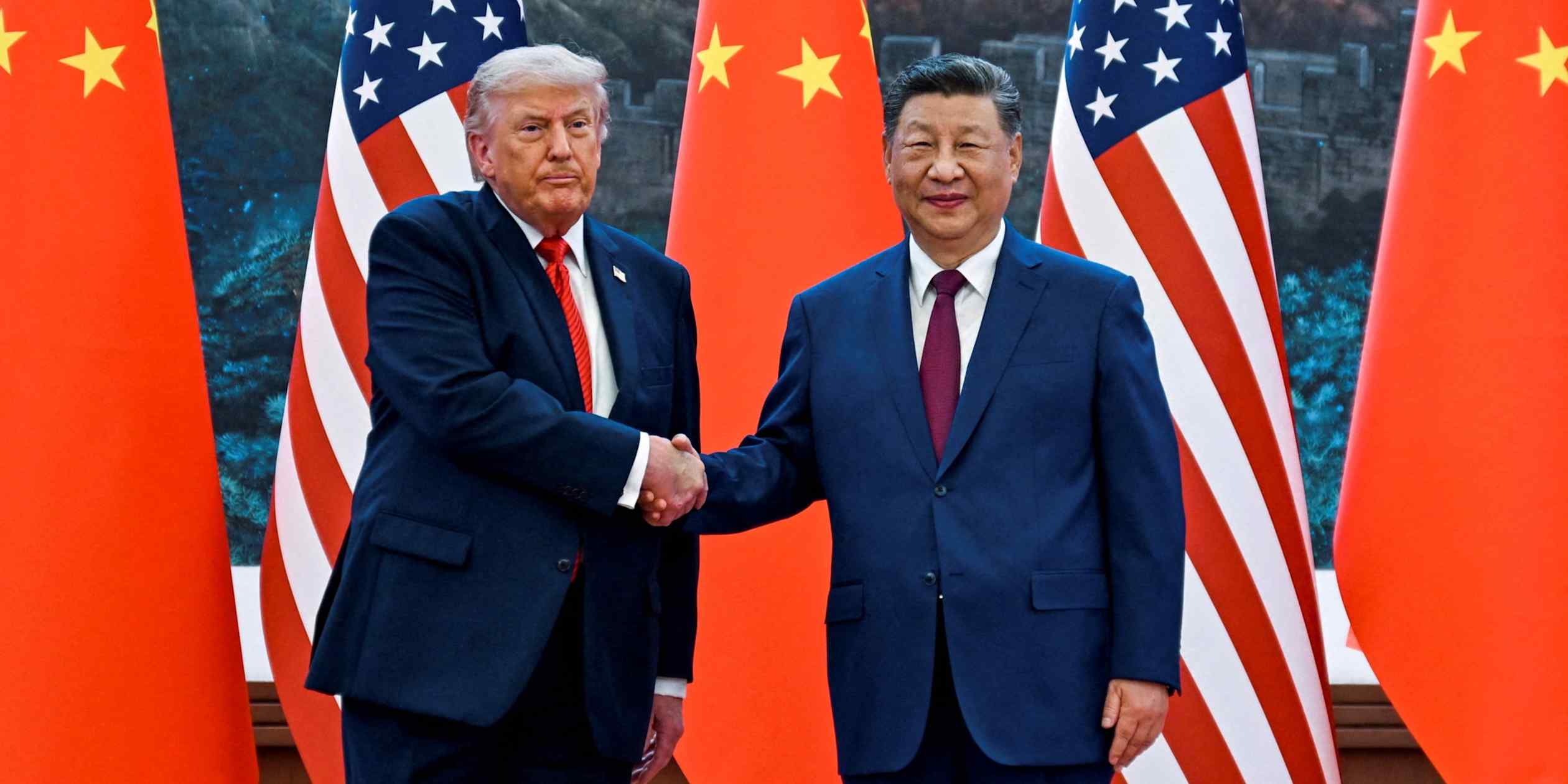

Chinese President Xi Jinping has arrived in the United States for a historic state visit with President Trump, placing bilateral ties and pressing international flashpoints center stage. The high-profile trip, running from September 23–25, comes as the Trump administration seeks high-level engagement with Beijing to address a complex web of diplomatic challenges.
According to reports, the two leaders are looking to secure stability despite tensions flaring across multiple critical fronts, including artificial intelligence, trade, and Iran.
Flashpoints in Trade, Technology, and Regional Security
The backdrop of the summit is defined by fierce structural competition. Issues surrounding advanced technology, specifically AI, alongside long-standing trade disputes and the situation in Iran, have intensified friction between Washington and Beijing.
Concurrently, broader geopolitical pressures are mounting. Ahead of the summit, Beijing has sought German assistance to help stave off potential European Union trade sanctions. This diplomatic outreach underscores China’s strategy to secure economic buffers on multiple fronts while managing its pivotal relationship with the United States.
Broader Geopolitical Context
The diplomatic engagement in Washington also intersects with active developments in the Middle East. Recent reporting indicates that while the Trump administration navigates tensions involving Iran with U.S. Treasury chief Bessent announcing that Iranian airlines are slated to be shut down on September 23 Iran has simultaneously offered conditions for talks and an end to the ongoing conflict.
As President Xi begins his engagements in Washington, the outcomes of these high-level discussions will likely ripple across global markets and security frameworks. Both sides face the delicate task of balancing strategic competition with the imperative of maintaining diplomatic guardrails.