
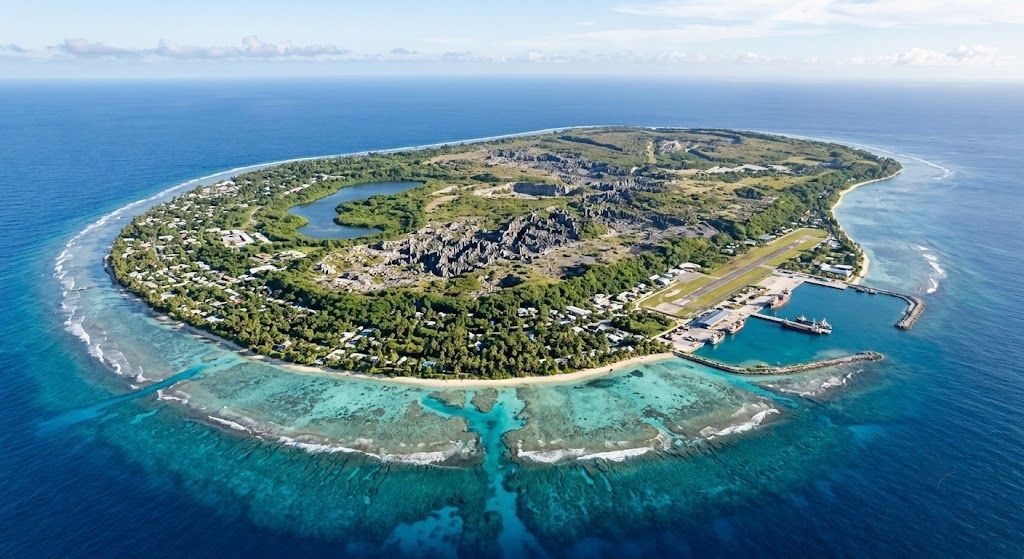

As of today, August 5, 2026, the international community is formalizing a significant change in the Pacific. The nation formerly known as Nauru has officially transitioned to its traditional indigenous name, the Republic of Naoero. This historic move, which has unfolded over the past 48 hours, marks a definitive step in the country's efforts to reclaim its cultural heritage and distance itself from its colonial history.
The decision to adopt the name Naoero is rooted in a desire to shed the remnants of a colonial past. For the world’s third-smallest country, this is not merely a linguistic change but a profound assertion of sovereignty and indigenous pride.
From Colonial Legacy to Indigenous Roots
The transition to Naoero represents a broader movement within the Pacific to prioritize native identity over names imposed during the colonial era. The reclaiming of the native name is a "historic move" for the island nation. The name 'Nauru' had long been the recognized international standard, but it did not fully reflect the linguistic and cultural history of the local population.
By officially adopting the Republic of Naoero, the government aims to strengthen its cultural identity. Analysts suggest that such moves are often motivated by a need to preserve heritage in an increasingly globalized world. The shift is a primary vehicle for shedding a colonial past that many residents feel no longer represents the modern or historical reality of the island.
Technical Shifts: NRU to NRO
The name change is not limited to diplomatic rhetoric; it involves significant technical updates to international standards. The world's third-smallest country is also updating its official country code. The previous ISO code, NRU, is being replaced by NRO to align with the new name.
This administrative shift affects everything from aviation and shipping logs to digital databases and international sporting registrations. The name change took effect following official decrees, ensuring that the Republic of Naoero is now the recognized title in all formal capacities. While the physical borders of the 21-square-kilometer nation remain the same, its digital and diplomatic footprint is being entirely rebranded.
A Small Nation with a Large Cultural Footprint
Despite its status as one of the smallest sovereign states on Earth, Naoero’s decision resonates globally. The nation is asserting its right to self-definition. The process of renaming is a complex undertaking for any state, involving the notification of international bodies like the United Nations and various postal and telecommunications unions.
Details on the specific timeline for the full replacement of currency or passports have not been reported yet, but the official recognition of the name is now complete. The move follows a trend of several nations in the Global South revisiting their official titles to better reflect indigenous languages and pre-colonial histories.