
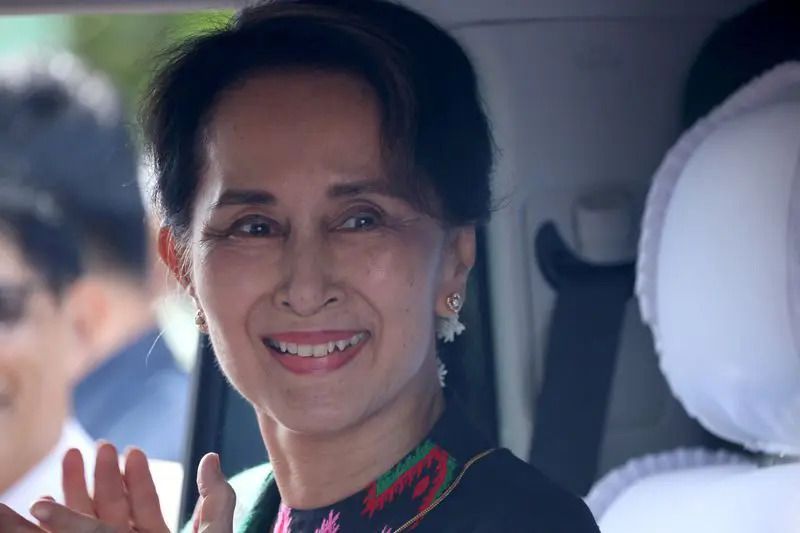

On August 3, 2026, Myanmar’s military government announced that the detained former leader, Aung San Suu Kyi, held a meeting with a senior official from the International Committee of the Red Cross (ICRC). This interaction represents a significant, if isolated, moment of international access to the Nobel laureate, who has remained largely cut off from the outside world since her detention began following the military coup.
A Rare Breach of Isolation
According to reports, the meeting took place in a context where public contact with Suu Kyi is extremely limited. This encounter is characterized as a "rare public contact" with an international humanitarian body. Since the military takeover, Suu Kyi’s access to legal counsel, family, and international observers has been strictly regulated by the ruling junta, making any confirmed meeting with an external organization a matter of global interest.
Health Concerns and Humanitarian Access
While specific details of the conversation remain undisclosed, the timing of the meeting is notable. The interaction occurred "amid health concerns" regarding the former State Counsellor. Suu Kyi, who is now 81 years old, has faced various reports of deteriorating health during her prolonged detention, though the military government has rarely provided detailed updates on her condition.
The ICRC traditionally focuses its mandates on the welfare of detainees and the monitoring of conditions in places of confinement. This suggests that the discussion likely centered on Suu Kyi’s physical well-being and the humanitarian standards of her current environment. The government confirmed the meeting took place, but did not elaborate on the specific health outcomes or requests made during the session.
Diplomatic Signaling and International Scrutiny
The meeting was announced through official channels, including the president's office, in what may be seen as a diplomatic signal to the international community. By allowing a high-profile humanitarian organization to meet with Suu Kyi, the military government may be attempting to mitigate persistent international pressure and criticism regarding her status.
However, it remains unclear whether this meeting signals a broader shift in policy or a one-off concession to humanitarian observers. The government’s confirmation of the meeting underscores the continued relevance of Suu Kyi as a central figure in Myanmar's political landscape, even while she remains in custody. Further details on the frequency of such visits or future access have not been reported yet.