
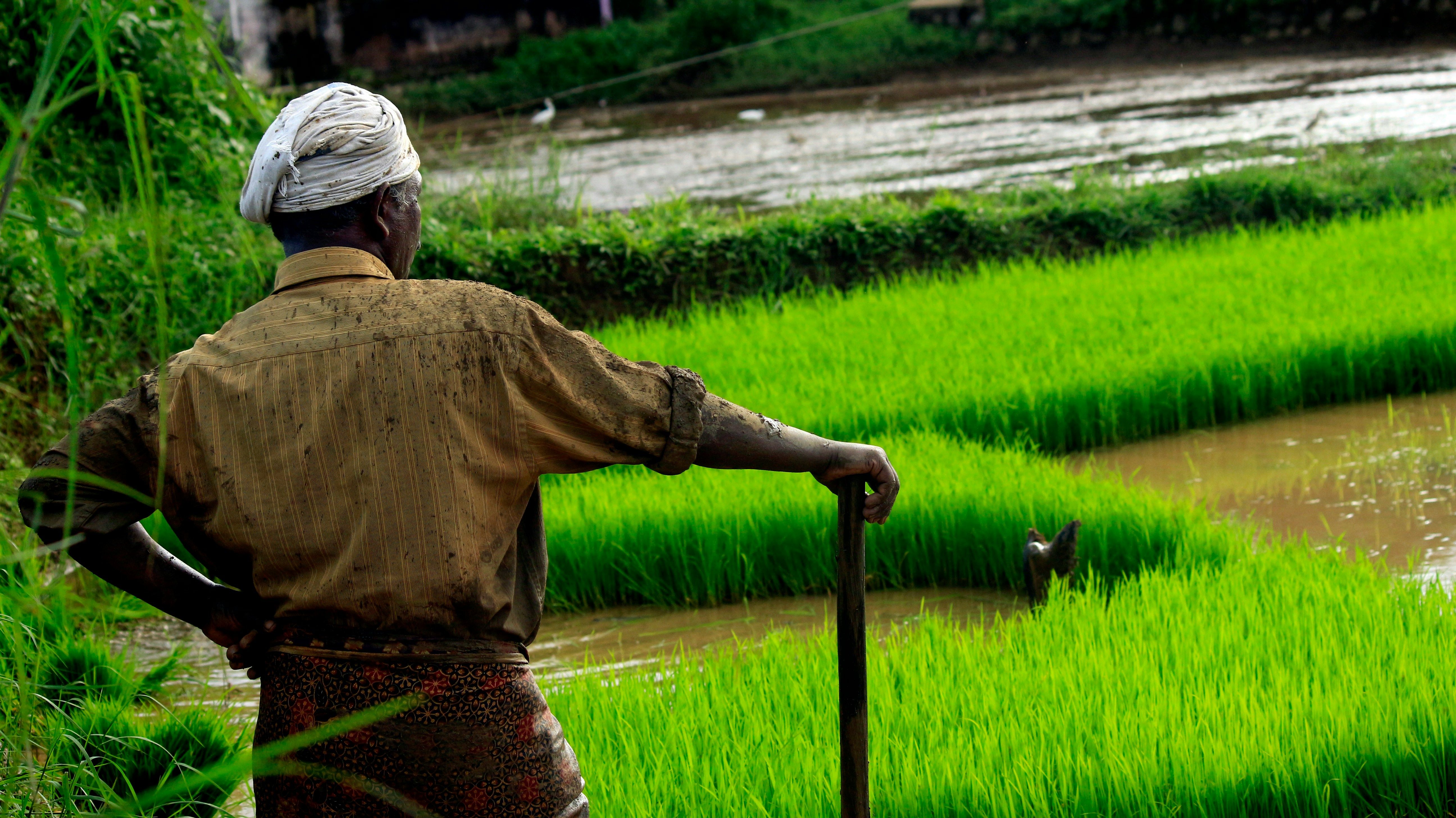

New Delhi: The White House fact sheet on the Indo-US interim trade agreement has indicated a significantly broader opening of India’s agricultural market to American products than what was outlined in the joint statement issued by New Delhi and Washington on February 6, setting up potential political and policy scrutiny in India as negotiations move forward.
According to the US document dated February 9, India has agreed to “eliminate or reduce tariffs on all US industrial goods and a wide range of US food and agricultural products, including dried distillers’ grains (DDGs), red sorghum, tree nuts, fresh and processed fruit, certain pulses, soybean oil, wine and spirits, and additional products”. This language goes beyond the February 6 joint statement, which was more limited in its articulation of agricultural market access.
One of the most notable additions in the White House fact sheet is the reference to “certain pulses”, a sensitive category in India that did not feature in the joint statement. Pulses have traditionally been among the most protected agricultural commodities in India, given their importance to farmer incomes and food security. Their inclusion is therefore likely to attract close attention in New Delhi.
Similarly, while the February 6 joint statement had clearly specified that imports of red sorghum from the United States would be restricted to animal feed, this qualification is absent in the White House version. The omission has raised questions about whether Washington is signalling a wider scope for market access than what was publicly acknowledged by India earlier.
The expanded language is significant in the context of the US observing in the fact sheet that “India has maintained some of the highest tariffs on the United States of any major world economy, with tariffs as high as an average of 37% for agricultural goods and more than 100% on certain autos”.
Farm imports have long been a politically sensitive issue in India, and even incremental changes in market access commitments tend to be closely scrutinized by domestic stakeholders.
Tariff rollback
The fact sheet also sheds new light on the circumstances under which the United States rolled back additional tariffs on Indian imports. It states that during a phone call last week between US President Donald Trump and Prime Minister Narendra Modi, Washington agreed to withdraw the additional 25% tariff imposed on India in recognition of New Delhi’s commitment to stop purchasing Russian oil. President Trump subsequently signed an Executive Order last Friday formally removing the extra duty.
Beyond the rollback, the United States also announced that it would lower the reciprocal tariff on India from 25% to 18%, citing India’s willingness to align with Washington on systemic trade imbalances and shared national security challenges.
These steps, along with India’s market-access commitments, form part of the framework for an Interim Agreement on reciprocal trade reached during the Trump-Modi call and reaffirmed in the February 6 joint statement.
India, however, has repeatedly pushed back against claims that it has agreed to halt Russian oil purchases as part of the trade deal, maintaining that its energy sourcing decisions are driven solely by national interest and the need to ensure energy security for its 1.4 billion people.
The White House document further states that India has committed to significantly step up purchases of American products, including over $500 billion worth of US energy, information and communication technology, agricultural goods, coal, and other items. It also says India will address non-tariff barriers, remove digital services taxes, negotiate rules of origin, and engage in talks on digital trade rules that prohibit customs duties on electronic transmissions.
Both sides have indicated that the interim framework will be implemented in the coming weeks, with negotiations continuing toward a comprehensive Bilateral Trade Agreement. The proposed BTA would cover remaining tariff and non-tariff barriers, services, investment, intellectual property, labour, environment, government procurement, and other trade-related disciplines.
As talks progress, the discrepancies between the February 6 joint statement and the subsequent White House fact sheet — particularly on sensitive agricultural items — are expected to be closely examined, both for what they reveal about the current balance of concessions and for how much policy space India retains as negotiations deepen.
(Cover photo by Nandhu Kumar on Unsplash)