
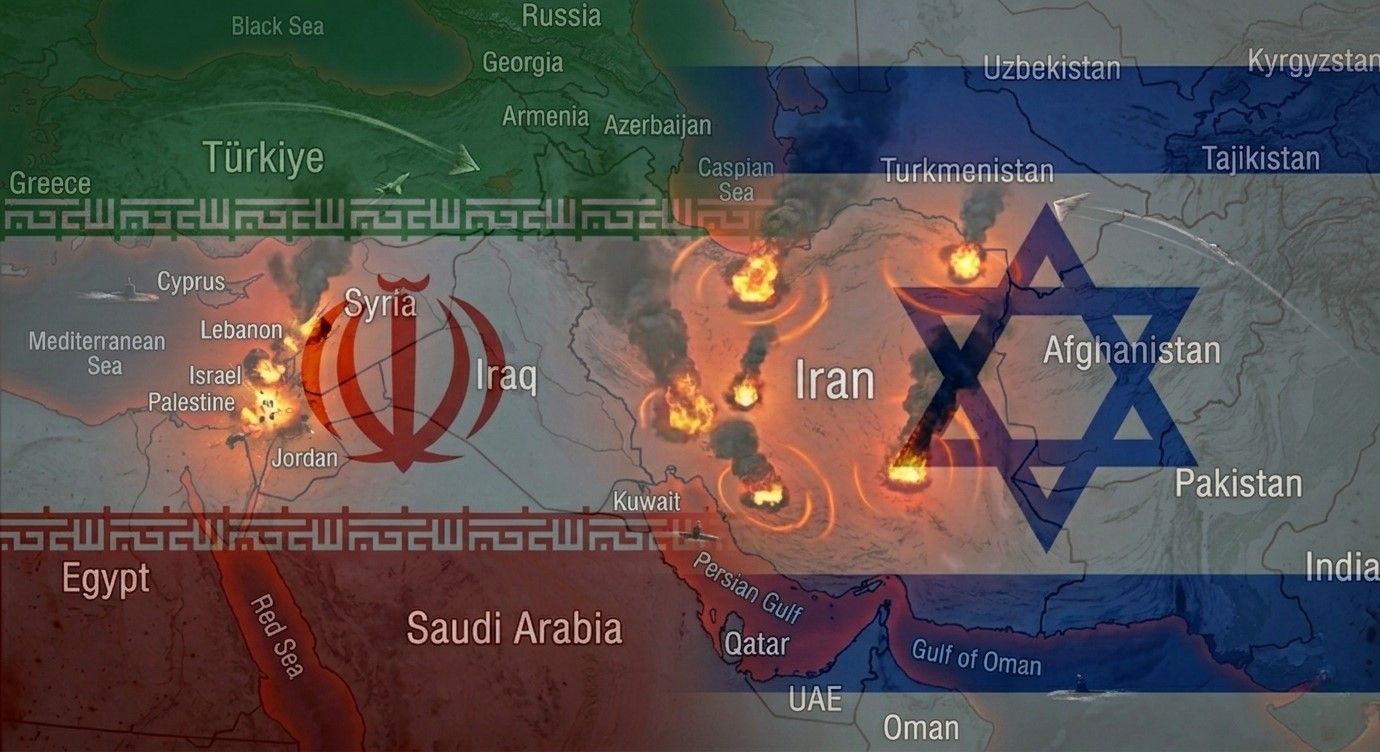

New Delhi: The Iran-Israel war has done far more than ignite another cycle of violence in an already fragile region. It has accelerated a structural transformation of West Asia’s political, economic and security landscape. One, that will define regional dynamics for years to come.
What initially appeared to be a contained confrontation has evolved into a multi-layered war involving state actors, proxy militias, global powers, and critical economic arteries. The result is a geopolitical reordering whose implications extend well beyond the battlefield.
At the heart of this transformation lies a fundamental reconfiguration of alliances. West Asia is no longer divided along traditional Arab-Israeli or sectarian fault lines. Instead, a new polarity has emerged, shaped by strategic necessity rather than ideology. On one side stands a loose but increasingly coordinated alignment involving Israel and the United States, with tacit or conditional backing from key Gulf states such as Saudi Arabia and the United Arab Emirates. On the other side is Iran and its network of allied non-state actors spread across Lebanon, Iraq, Syria and Yemen.
This realignment is not formalised in treaties or blocs, but it is unmistakable in action. Gulf countries that once pursued cautious diplomatic engagement with Iran are now recalibrating their posture in response to heightened security risks. At the same time, their earlier efforts to normalise relations with Israel are being tested under the strain of open conflict. “The region is witnessing the emergence of pragmatic, interest-driven alignments where survival and stability outweigh historical animosities,” say political analysts.
Power Shifts
Iran’s strategic approach has been central to this shift. For years, Tehran invested in building influence through proxy groups rather than direct confrontation. That strategy has now entered a more overt phase. Armed groups aligned with Iran are no longer operating in isolation; they are acting in coordination, opening multiple fronts that stretch Israel’s defensive capacity and complicate US military planning. The involvement of actors in Yemen, Lebanon and Iraq signals a transition from shadow warfare to visible, synchronized pressure.
This expansion of conflict zones has created a layered battlefield where conventional and unconventional tactics intersect. Missile strikes, drone warfare, cyber operations, and maritime disruptions are all part of the same strategic continuum. “The distinction between state and non-state actors has blurred, making deterrence more complex and escalation harder to control. What emerges is a region where conflict is diffuse, persistent, and increasingly difficult to contain within national borders”.
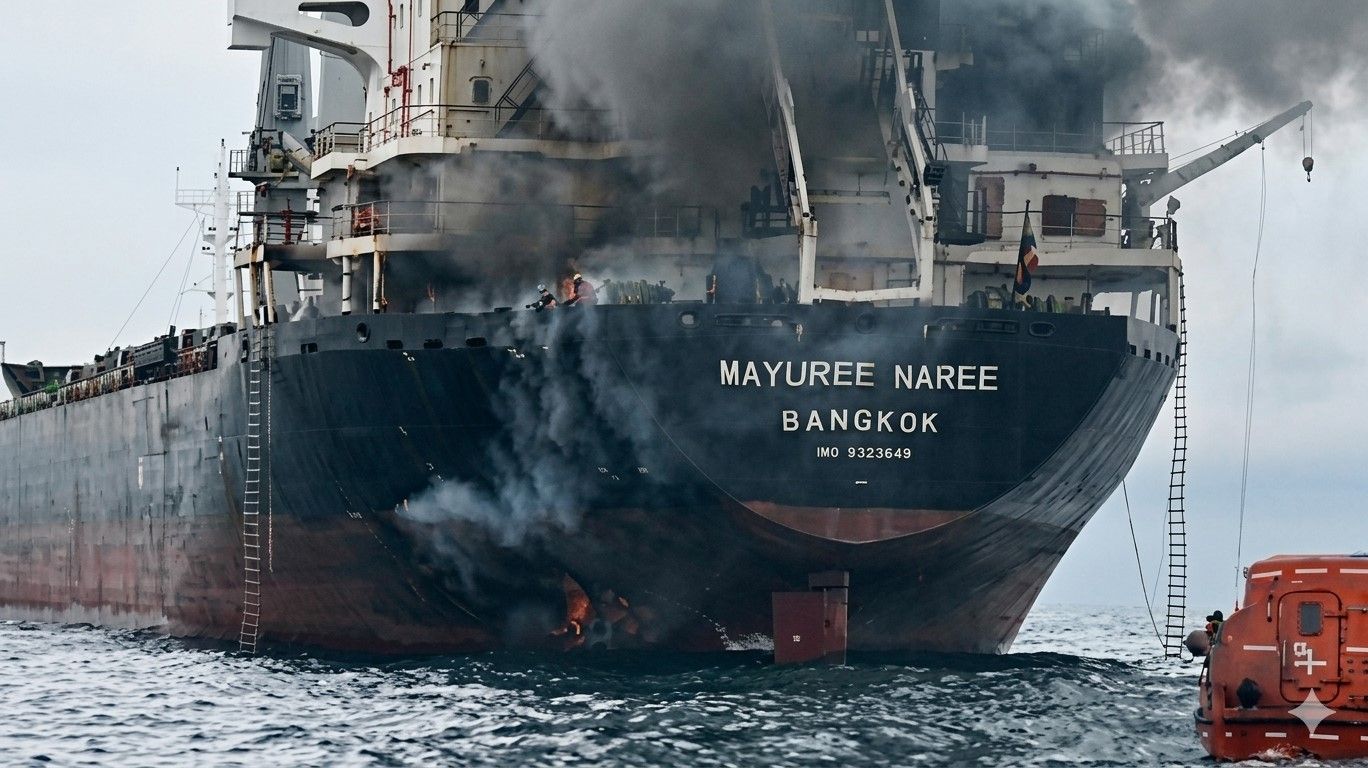
An oil tanker hit by a missile while passing though the Strait of Hormuz.
Energy Shock
While the military dimension dominates headlines, the economic consequences of the war may prove even more far-reaching. The Middle East remains central to global energy markets, and any disruption in this region reverberates across the world economy. The Strait of Hormuz, a narrow but vital corridor through which a significant share of global oil supplies passes, has become a focal point of concern. Even limited disruptions or threats to shipping routes have triggered sharp increases in oil prices, injecting volatility into already fragile global markets.
For energy-dependent economies, the implications are immediate. Higher oil prices translate into inflationary pressures, increased transportation costs, and slower economic growth. For exporting countries within the Gulf, the picture is more complex. While elevated prices may boost revenues in the short term, the risks to infrastructure, shipping and investor confidence create long-term uncertainty. The possibility of sustained instability threatens to undermine diversification efforts that many Gulf economies have pursued over the past decade.
Beyond oil, the conflict is disrupting broader economic systems. Shipping routes through the Red Sea and surrounding waterways are under strain, affecting global trade flows. Insurance premiums for maritime transport have surged, and companies are re-evaluating supply chains that depend on predictable transit through the region. Tourism, aviation, and financial services — key sectors in countries like the UAE — are already experiencing declines as security concerns reshape travel and investment decisions.
Proxy Wars
The expanding role of proxy actors has added a new layer of unpredictability to the conflict. These groups operate with varying degrees of autonomy, but their actions are often aligned with broader strategic objectives. Their ability to strike across borders, target critical infrastructure, and disrupt maritime routes has transformed them into significant players in regional security.
This model of warfare offers advantages to state sponsors by providing plausible deniability and reducing the risks associated with direct confrontation. However, it also introduces volatility. “Proxy groups may pursue their own agendas, escalate conflicts independently, or respond to local dynamics that are not fully controlled by their patrons. The result is a fragmented conflict environment where multiple actors are capable of triggering wider escalation,” say analysts.
The impact of this dynamic is particularly visible in maritime security. Attacks near key chokepoints have raised fears about the safety of global shipping lanes. Even isolated incidents can have outsized effects, as markets react not only to actual disruptions but also to perceived risks. The strategic importance of these waterways means that any sustained threat could draw in additional international actors, further complicating the conflict.
Uncertain Peace
Amid escalating tensions, diplomatic efforts continue, but they are marked by fragmentation and limited effectiveness. Traditional mediators such as Oman and Qatar are engaged in backchannel communications, while other regional players are attempting to position themselves as brokers of de-escalation. However, the gap between the demands of the conflicting parties remains wide.
For the United States and its allies, the priority is to curb Iran’s strategic capabilities and limit its regional influence. For Iran, the conflict is framed as a matter of sovereignty and resistance, making concessions politically and ideologically difficult. This asymmetry complicates negotiations, as each side views the stakes in fundamentally different terms.
Global powers outside the region are also deeply affected. China, heavily reliant on Middle Eastern energy imports, faces increased costs and supply risks. Russia, while benefiting from higher energy prices, must navigate a complex diplomatic landscape as it balances its regional relationships. European countries, meanwhile, are largely focused on preventing further escalation, given the economic and security implications for their own regions.
The trajectory of the Middle East will depend on how these overlapping dynamics evolve. A negotiated de-escalation remains possible, but it would likely be fragile and incomplete, addressing immediate hostilities without resolving underlying tensions. A prolonged period of low-intensity conflict appears more probable, characterized by intermittent clashes, proxy engagements, and ongoing economic disruption. The most dangerous scenario — a broader regional war involving multiple states — cannot be ruled out, particularly if critical infrastructure or strategic assets become direct targets.
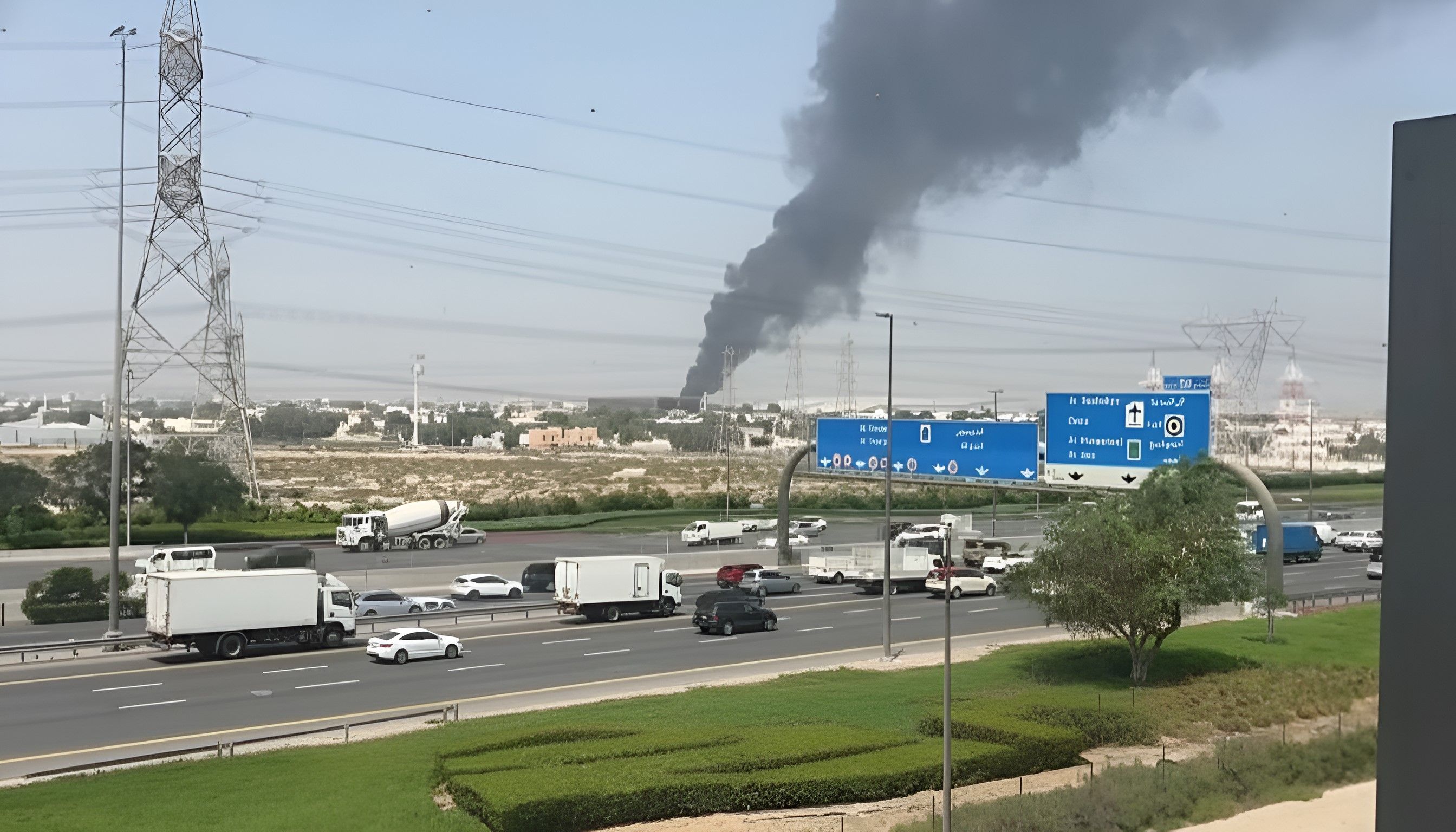
Dubai Airport has been hit several times by drones during the ongoing Iran-Israel war.
What is clear is that the pre-war regional order is unlikely to return. The Iran-Israel war has exposed the limits of existing security arrangements and accelerated the search for new frameworks. Countries across West Asia are reassessing their priorities, diversifying partnerships, and investing in both defence and economic resilience.
In this emerging landscape, flexibility will be as important as strength. Alliances will remain fluid, shaped by evolving threats and opportunities rather than fixed ideological alignments. Economic strategies will need to account for sustained volatility, while diplomatic efforts will require new approaches to bridge deep-seated divisions.
West Asia stands at a critical juncture. The choices made now, by regional actors and global powers alike, will determine whether the region moves toward a precarious balance or slides into prolonged instability. What has already changed, however, is beyond dispute: the war has redrawn the map of power, reshaped economic realities, and redefined the contours of conflict in one of the world’s most strategically significant regions.