
New Delhi: India has set itself an ambitious target of achieving $2 trillion in exports within the next five years, Union Commerce and Industry Minister Piyush Goyal said on Monday.
Speaking at the launch of the Bharatiya Vyapar Mahotsav website, Goyal said India’s exports had reached $863 billion this year, nearly 5% higher than the previous year despite slowing global demand, geopolitical tensions and trade disruptions. “This is not merely the government’s target but the nation’s target,” he said, adding that the Centre is prepared to provide “whatever support is needed” to achieve it.
The target reflects India’s growing confidence in its ability to emerge as a global manufacturing and supply-chain hub at a time when multinational companies are looking to diversify away from China. But it also underscores the scale of the challenge ahead. To double exports within five years, India will need to significantly improve manufacturing competitiveness, logistics efficiency and product quality while expanding access to overseas markets.
FTAs and Import Substitution
A key element of the government’s strategy is a renewed push for Free Trade Agreements (FTAs) with developed economies. Goyal said India had worked over the past three-and-a-half years on trade agreements with nearly 38 developed countries, which would provide Indian goods preferential access in major markets.
“These agreements will gradually come into effect,” he said, noting that the Oman FTA could become operational from June 1, while other finalised agreements were awaiting procedural clearances.
The government believes FTAs are critical for Indian exporters to compete against countries such as Vietnam and Bangladesh, both of which have leveraged trade agreements to expand their manufacturing exports. Lower import duties in partner markets could significantly improve India’s export competitiveness in sectors ranging from engineering goods to textiles and pharmaceuticals.
Alongside export expansion, the government is sharpening its focus on import substitution. Goyal urged businesses to closely study import trends through the Commerce Ministry’s trade portal and identify products that can be manufactured domestically. “Import substitution and exports represent two key sides of growth,” he said.
The minister warned that India still depended heavily on imports in sectors such as capital goods and industrial machinery. He called on industrial clusters in Rajkot, Jalandhar, Ludhiana, Batala and Pune to strengthen domestic production capabilities instead of relying on imported products.
The broader message: India’s expanding middle class and rising consumption should become an opportunity for domestic manufacturers rather than foreign suppliers. “If domestic industries fail to meet the country’s requirements, imports would fill the gap,” Goyal cautioned.
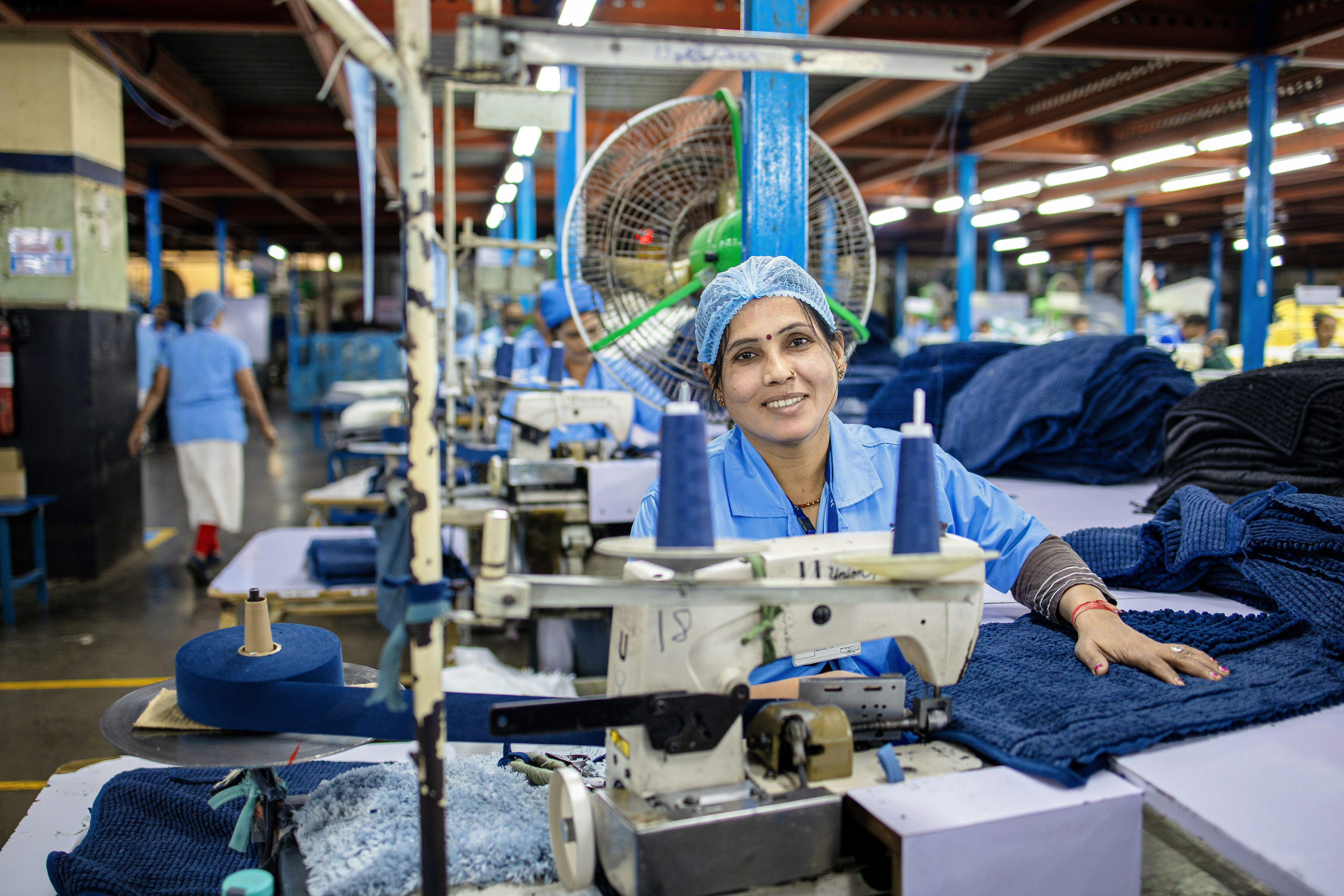
For India, exports are no longer just a trade metric. They are being positioned as the engine that could drive the country’s transformation into a developed economic power. Photo by EqualStock on Unsplash
The Quality Challenge
While the government’s export ambitions are expansive, India’s ability to compete globally will depend heavily on improvements in quality, productivity and scale.
Acknowledging this, Goyal said, “Without better quality and packaging, India would not be able to capture global markets.”
India has made gains in sectors such as electronics, pharmaceuticals and engineering goods, helped partly by production-linked incentive schemes. But manufacturers still face persistent challenges including high logistics costs, fragmented supply chains and inconsistent quality standards.
The government is also betting heavily on MSMEs to drive export growth. Goyal said the MSME definition had been expanded to include enterprises with turnover up to Rs 500 crore, signalling that the government wants companies to scale up aggressively rather than remain small.
Agriculture and fisheries are emerging as another major focus area. Goyal noted that agricultural exports had crossed nearly Rs 5 lakh crore but stressed that value addition remained limited. He said there was substantial potential for young entrepreneurs to build processing and manufacturing businesses linked to agriculture and marine products.
The minister also highlighted the growing domestic manufacturing of medical devices, including a CT scan machine produced in Visakhapatnam, as an example of India’s expanding industrial capabilities.
Exports Key to Growth Story
The government increasingly views exports as central to its broader economic vision of becoming a developed nation by 2047. Goyal repeatedly linked export growth with the ‘Viksit Bharat’ mission, arguing that India could not afford complacency despite being the world’s fastest-growing major economy.
“India should never become complacent merely because it is the world’s fastest-growing economy,” he said. “The country must continuously strive for bigger achievements.”
The messaging around exports is now closely tied to economic nationalism, digital infrastructure and domestic manufacturing. The real test lies beyond policy announcements and exhibitions. Achieving $2 trillion in exports will require sustained reforms, globally competitive manufacturing and stronger integration into international supply chains.
For India, exports are no longer just a trade metric. They are being positioned as the engine that could drive the country’s transformation into a developed economic power.
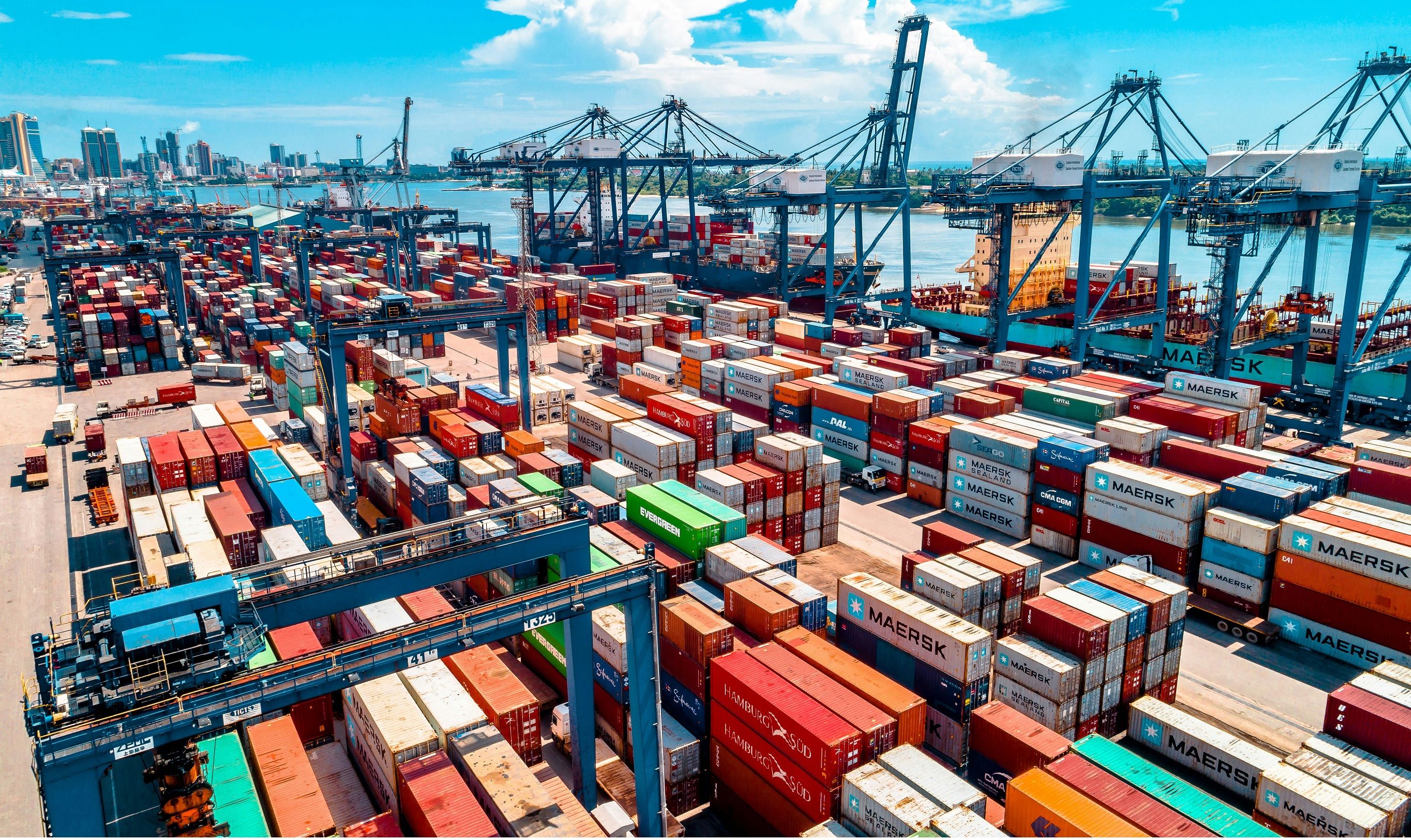
(Cover photo by Ali Mkumbwa on Unsplash)