

New Delhi: The United States has announced a fresh round of sanctions targeting Iran’s oil exports, a move that could have ripple effects for major energy-importing countries such as India, even as Washington maintains indirect diplomatic engagement with Tehran. The measures were unveiled on Friday shortly after US and Iranian representatives concluded a day of mediated talks in Oman, underscoring the continued volatility surrounding Iran’s energy trade and nuclear negotiations.
For India, which has historically relied on Iranian crude and maintains commercial links across West Asia, the sanctions add another layer of complexity to its energy security calculations. While New Delhi halted direct imports of Iranian oil following earlier US sanctions, Indian shipping interests and companies operating in the Gulf region could face increased scrutiny due to tighter enforcement on maritime transport and financial transactions. Analysts say the latest restrictions may also contribute to higher freight costs and indirect pressure on global oil prices, affecting import-dependent economies like India.
According to US officials, the new sanctions focus on a network involved in the transport and sale of Iranian crude. Fourteen vessels alleged to be carrying Iranian oil have been designated, along with several companies and individuals accused of facilitating the trade. The US State Department said all transactions linked to these assets would be blocked, effectively isolating them from the international financial system.
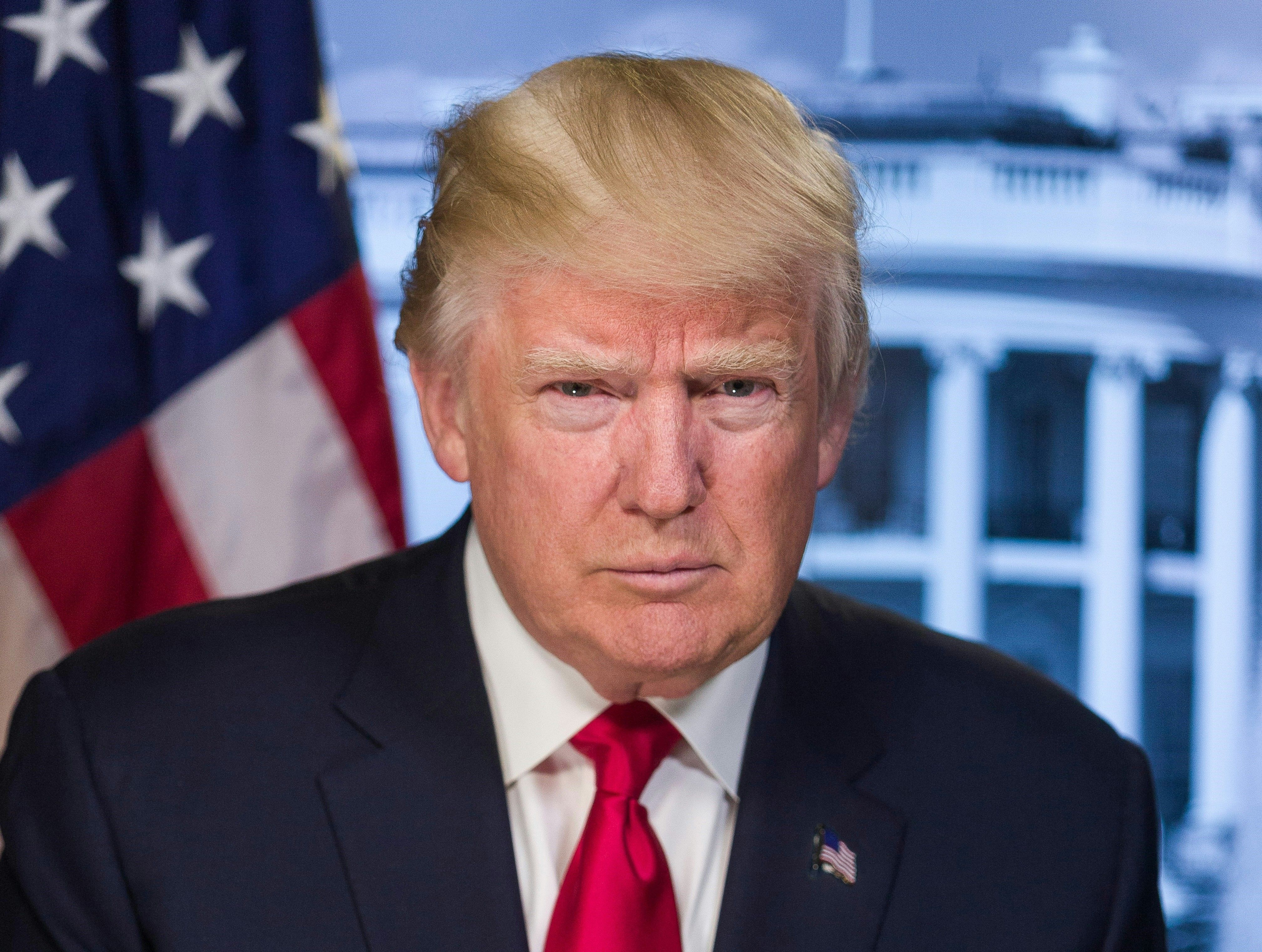
Washington argues that income from oil exports enables Iran to support activities that it considers destabilising in the Middle East, while also strengthening domestic security structures used to suppress opposition. President Donald Trump’s administration reaffirmed its commitment to a policy of maximum economic pressure, insisting that restricting Iran’s revenue streams remains central to preventing Tehran from advancing its nuclear programme.
The timing of the announcement drew attention. Earlier on Friday, Iranian officials met indirectly with senior US envoys in Muscat under Omani mediation. Iran’s foreign minister later described the talks as taking place in a positive atmosphere, suggesting limited but meaningful progress in maintaining dialogue, even though no concrete outcomes were announced.
Tehran Unhappy
Iran reacted sharply to the sanctions, accusing Washington of undermining diplomacy by escalating economic pressure while talks were still ongoing. Iranian officials said such actions weaken trust and reinforce doubts about US intentions, arguing that sanctions have failed to change Iran’s policies in the past.
International responses were mixed. Russia and China criticised the move, reiterating their opposition to unilateral sanctions and warning that further pressure could derail diplomatic efforts. Both countries emphasised that long-term stability could only be achieved through negotiated agreements rather than coercive measures.
Within the Middle East, reactions reflected broader geopolitical divides. Some US partners quietly supported the sanctions as a means of limiting Iran’s regional influence, while others expressed concern that increased tensions could disrupt energy markets and worsen regional instability.
Energy analysts noted that although Iran’s oil exports are already constrained, intensified action against shipping networks could disrupt supply chains and raise transportation costs. Any sustained tightening, they warned, may have indirect consequences for global oil markets, with downstream effects on fuel prices in large importing nations such as India.
The sanctions also come amid heightened military tensions. The United States has expanded its military presence near Iran in recent months, and President Trump has reiterated that he is prepared to use force if necessary to prevent Iran from acquiring nuclear weapons. Tehran continues to deny such ambitions, insisting its nuclear activities are peaceful.
As indirect negotiations continue, the latest sanctions highlight the uncertainty surrounding US-Iran relations. Whether increased economic pressure will bring Iran closer to compromise or further entrench divisions remains unclear, with the outcome likely to affect not only regional stability but also global energy consumers, including India.
(Cover photo by Library of Congress on Unsplash)