
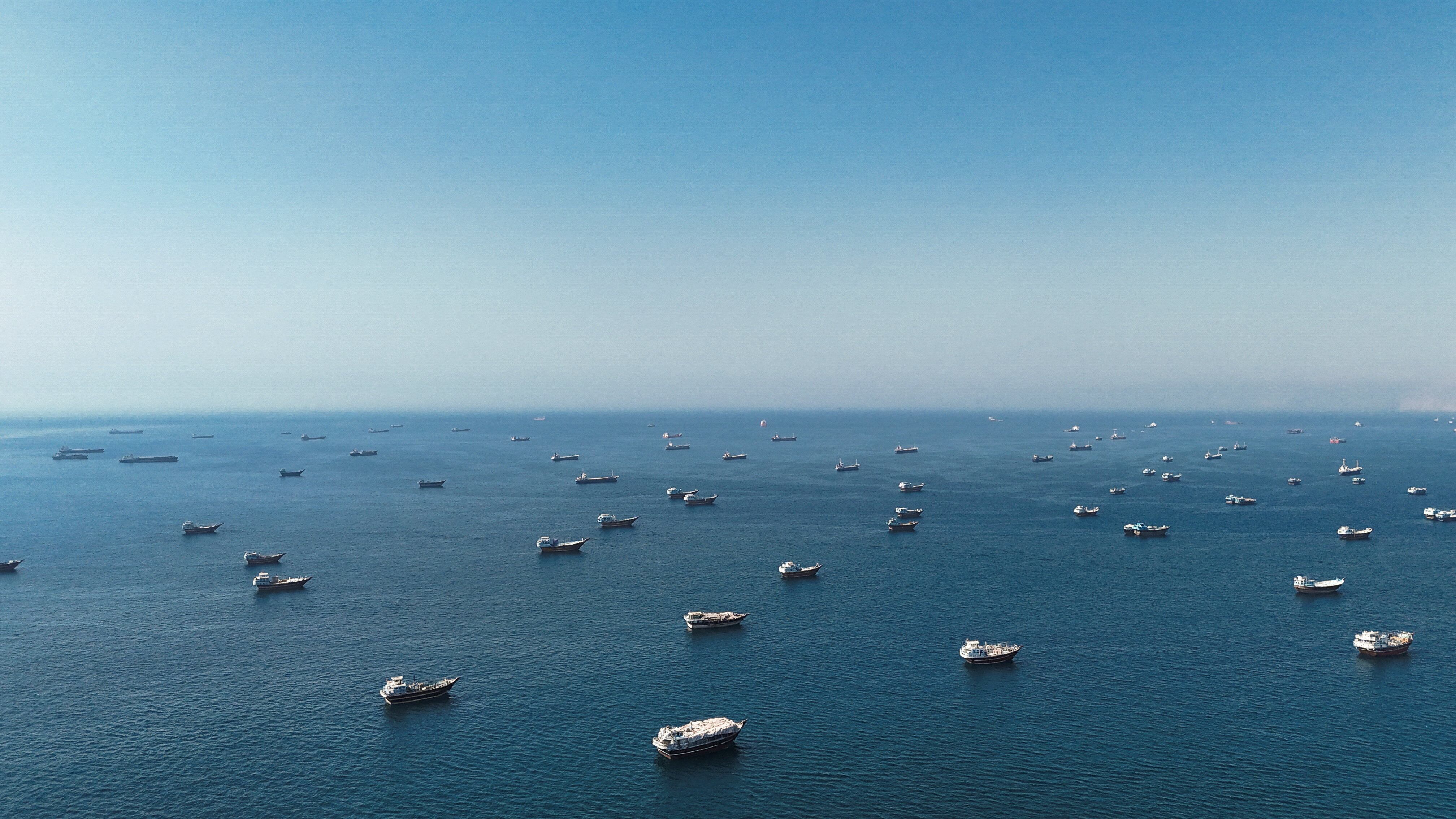

The ongoing geopolitical turbulence stemming from the US-Israeli confrontation with Iran is taking a severe financial toll on the Middle East. According to reports, the conflict is projected to cost Persian Gulf countries more than $200 billion in direct physical damage alone, with cumulative economic fallout stretching deep into the decade.
The Mounting Bill of Physical and Structural Destruction
The conflict has brought unprecedented strain to the region, extending far beyond initial estimates. While early Pentagon figures estimated baseline conflict expenses at $29 billion, independent analyses and insurer projections show that the actual economic burden is vastly higher.
As per reports, Allianz Trade assessments indicate that physical damage across Gulf countries will exceed $200 billion. The destruction targets not only strategic military installations but spreads across civilian infrastructure throughout the region. Additional legal and economic analyses, such as those examining the GCC construction industry supply chain disruptions, highlight extensive collateral damage attributable to the Iran conflict.
Cumulative Output Losses Projected Through 2030
Beyond immediate infrastructure repairs, the broader economic slowdown is expected to severely impact regional growth over the next few years.
- Physical Damage: Projected to surpass $200 billion across Gulf states.
- Lost Economic Output: Expected to hit $790 billion by the year 2030.
- Combined Financial Burden: Total damages and lost growth approach the threshold of nearly $1 trillion, according to regional reports.
This staggering combination of physical destruction and lost economic output threatens to reshape long-term fiscal planning for the Gulf Cooperation Council (GCC) states. Supply chains, force majeure considerations, and maritime risk, exemplified by soaring war-risk insurance values for large vessels, continue to compound the financial pressure on regional economies.
Diplomatic Friction and the Path Forward
The economic warnings emerge amid continued high-level diplomatic friction. Recent reports point to strained communications between international leaders, including a tense phone call between US President Donald Trump and Israeli Prime Minister Benjamin Netanyahu over the weekend, even as regional actors grapple with the localized fallout of enriched uranium developments and ongoing security threats in Tehran.
As the region absorbs these mounting expenses, policymakers face a narrow window to mitigate further long-term economic deceleration. With insurers forecasting nearly $790 billion in lost output by the end of the decade, the true price of the US-Iran war is proving to be a multi-trillion-dollar regional crisis.