
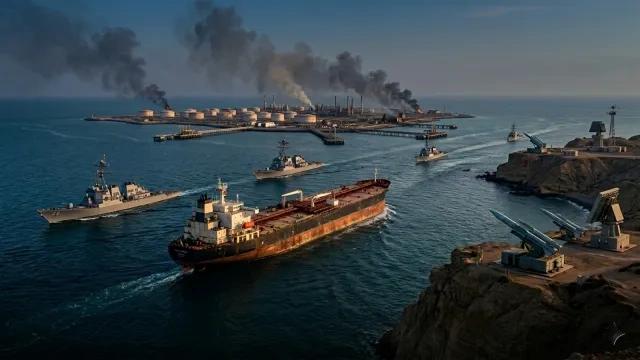

The geopolitical standoff in the Strait of Hormuz continues to intensify as negotiations face severe roadblocks. According to reports, recent diplomatic friction highlights a deep impasse, with Iran proposing a seven-day pause while the United States firmly rejects the terms. The ongoing blockade has sent shockwaves through global energy markets, driving oil prices to striking new highs as supply routes remain heavily contested.
The Rejected Pause and Escalating Rhetoric
The core of the current diplomatic friction centers on differing strategies and unyielding positions from both Washington and Tehran. As per reports, Iran recently offered a seven-day pause to the ongoing conflict. However, the United States rejected the offer outright.
President Donald Trump has maintained a hardline stance against Tehran's conditions. In previous assessments surrounding the crisis, Trump asserted that the ceasefire remains on "life support" and openly claimed that Iran faces internal collapse. Meanwhile, Tehran continues to view its strategic chokehold over the Strait of Hormuz as vital leverage against mounting Western pressure.
Energy Markets and Strategic Fallout
The prolonged closure and subsequent blockade of the vital shipping lane have triggered severe economic ripples worldwide. According to reports, the ongoing standoff and blockade have directly driven oil prices to new highs, putting immense pressure on global importing economies.
As the geopolitical crisis stretches on, military and political analysts are closely monitoring potential escalations. Reports indicate that a US bombing campaign may return following upcoming midterms, highlighting the precarious nature of the current lull in direct military engagement. Trump has previously floated the possibility of new talks, yet mixed signals and rigid ultimatums, such as demands for Tehran to completely "give up", have continually stalled meaningful diplomatic progress.
Diplomatic Isolation and Future Outlook
Efforts to de-escalate the crisis have seen regional and international players attempt to mediate, though with limited success. Earlier in the broader timeline of the conflict, Iranian diplomatic outreach extended to neighboring nations like Pakistan, even as Western leaders tightened economic and political screws.
With neither side willing to compromise on fundamental terms, the immediate future of the Strait of Hormuz remains volatile. As the standoff persists without a breakthrough, global markets and international observers brace for what diplomatic or military maneuvers either administration might deploy next.