
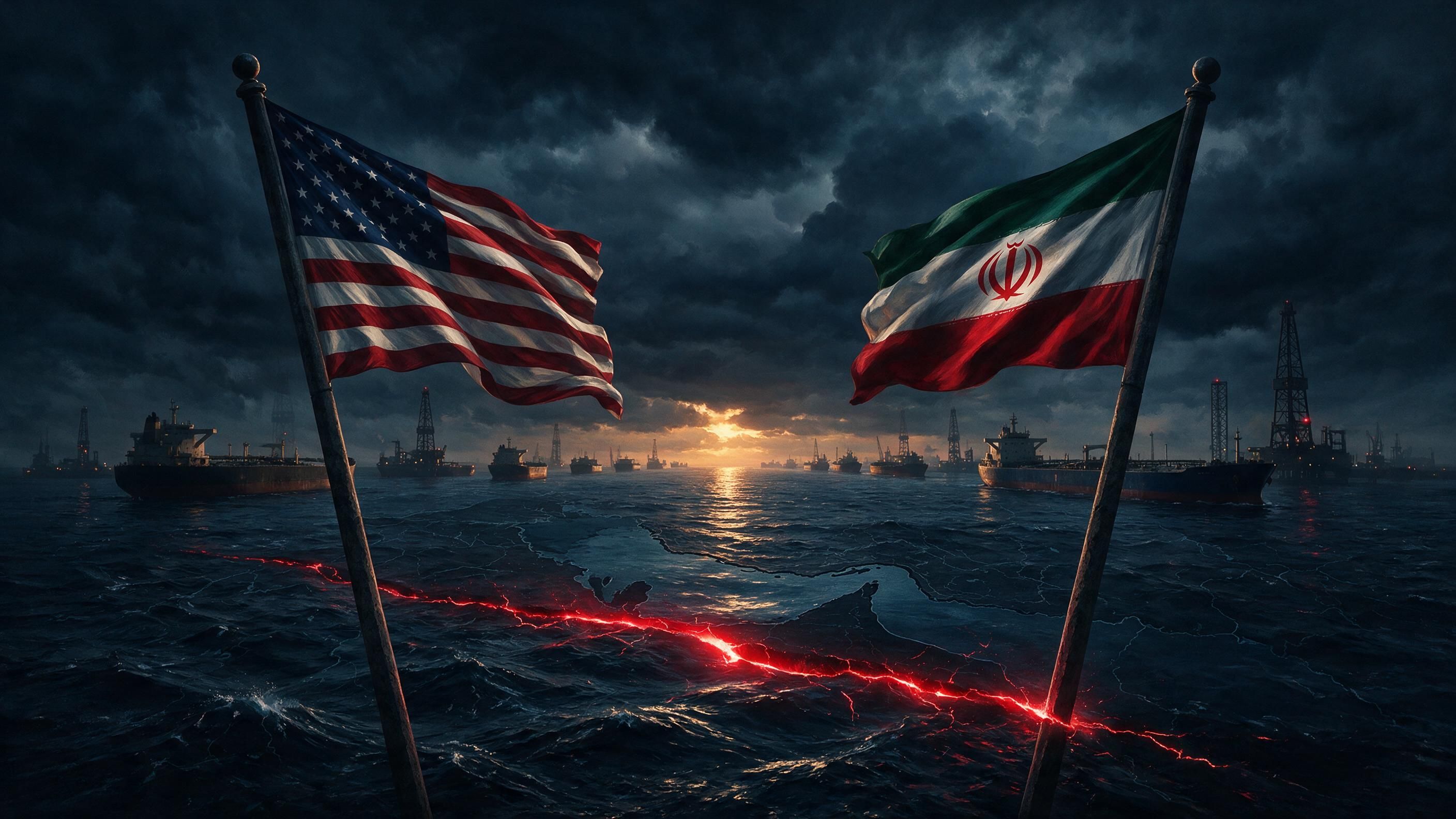

Geopolitical friction in the Middle East has entered a critical phase. As Washington prepares to roll out aggressive new economic measures, Tehran has issued severe warnings, cautioning that any external support for fresh U.S. pressure could cross a critical threshold and be treated as an act of war.
The Threat of 'Economic War' and Gulf Retaliation
As per reports, the intensifying standoff has brought concerns of an unprecedented economic clash to the forefront. With warnings from officials regarding an impending "Economic D-Day," the situation has crossed traditional diplomatic boundaries. In response to the anticipated financial restrictions, Iran has explicitly threatened a Gulf oil halt, putting international energy supplies directly in the crosshairs of the dispute.
The Strait of Hormuz Flashpoint
The rhetoric intensified significantly over the weekend as the geographical core of the global energy trade became a point of contention. According to reports, tensions surged further after a map labeling the strategic Strait of Hormuz as a “New US Territory” drew fierce rejections from Iranian authorities. This bold maneuvering has heightened military and strategic anxieties across the region, impacting regional stability and transport corridors alike.
Market Volatility and Regional Fallout
The compounding pressures of impending sanctions and verbal escalations over maritime territories have left global oil markets highly volatile. Regional observers, note that the mounting hostility is creating widespread anxiety for residents and businesses across the Gulf. Markets remain on edge as traders assess the likelihood of disruptions in the vital shipping lanes.