
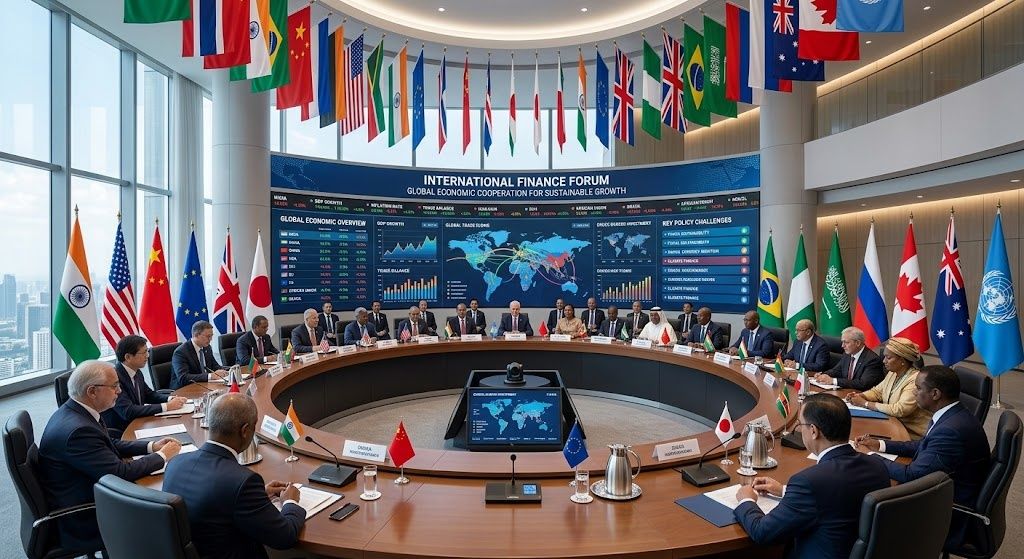

As global financial leaders gather for a high-stakes summit, the United States is steering the conversation toward heightened economic pressure. The US-hosted G20 finance meeting, taking place over two days in Asheville, has placed global economic growth, structural imbalances, and renewed sanctions on Iran firmly at the center of the agenda, according to recent reports.
Pressing for Iran's Isolation
A primary objective for Washington at the current summit is rallying international support to isolate Tehran further through financial mechanisms. The U.S. Treasury chief is actively pressing G20 allies to enforce stricter compliance and deepen economic sanctions against Iran to protect global financial stability.
The push for intensified economic measures comes amidst broader geopolitical strain. The diplomatic maneuvers unfold as broader trade friction continues to strain international ties, complicating Washington's efforts to forge a unified front among the world's twenty major economies.
Targeting Growth and Digital Asset Imbalances
Beyond the diplomatic showdown over Tehran, the gathering is tackling traditional macroeconomic indicators. Treasury officials have emphasized that discussions will target global growth and persistent economic imbalances.
Simultaneously, regulatory oversight is expanding into modern financial infrastructure. The U.S. Treasury’s agenda at the G20 also encompasses the expansion of digital asset sanctions, reflecting how modern regulatory tools are increasingly being deployed alongside traditional banking restrictions to enforce compliance and isolate targeted state actors.
Navigating Geopolitical Headwinds
The two-day deliberations in Asheville highlight the delicate balancing act required of member nations. While economies grapple with domestic growth targets and market imbalances, the explicit focus on Washington's anti-Iran campaign forces member states to navigate competing foreign policy priorities.