

The United States administration has extended temporary relief to India from the threat of steep tariffs linked to the purchase of Russian oil and gas. As per reports, the temporary pause grants a 60-day window while officials review the economic and geopolitical fallout of sweeping sanctions.
The move arrives against a backdrop of domestic US political considerations and intense diplomatic coordination.
The 60-Day Review and Domestic Backlash
The decision to pause punitive measures has triggered significant debate within the United States. According to reports, the administration has faced domestic backlash over the waiver, prompting defense of the measure from leadership.
The temporary grace period provides breathing room for the White House to evaluate how aggressive tariff enforcement affects global energy markets and allied economies. While the policy has drawn criticism from domestic political quarters, the administration maintains that a phased approach is necessary to avoid catastrophic market shocks.
Why India Cannot Cut Ties Overnight
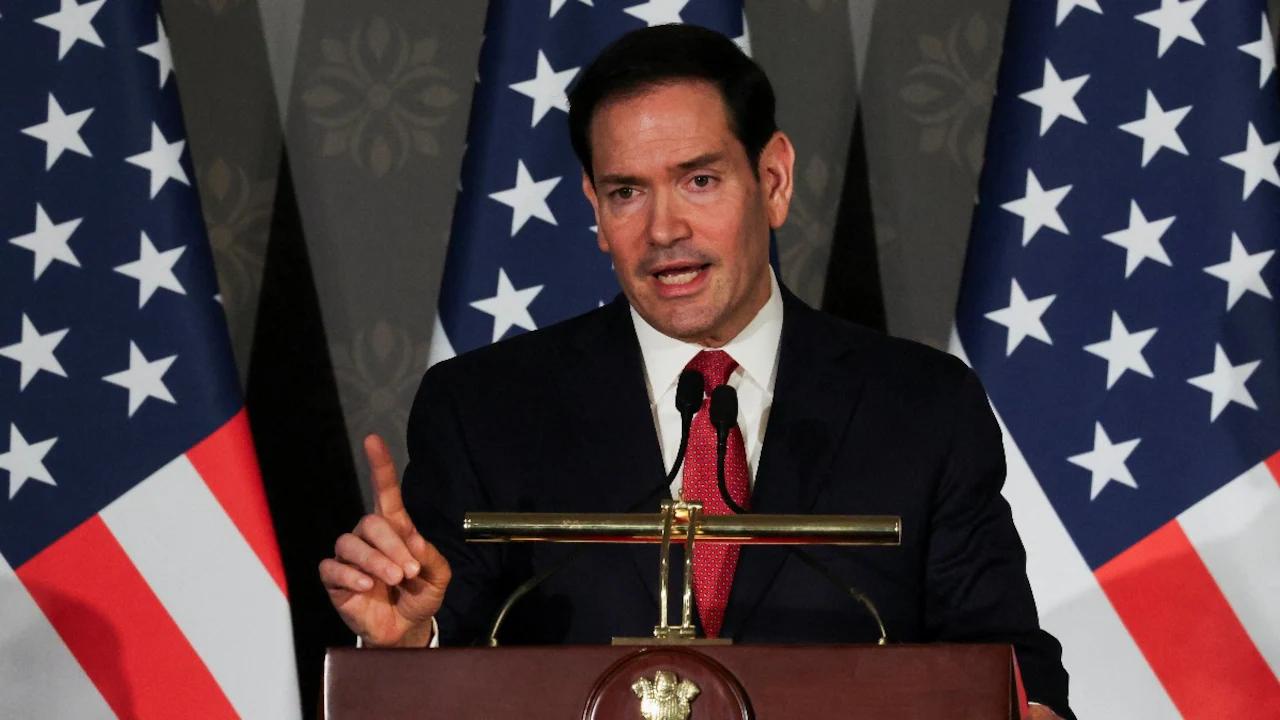
Defending the sanctions pause, US State Secretary Marco Rubio highlighted the practical realities of global supply chains. According to reports, Rubio explained that India cannot simply cut its substantial Russian energy imports overnight.
India remains an important ally to Washington, and state officials have acknowledged that abrupt enforcement of secondary sanctions or tariffs would inflict severe logistical and economic friction. Rubio cited India's reliance on substantial Russian energy imports as a primary justification for the temporary 60-day review period, noting the impossibility of an instantaneous decoupling.
Strategic Implications and Short-Term Outlook
While the 60-day window offers immediate reprieve for Indian refiners and policymakers, analysts note it falls short of a permanent exemption. The ongoing review led by Rubio and other senior officials will ultimately dictate whether the temporary sanctions waiver translates into a long-term policy pivot or merely postpones a deeper trade confrontation.
For now, the strategic reprieve offers both Washington and New Delhi a brief interlude to manage energy security dependencies without triggering immediate trade penalties ahead of domestic electoral cycles, such as the upcoming US midterms.