
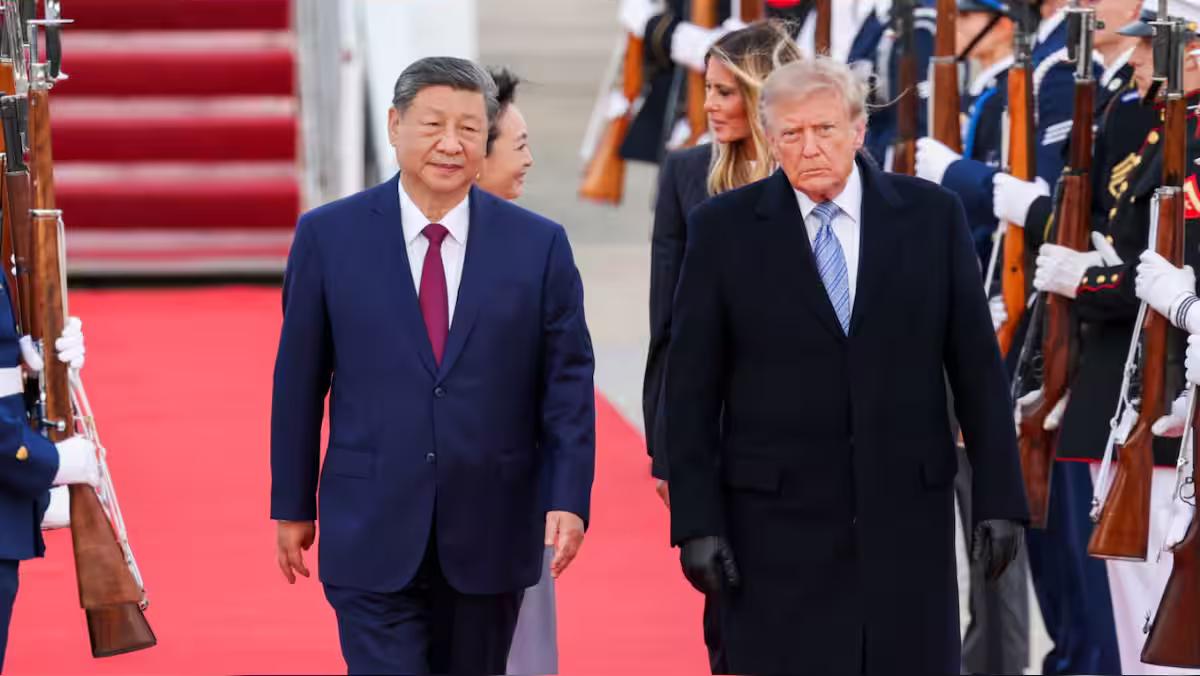

The United States and China have taken a notable step toward easing bilateral trade friction. Following a high-level Washington summit between Donald Trump and Xi Jinping, the two economic superpowers have unveiled reciprocal product lists targeting tariff reductions on goods valued significantly across international markets, as reported by major international outlets.
The Scope of the Tariff Relief Package
According to reports, the initiative rolls out a $30 billion trade relief plan featuring reciprocal product lists. he package encompasses non-sensitive product lists for tariff cuts stemming directly from the Trump-Xi meeting. While various sources have contextualized the broader bilateral trade adjustments using differing aggregate figures with broader trade truce extensions reportedly involving $60 billion worth of goods, the immediate mechanism centers on these newly published lists targeting specific categories.
Strategic Implications and Global Reactions
The publication of these specific product lists signals a tactical effort by Washington and Beijing to de-escalate commercial frictions. By focusing on non-sensitive categories, both administrations have carved out a pragmatic pathway to deliver tangible relief to manufacturers and consumers without compromising core strategic sectors.
Global observers are closely monitoring how this bilateral thaw might ripple across other regions. For instance, analysts have raised questions about what these developments could mean for European markets and international supply chains as the world’s two largest economies recalibrate their trade relationship.
Moving Forward on the Trade Truce
The publication of the lists marks a concrete progression from high-level diplomatic pledges into actionable policy instruments. As markets digest the scope of the reciprocal cuts, stakeholders will be watching to see whether this momentum can sustain a longer-term stabilization in US-China commercial ties.