

New Delhi: The Ministry of Statistics and Programme Implementation (MoSPI) has released the final ‘Guideline for Compilation of District Domestic Product (DDP) Estimates’, aimed at harmonising estimation practices across States and Union Territories and strengthening the institutional framework for the compilation of district-level economic data.
The guideline, prepared by the National Statistics Office (NSO), is expected to serve as a common reference framework for States and UTs in the preparation of district-level economic estimates under the revised base year of 2022-23. The ministry said the document would help ensure greater consistency, comparability and methodological standardisation in the compilation of economic indicators across districts, thereby improving the quality and reliability of sub-state economic statistics.
The final guideline has been issued after a detailed consultation process. The draft version was uploaded on the official website of MoSPI on April 7, 2026, inviting comments and suggestions from a wide range of stakeholders, including State and UT governments, academic institutions, researchers and users of sub-state level statistics. The ministry said the comments received during the consultation period were examined in detail before finalising the document.
According to MoSPI, the guideline provides a comprehensive framework covering the concepts, scope, coverage, data sources, estimation procedures and methodologies required for the compilation of Gross District Domestic Product (GDDP), Net District Domestic Product (NDDP) and district-level Per Capita Income. These estimates are considered important indicators for assessing the economic performance of districts and understanding regional disparities within States.
The document places primary emphasis on the use of a bottom-up approach for preparing DDP estimates. Under this approach, district-level estimates are compiled directly from data generated within individual districts wherever such information is available. The ministry said this method improves the accuracy of estimates by reflecting local economic conditions and production structures more effectively.
Ensuring Consistency
However, recognising the limitations in the availability of district-wise data across certain sectors, the guideline also provides for the use of top-down estimation methods where necessary. In such cases, State-level estimates may be distributed across districts using scientifically selected allocation indicators and other appropriate proxies to ensure consistency in estimation practices. The guideline outlines the methodology to be followed for such allocations and recommends suitable indicators for different sectors of the economy.
At present, 26 States and Union Territories are compiling District Domestic Product estimates. MoSPI said it is making continuous efforts to bring all States and UTs into a common framework for the preparation of DDP estimates so that district-level economic statistics across the country are generated using comparable methodologies and standards.
The ministry noted that the availability of reliable, robust and comparable district-level economic estimates would play a crucial role in supporting decentralised planning and evidence-based policymaking. Such estimates are expected to help governments identify regional imbalances, assess the effectiveness of development programmes and allocate resources more efficiently at the district level.
MoSPI further said that the guideline would contribute to strengthening statistical systems at the sub-state level by encouraging improvements in data collection, administrative records and institutional capacity. The ministry expressed confidence that the adoption of the guideline across States and UTs would enhance the quality of district-level economic statistics and support more informed decision-making for balanced and inclusive regional development.
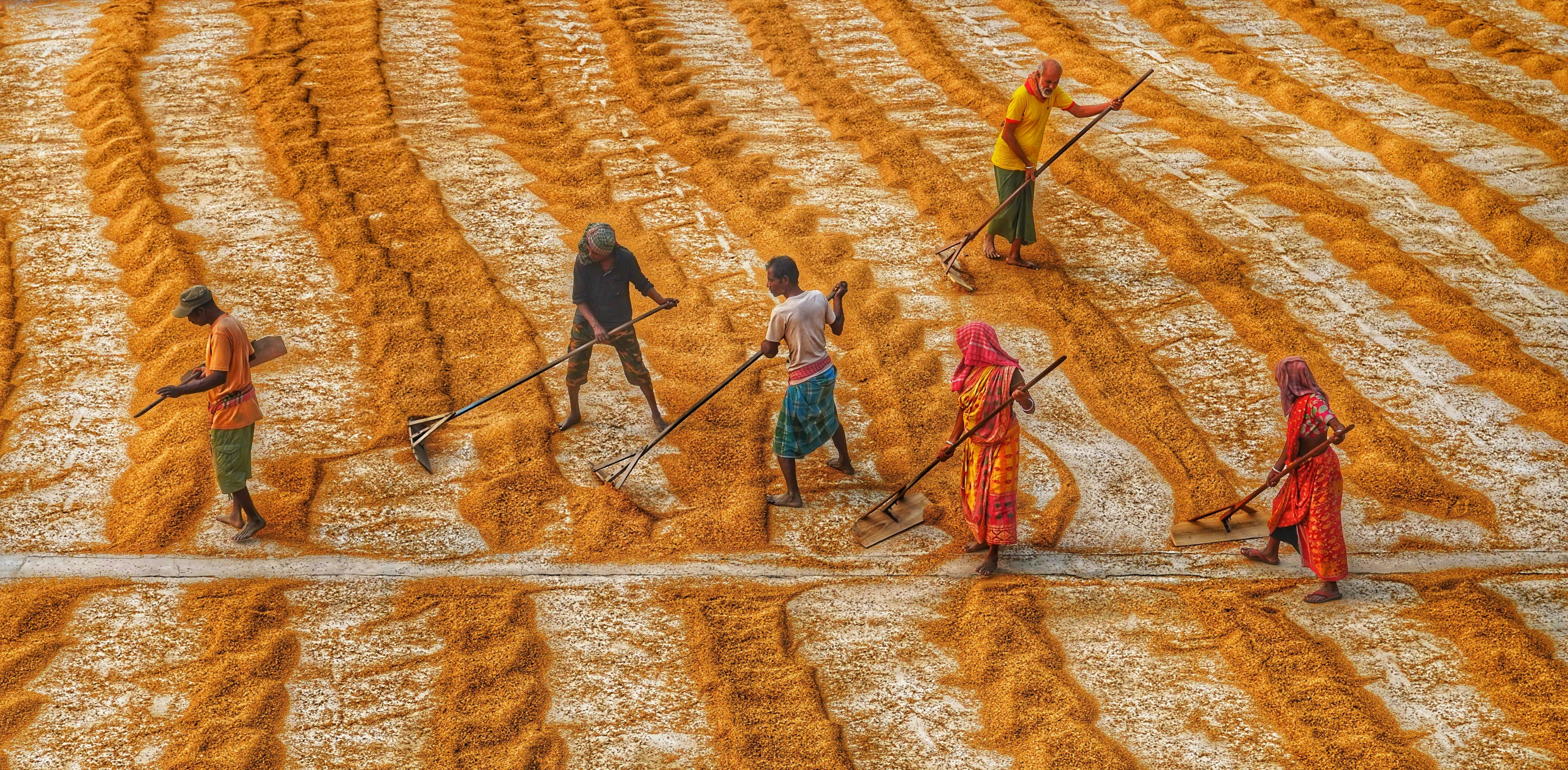
(Cover photo by Dibakar Roy on Unsplash)