
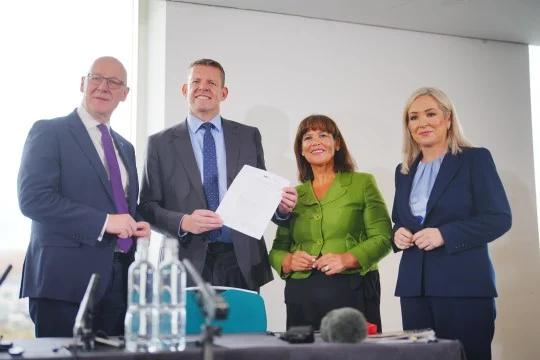

The constitutional integrity of the United Kingdom is facing renewed pressure following a landmark development that has brought together nationalist leaders from Scotland, Wales, and Northern Ireland. As reported across multiple outlets, first ministers and regional leaders have united behind an independence push, signing a self-determination pact that declares Westminster’s time is "coming to an end."
While the agreement does not grant immediate independence or automatically trigger referendums, it marks a coordinated front among the SNP, Plaid Cymru, and Sinn Féin, intensifying the ongoing political debate over the future of the British state.
The Cardiff Independence Summit and the 'Celtic Alliance'
The historic agreement was finalized at the Cardiff Independence Summit, where regional leaders gathered to sign what is being described as a landmark cooperation agreement and self-determination declaration. According to reports, the gathering of the "Celtic Alliance" leaders brought forward bold predictions regarding the longevity of the British union.
Leaders at the summit did not mince words about the trajectory of the UK. Yahoo News New Zealand highlighted dramatic rhetoric from the meetings, noting projections that future leadership could see the emergence of a final British premier, with assertions that "Burnham will be the last PM of the UK." First ministers at the summit went on to predict the imminent breakup of the UK, framing the regional push as an unstoppable historical shift away from central control in London.
Demands for Votes on Leaving the UK
At the core of the Cardiff pact is a formal demand for the right to hold votes on leaving the United Kingdom. Irish, Scottish, and Welsh leaders are pressing firmly for their respective populations to be granted the constitutional mechanisms required to determine their own futures.
The pact underscores a shared frustration with Westminster's legislative boundaries. By aligning their political strategies, the SNP, Plaid Cymru, and Sinn Féin are seeking to amplify regional pressures simultaneously, transforming what were previously isolated independence movements into a unified cross-border challenge to the central government.
Westminster Faces Synchronized Regional Friction
The signing of the pact presents a complex strategic challenge for the UK government, shifting the dynamics from bilateral disputes, such as Westminster versus Edinburgh, to a synchronized regional front.
Although the agreement lacks the legal authority to unilaterally alter borders or force referendum votes, its psychological and political impact on the union is profound. By declaring that Westminster’s time is running out, the leaders of Scotland, Wales, and Northern Ireland have forced the constitutional debate back to the forefront of British politics, ensuring that regional self-determination will remain a dominant flashpoint.