
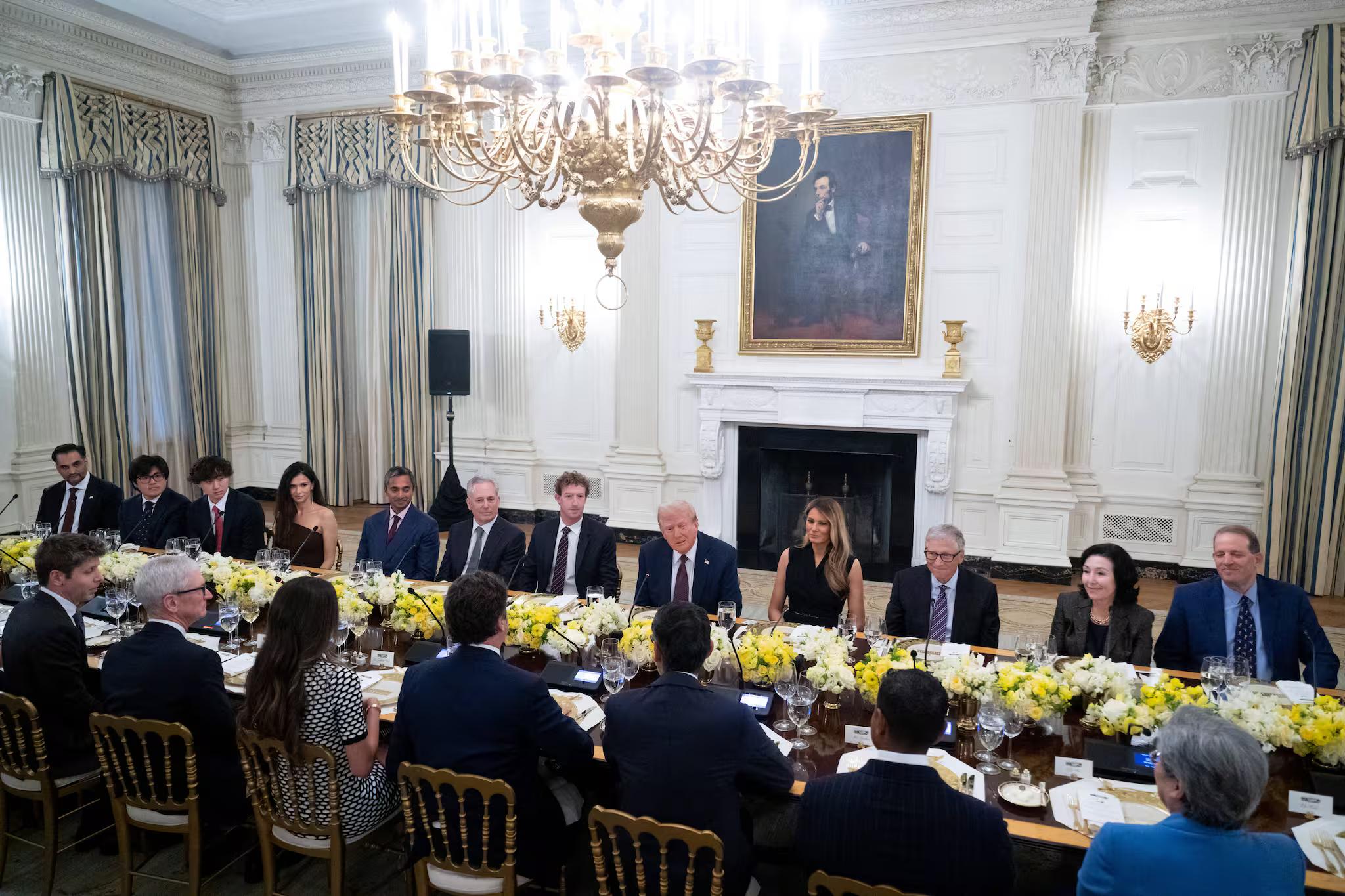

As diplomatic channels open this week, the geopolitical landscape of artificial intelligence enters a critical phase. Today, reports indicate that Microsoft CEO Satya Nadella, alongside other prominent tech titans, is set to join a high-profile White House state dinner featuring U.S. President Donald Trump and Chinese President Xi Jinping. This diplomatic gathering coincides with ongoing bilateral negotiations addressing the future of advanced technology and safety frameworks.
High-Stakes Diplomacy in Washington
The convergence of political leadership and tech industry heavyweights underscores the extent to which artificial intelligence has become central to superpower relations. Historically, trade summits have focused primarily on manufacturing, tariffs, and intellectual property rights. However, the modern digital economy requires executive-level engagement from the architects of foundational computing infrastructure.
With leaders from both nations gathering in Washington this week, the inclusion of corporate leaders signals that commercial and strategic alignment will go hand in hand during the discussions.
The Role of Tech Titans in AI Talks
While details regarding the private diplomatic agendas remain tightly managed, the presence of industry leaders points toward a broader dialogue on technological governance. Generally, policymakers have struggled to balance the rapid pace of artificial intelligence innovation with national security imperatives.
By bringing executives into the fold during a presidential summit, both Washington and Beijing are acknowledging that regulatory frameworks cannot be effectively drafted without direct input from the corporations spearheading machine learning breakthroughs.
Looking Ahead
As the Trump-Xi summit unfolds, the outcomes of these high-level discussions could set the precedent for international technology standards for years to come. Whether the dialogue yields concrete frameworks for technological cooperation or merely establishes baseline communication channels remains to be seen. What is clear, however, is that the intersection of statecraft and corporate tech leadership is defining the modern geopolitical era.