
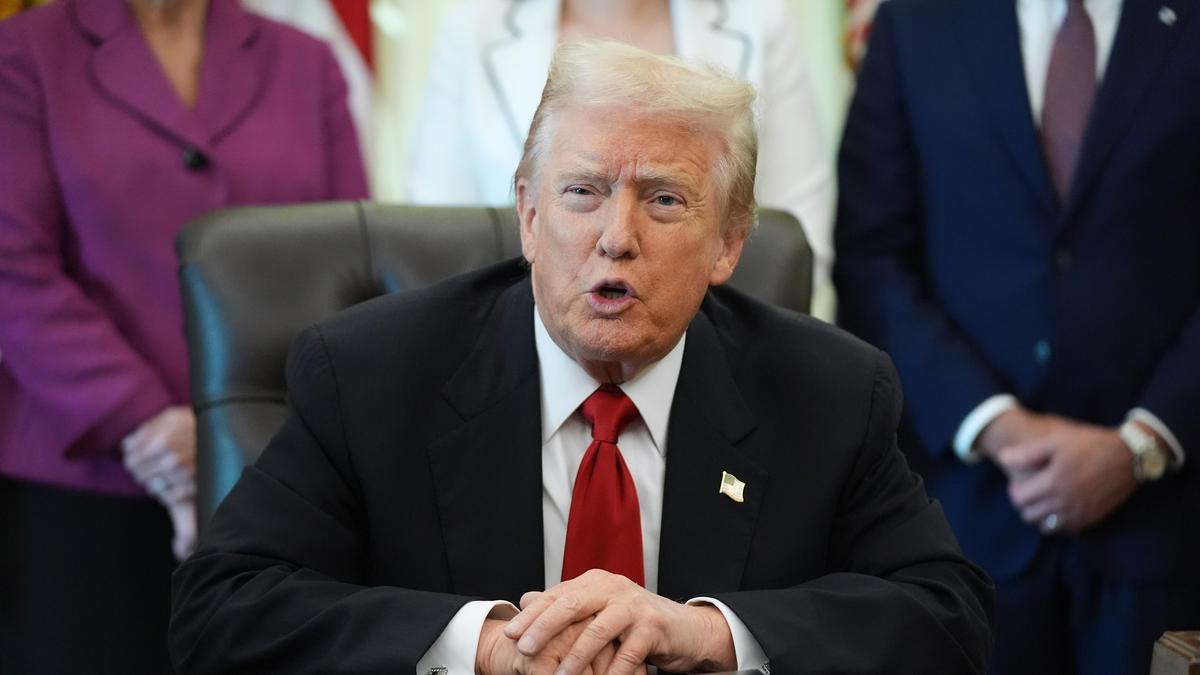

In a significant shift in trade and foreign policy, the United States has pulled back from the brink of a major economic standoff. As per reports, US President Donald Trump has signed an executive order suspending potential 100% tariffs targeting India, China, and other major buyers of Russian oil.
The developments offer immediate, albeit temporary, relief to major Asian economies that faced immense pressure over their ongoing energy imports from Moscow.
Background on the Tariff Threat and the Graham Act
The looming economic penalties trace back to legislative frameworks and trade measures designed to penalize nations bypassing Western sanctions. India, alongside China, faced the threat of a 100% tariff imposed by the United States, allegedly over its continued imports of Russian oil.
The broader trade pressure was tied to provisions under the Graham Act. Originally, the legal framework empowered the administration to act swiftly against nations sustaining energy trade with Russia, setting an initial timeline that compelled market watchers to brace for severe trade escalations by October 18, 2026.
Strategic Diplomatic Relief for India and China
The decision to waive these trade penalties provides crucial breathing room for New Delhi and Beijing. As per reports the suspension serves as a major relief measure for India, arriving just ahead of a high-profile visit by Marco Rubio.
By acting on presidential instructions, the Office of the United States Trade Representative (USTR) suspended the punitive measures, softening the immediate economic friction between Washington and its vital Indo-Pacific partners. While the 100% tariff threat has been put on hold, analysts note that the administration has deliberately retained the legal and structural option to reinstate these penalties later if energy purchasing patterns change.