
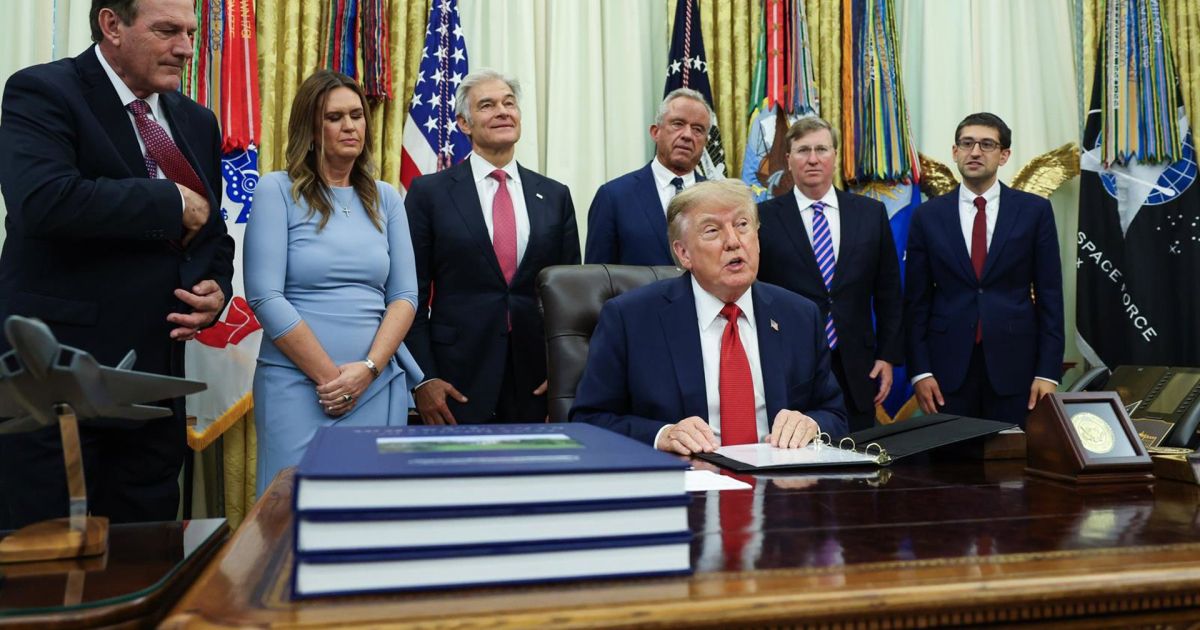

As of today, the geopolitical landscape of global energy trade faces a dramatic escalation. US President Donald Trump has officially signed a sweeping new sanctions law targeting Russia and Iran. Beyond traditional economic penalties, the legislation grants the executive branch extraordinary leverage, opening the door to impose tariffs of up to 100% on major international buyers of Russian oil and gas.
The 100% Tariff Threat on Major Importers
The core mechanism of the newly enacted legislation introduces severe secondary pressure tools. According to reports, the law specifically empowers Washington to levy steep punitive tariffs reaching 100 percent.
The primary targets of this legislative leverage are major economies heavily reliant on discounted energy imports. The framework explicitly places nations like India and China squarely in the crosshairs for their ongoing purchase of Russian petroleum products.
Legislative Scope and Geopolitical Fallout
The newly signed statute forms part of a broader, aggressive legislative push combining restrictions on both Moscow and Tehran. The law imposes tough new compliance frameworks designed to choke off revenue streams supporting foreign military campaigns.
By tying energy procurement directly to severe trade penalties, the United States is attempting to force a structural decoupling between major Asian importers and Russian energy markets.
Strategic Implications for Global Trade
While the law immediately establishes the legal framework for maximum punitive tariffs, the full extent of its enforcement remains to be seen. Major consumer nations have historically balanced strategic autonomy with diplomatic pressures, but a 100% tariff threshold represents an unprecedented level of trade interference.