
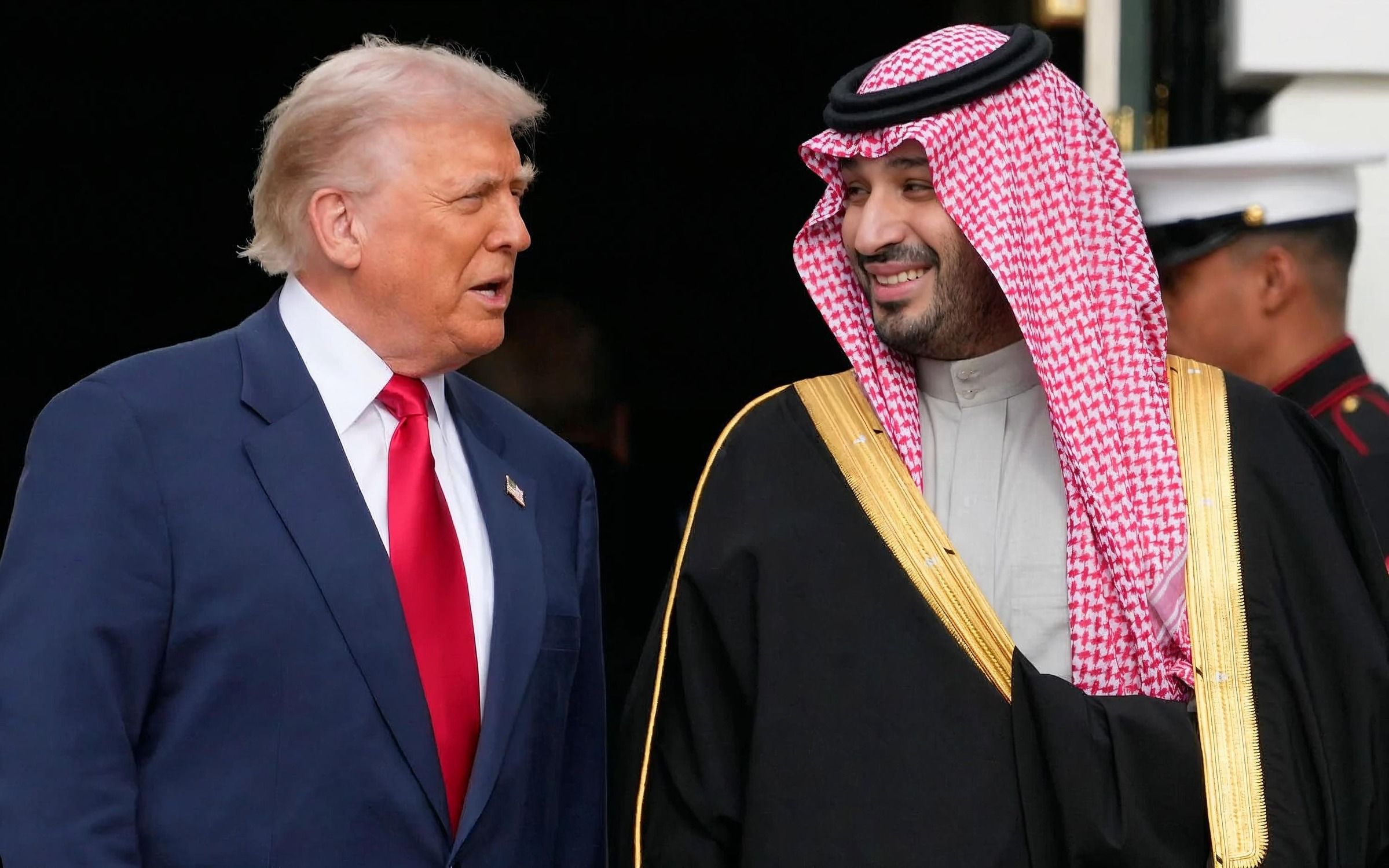

In a move that has sent shockwaves through the international diplomatic community, U.S. President Donald Trump has officially approved a landmark nuclear cooperation agreement with Saudi Arabia. As of today, July 23, 2026, the global community is grappling with the implications of this 30-year pact, which reportedly includes provisions that could allow the Kingdom to enrich uranium, a capability that has long been a red line in international non-proliferation efforts.
The 30-Year Pact and Enrichment Rights
According to reports, the agreement is structured as a 30-year nuclear pact. The deal is noted for its potential to allow Saudi Arabia to enrich uranium on its own soil. This is a significant departure from the standard "Section 123" agreements typically sought by the United States, which generally require partner nations to forgo enrichment and reprocessing to prevent the creation of fissile material for nuclear weapons.
The approval, which was reported late yesterday, marks a major shift in the strategic relationship between Washington and Riyadh. This landmark deal is expected to define the energy and security landscape of the Middle East for the next three decades.
Minimal Safety Mechanisms and Oversight
One of the most concerning aspects of the agreement involves the safeguards attached to it. President Trump approved the deal with "minimal safety mechanisms." This lack of robust oversight has triggered fresh concerns among nuclear watchdogs and international analysts.
Non-proliferation experts argue that without the "Gold Standard" of safety protocols, there is no guarantee that the technology and materials provided will remain purely for civilian energy purposes. The absence of stringent mechanisms traditionally used to monitor enrichment activities has led to a heated debate over whether the U.S. is effectively lowering the bar for nuclear security in the region.
Regional Implications and Proliferation Concerns
The geopolitical fallout of this decision is already being felt. The move has raised questions about whether the administration is "quietly gifting" the Kingdom a future nuclear bomb. The concern is that by "opening the door" to uranium enrichment, the deal could ignite a nuclear arms race in the Middle East.
If Saudi Arabia is permitted to develop enrichment capabilities, regional rivals may feel compelled to seek similar nuclear parity. This potential for "cascading proliferation" is at the heart of the current international alarm. While the administration frames the deal as a necessary step for energy cooperation, the strategic balance of the region remains precarious.